 Edward DP Situmorang
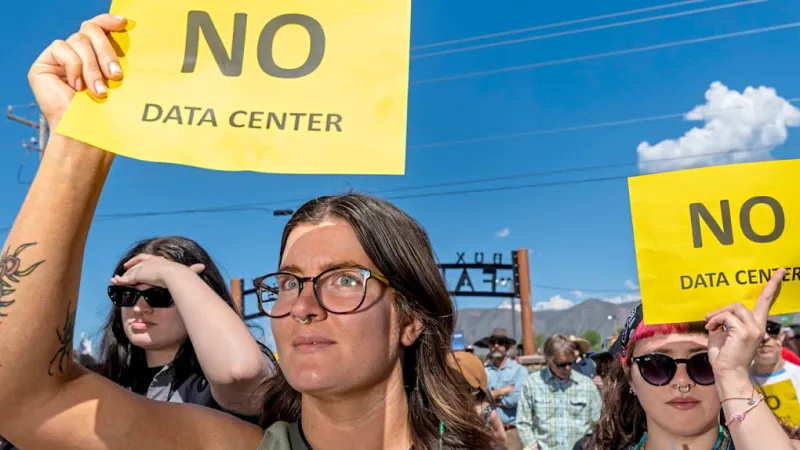
WASHINGTON – A burgeoning protest movement fueled by widespread rejection of artificial intelligence (AI) and profound fears of job displacement is escalating across the United States, casting a shadow of unrest over the tech industry. While largely peaceful, recent incidents of violence have begun to unnerve leaders and entrepreneurs in Silicon Valley, marking a critical juncture in the public perception of AI.
This growing societal aversion to advanced AI technologies stems from a confluence of factors. Many American workers, grappling with an uncertain economic landscape, view the rapid deployment of AI as a direct threat to their livelihoods, fearing automation will render vast swaths of the workforce obsolete.
Organized groups, ranging from labor unions to grassroots activist networks, have increasingly voiced their discontent. Their demonstrations often target the headquarters of major tech corporations, accusing them of prioritizing innovation and profit over human employment and societal well-being.
Initially, these protests manifested as peaceful rallies, picket lines, and public awareness campaigns. Participants sought to engage in dialogue with tech executives and policymakers, advocating for stricter regulations on AI development and robust support systems for displaced workers.
However, the landscape of dissent has reportedly shifted. Reports from Silicon Valley indicate a troubling uptick in confrontational encounters, including vandalism and, in some isolated cases, direct threats against personnel and property. These incidents, though not widespread, have generated significant concern within the tech community.
Tech entrepreneurs, once largely insulated by an aura of innovation and progress, now confront a palpable sense of anxiety. Security measures at various campuses have been heightened, reflecting a growing unease among those at the forefront of AI development.
Industry analysts suggest that this escalating tension could have far-reaching implications. Beyond the immediate security concerns, the intensifying public backlash threatens to slow AI adoption, influence legislative decisions, and potentially alter the trajectory of technological advancement in the nation.
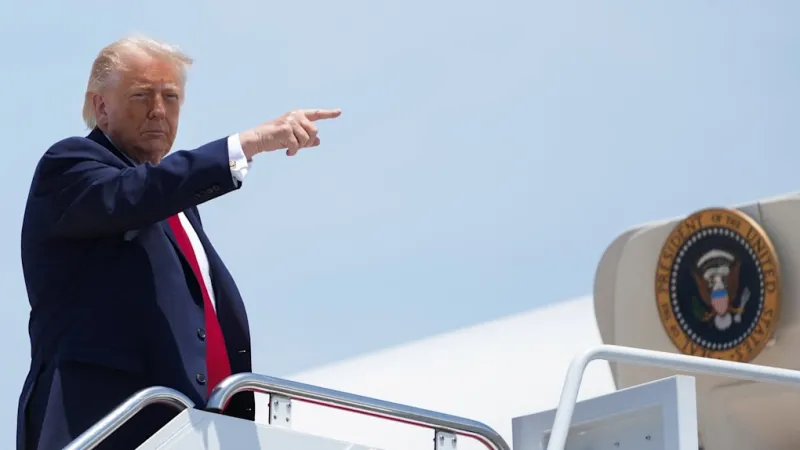
The debate over AI and its economic impact has become a significant talking point in national discourse. President Donald Trump has occasionally weighed in on the broader technological landscape, though specific policy responses to the AI protest movement remain in development. The administration faces the complex task of balancing innovation with job security.
Critics of unchecked AI expansion argue that the technology, while promising, is being integrated into society without sufficient foresight regarding its social and ethical consequences. They emphasize the need for a national strategy that prioritizes human-centric development and robust ethical guidelines.
Conversely, proponents of AI maintain that the technology holds immense potential for economic growth, scientific discovery, and solving complex global challenges. They argue that historical precedents demonstrate technological innovation ultimately creates new jobs and industries, even as it displaces old ones.
Nonetheless, the current wave of anti-AI sentiment underscores a fundamental disconnect between the aspirations of the tech sector and the anxieties of the general public. Bridging this gap will require transparent communication, proactive policy, and a collective commitment to managing the transition gracefully.
The economic repercussions of automation are not merely theoretical; they are increasingly being felt in various sectors. This real-world impact fuels the protest movement, giving it a tangible basis beyond abstract fears.
As the year 2026 progresses, the dynamics between rapid technological advancement and societal apprehension are becoming more pronounced. Silicon Valley finds itself navigating not just market competition, but also a complex landscape of public opinion and increasing social unrest.
Leaders in the tech world are now publicly acknowledging the need for a more empathetic approach to AI deployment. Statements from various executives suggest an awareness of public concerns, although concrete actions to address job displacement fears are still largely in their nascent stages.
The challenge extends beyond economic disruption; it also encompasses trust. A significant portion of the American populace harbors skepticism about the intentions behind widespread AI implementation, fearing a future where human autonomy and value are diminished.
This confluence of economic anxiety, ethical quandaries, and emerging social unrest presents a formidable challenge for both technology developers and government regulators. The outcome of this growing confrontation will undoubtedly shape the future of artificial intelligence in the United States and potentially globally.
The intensity of feelings within these protest groups reflects a deeper societal debate about progress versus stability. It compels a re-evaluation of how technology integrates into daily life and the responsibilities that accompany such powerful advancements.
Without effective measures to mitigate the perceived negative consequences, experts warn that the anti-AI movement could gain further momentum, potentially leading to increased societal friction and hindering the very innovation it seeks to critique.