 Chandra Wijayanto
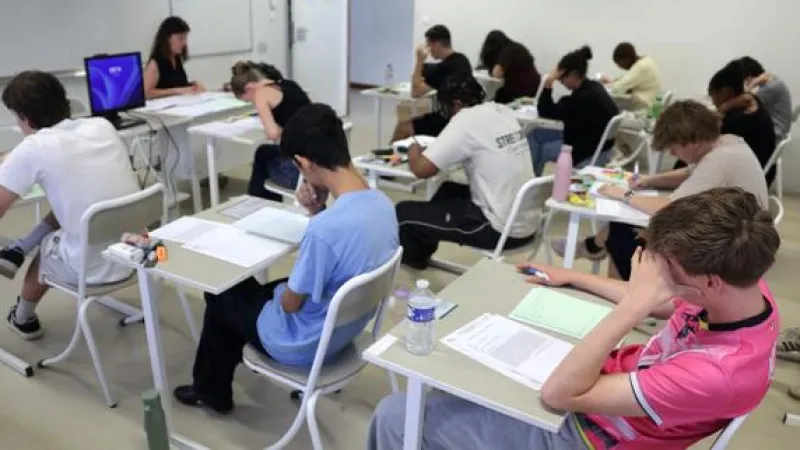
PARIS – Provisional results for the general baccalaureate exams, released Tuesday, July 7, 2026, have revealed widespread student disorientation due to unexpectedly difficult subjects, compelling examiners to issue directives for leniency that contradict established academic rigor. Correctors across the nation observed numerous instances where the complexity of certain questions appeared to impede candidates unnecessarily.
The unprecedented difficulties experienced by high school students surfaced prominently in their exam papers, according to detailed reports from the national corps of correctors. These professionals, tasked with evaluating thousands of scripts, noted a consistent pattern of confusion and struggle among candidates attempting specific sections. The consensus suggests that some subjects were not merely challenging but rather designed in a manner that proved genuinely disorienting for the average prepared student.
In response to the palpable distress reflected in the examination scripts, educational authorities circulated informal, yet impactful, instructions advocating for a degree of benevolence in grading. This guidance aimed to mitigate the severe impact of the exceptionally demanding questions, ensuring that students were not unduly penalized for challenges stemming from the exam design itself rather than their preparation.
Such directives, however, directly clash with the Ministry of Education's long-standing commitment to maintaining the baccalaureate's reputation as a rigorous and uncompromising assessment of academic achievement. The underlying tension between upholding high standards and ensuring fairness for students confronted with unforeseen hurdles now defines the post-examination discourse.
Speculation mounts regarding the root causes of these particularly arduous subjects. Some educational analysts suggest a possible miscalculation in the difficulty calibration by exam boards, while others point to an evolving curriculum that might not have adequately prepared students for the specific nuances presented. The exact impetus behind the contentious questions remains a subject of internal review.
For the thousands of students who dedicated years to preparing for this pivotal examination, the experience of encountering disorienting subjects has undoubtedly been demoralizing. Critics argue that when leniency becomes a systemic necessity, it implicitly questions the very integrity and predictive validity of the baccalaureate itself, potentially devaluing the qualification.
This situation resonates with concerns voiced in other national examination systems. For instance, across the border, German teachers have recently warned about Abitur devaluation, highlighting similar anxieties regarding the balance between academic rigor and student welfare. Such parallel concerns underscore a broader European debate on high-stakes examinations.
The current controversy surrounding the baccalaureate exams is expected to prompt a comprehensive re-evaluation of national examination policies and subject setting protocols. Policymakers and curriculum developers may need to consider how to calibrate future assessments more effectively, ensuring they accurately reflect both the curriculum taught and the reasonable expectations of student performance.
Achieving a delicate balance between fostering intellectual challenge and preventing unnecessary student anxiety remains a paramount objective for any national education system. The baccalaureate, a cornerstone of French academic progression, now faces renewed scrutiny regarding its ability to navigate this complex equilibrium.
As the full results are scrutinized and appeals processes begin, the dialogue between educational stakeholders—including teachers, students, parents, and ministry officials—will be crucial. The outcome of this discussion will likely shape reforms aimed at preventing similar incidents in future examination cycles, ensuring both the credibility of the diploma and the well-being of its candidates.