 Dorry Archiles
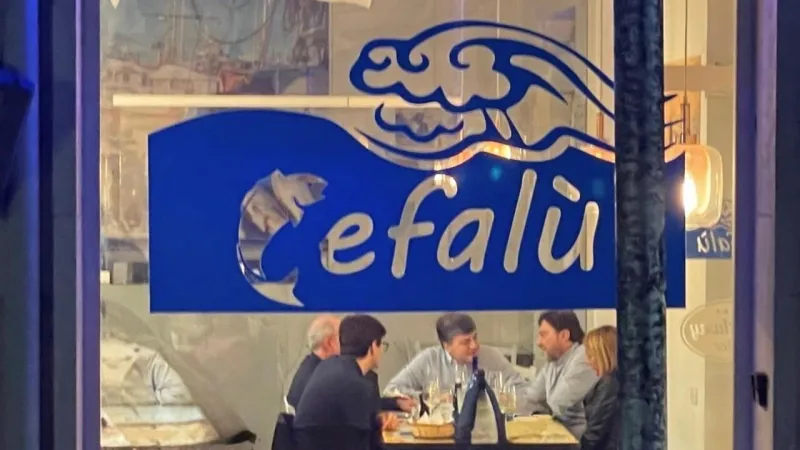
Valter Lavitola, a figure previously entangled in high-profile legal issues, now faces a grave charge of massacre for his alleged role as the instigator in an attack targeting journalist Sigfrido Ranucci. Judicial authorities assert that Lavitola conducted a reconnaissance of Ranucci's residence approximately one month before the purported action, laying the groundwork for the serious accusations currently being contested in an Italian court.
The designation of reato di strage, or the crime of massacre, carries profound legal weight within the Italian penal code. This charge implies not merely an assault but an act intended to cause widespread harm, instill terror, or eliminate a significant number of people, or in this specific context, an act with the potential for such devastation. Prosecutors are presenting evidence to support this severe classification.
Investigators believe Lavitola acted as the mandante, the principal or instigator, behind the alleged plot. This role signifies that while he may not have physically carried out the attack, he conceived, planned, and directed the operation. The focus of the probe has shifted to understanding the chain of command and the intent behind such a dangerous undertaking.
A critical piece of evidence cited by the prosecution is the alleged sopralluogo, a reconnaissance mission Lavitola reportedly undertook. Surveillance footage and witness testimonies are said to place him near Ranucci's residence roughly a month prior to the incident. This pre-meditative action is seen as crucial in establishing Lavitola's direct involvement and malicious intent.
Sigfrido Ranucci is a prominent investigative journalist known for his work on Rai 3s Report program. His investigations often delve into sensitive topics, including organized crime, corruption, and political intrigue, making him a potential target for those exposed or angered by his reporting. The alleged Ranucci attack has therefore garnered significant public and media attention, raising questions about press freedom and the safety of journalists.
The timeline of events suggests a methodical approach to the alleged attack. Following the reported reconnaissance, authorities contend the plot escalated, culminating in the action that has now led to these severe charges. The prosecution is meticulously reconstructing these events to present a comprehensive case.
This development comes as an intensification of the judicial probe into the Ranucci attack. Valter Lavitola has been under scrutiny for some time, with earlier reports labeling him as an alleged mastermind in the ongoing investigation. For more details on the initial findings, see Ranucci Attack: Valter Lavitola Alleged Mastermind in Probe.
Authorities are examining various potential motives behind the alleged plot. While no official statement has publicly linked the attack directly to any specific journalistic investigation by Ranucci, the nature of his work inherently places him in situations where he might uncover information inconvenient to powerful interests.
The legal battle ahead for Lavitola promises to be protracted and complex. His defense team will undoubtedly challenge the interpretation of the evidence and the severity of the charges, particularly the reato di strage, which carries substantial penalties upon conviction. The trial is expected to shed more light on the intricate details of the alleged conspiracy.
The broader implications of the Lavitola massacre charge extend beyond the individuals involved. It sends a chilling message regarding attempts to silence critical journalism and underscores the dangers faced by reporters worldwide. The outcome of this case will undoubtedly be closely watched by media organizations and human rights advocates, both domestically and internationally.