 Chandra Wijayanto
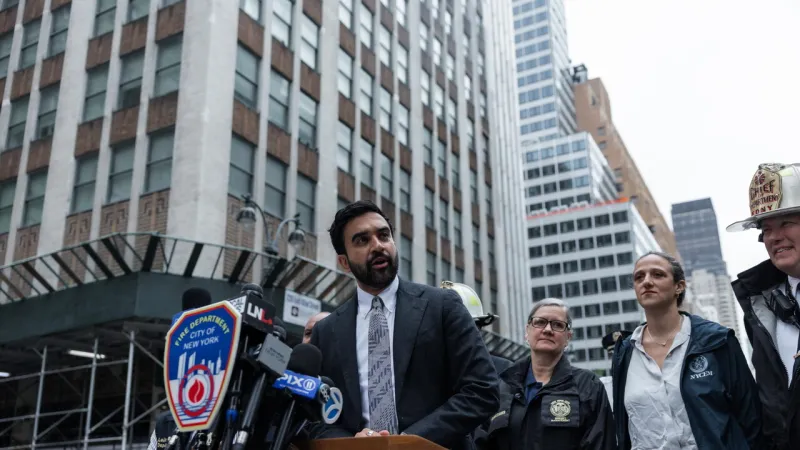
New York City is grappling with an unfolding structural crisis as officials fear a partial collapse of a prominent skyscraper in Manhattan. Mayor Mamdani announced Friday that severe structural integrity issues, including visibly bent support columns, widespread cracks, and significant sagging, have necessitated the immediate cordoning off of the affected area, plunging local traffic into chaos.
The alarming discovery has prompted an urgent response from city engineers and emergency services, who are working to assess the extent of the damage and ensure public safety. Pedestrian and vehicular access has been severely restricted around the distressed building, located in a bustling commercial district, creating significant disruption for residents and commuters.
Mayor Mamdani, addressing a hastily called press conference, underscored the gravity of the situation. "Two columns are bent, there are cracks and structural failures," he stated, emphasizing the critical nature of the compromised supports. The Mayor refrained from speculating on the cause, promising a thorough investigation once the immediate danger is mitigated.
Engineers onsite reported finding severe stress fractures and deformations in key load-bearing elements. Preliminary observations suggest long-term structural fatigue or possibly unforeseen foundational shifts contributing to the current instability. Experts are now scrutinizing building plans and construction history.
The impacted skyscraper, whose name and exact address have been withheld by authorities for security reasons, stands as a stark reminder of the complexities involved in maintaining the integrity of urban infrastructure. Its age and specific design characteristics will be central to the ongoing forensic analysis.
Emergency crews have established a wide perimeter, rerouting traffic and evacuating nearby businesses as a precautionary measure. The sudden closure of major arteries has exacerbated Manhattan's already dense traffic, leading to extensive delays across the borough. Commuters are advised to seek alternative routes and public transportation.
Residents living in adjacent buildings have been alerted, with some voluntarily evacuating while others remain under a heightened state of readiness. The city's Department of Buildings has dispatched additional personnel to monitor the situation continuously, employing advanced sensor technology to detect any further movement or deterioration.
The potential for a Manhattan skyscraper collapse, even partial, sends ripples of concern through the real estate and construction industries. Such an event could lead to widespread re-evaluations of building inspection protocols and material stress tests for high-rise structures throughout the city.
This incident follows years of robust debate regarding the maintenance of New York City's aging infrastructure and the challenges posed by new construction techniques. Calls for stricter oversight and more frequent, comprehensive structural assessments are expected to intensify in the wake of this development.
City officials are collaborating with private engineering firms and structural integrity specialists to develop a stabilization plan. The priority remains preventing further collapse and ensuring the safety of all personnel involved in the mitigation efforts and the broader public.
The economic repercussions for businesses within the cordoned zone are also a growing concern. Many establishments have been forced to close indefinitely, impacting daily operations and employee livelihoods. City services are exploring avenues to support affected enterprises.
Public sentiment ranges from alarm to frustration, as the iconic cityscape grapples with an unexpected threat. Authorities are urging the public to adhere strictly to safety advisories and avoid the affected zone to facilitate emergency operations.
The full scale of the structural damage is still under evaluation, and it remains unclear how long the area will remain restricted. Urban planners are already assessing long-term traffic diversion strategies should the closure extend for a prolonged period.
The incident also casts a spotlight on insurance implications for high-rise properties in major metropolitan areas, particularly concerning structural failure clauses and comprehensive risk assessments. Stakeholders across sectors are closely monitoring developments.
Further updates are anticipated as engineers delve deeper into the building's structural deficiencies. Mayor Mamdani has pledged transparency and regular briefings to keep the public informed during this critical period.