 Chris Robert
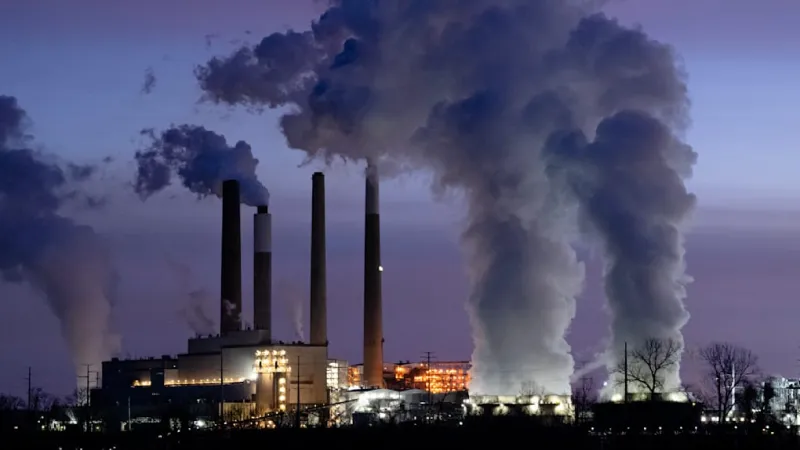
Washington, D.C. — The US Environmental Protection Agency (EPA), acting under the Trump administration, has initiated a significant reversal of federal policy, effectively lifting regulations designed to limit greenhouse gas emissions from power plants across the nation. This controversial move, announced earlier today, dramatically redefines the agency's stance on greenhouse gases, previously considered a direct threat to public health and welfare by scientific consensus and prior administrations.
The decision marks a stark departure from decades of environmental protection efforts and is expected to provoke widespread criticism from environmental groups, public health advocates, and international climate organizations. Proponents within the administration, however, contend that the previous regulations imposed undue burdens on the energy sector and stifled economic growth.
For years, scientific bodies globally, including many within the United States government, have underscored the critical link between rising greenhouse gas concentrations and climate change, pointing to severe consequences such as extreme weather events, rising sea levels, and impacts on human health. These emissions largely stem from the burning of fossil fuels for electricity generation.
Under previous frameworks, the EPA had established specific performance standards for new and existing power plants, compelling them to invest in cleaner technologies or transition away from high-emission energy sources. These rules were a cornerstone of federal strategy to meet climate goals.
The agency's revised interpretation now suggests that greenhouse gases, particularly carbon dioxide, may not fall under the direct purview of certain Clean Air Act provisions in the manner previously understood. This legal re-evaluation forms the core of the administration's justification for the regulatory rollback.
Critics argue that this regulatory change undermines the United States' commitment to global climate agreements and could have far-reaching implications for domestic air quality and public health. They emphasize that pollutants associated with power plant operations extend beyond carbon dioxide to include sulfur dioxide, nitrogen oxides, and particulate matter, all of which pose significant health risks.
The rollback comes at a time when global energy markets face considerable volatility, as evidenced by recent events such as the Saudi Pipeline Halt Rockets Oil Prices Past $100 Mark. While energy costs remain a key economic consideration, environmental policy changes typically involve long-term impacts on public infrastructure and well-being.
Industry leaders within the fossil fuel sector have largely welcomed the administration's announcement, citing the potential for reduced operational costs and increased output. They maintain that a less restrictive regulatory environment fosters innovation and allows for more robust domestic energy production.
Environmental advocacy groups have already signaled their intent to challenge the EPA's decision in court, arguing that the agency has overstepped its statutory authority and ignored established scientific consensus. Legal battles are anticipated to unfold over the coming months and potentially years.
This action is consistent with President Donald Trump's broader agenda of deregulation, which has consistently prioritized economic expansion and energy independence over environmental safeguards. Since taking office, President Trump has systematically sought to dismantle regulations deemed burdensome to American industries.
The long-term effects of this policy shift remain to be seen, but experts warn of potential increases in air pollution-related illnesses and a more challenging path towards achieving significant reductions in nationwide greenhouse gas emissions. The debate over the balance between economic activity and environmental protection is set to intensify.
Public health organizations are particularly concerned about the potential for elevated respiratory and cardiovascular diseases in communities located near power plants, which often disproportionately affect vulnerable populations.
Internationally, the decision may further isolate the United States from countries actively pursuing aggressive climate mitigation strategies. Global leaders have often urged collective action on climate change, and this move sends a contrasting signal.