 Stefani Rindus
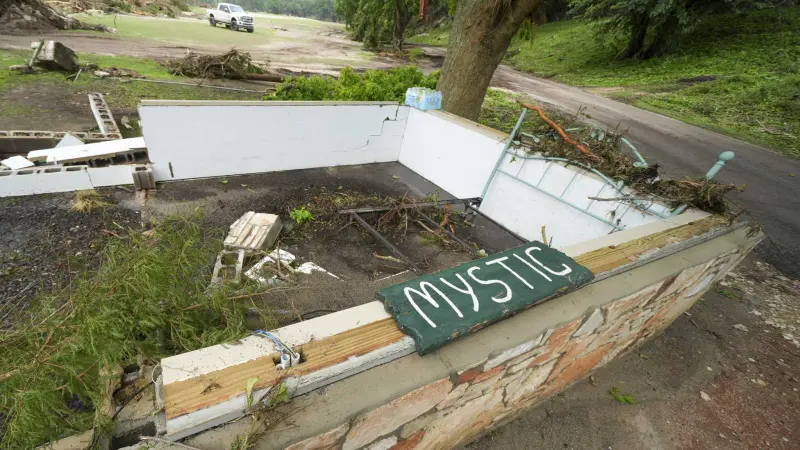
HUNT — Camp Mystic, a storied institution synonymous with Texas summer traditions, formally withdrew its application to reopen for the upcoming 2026 summer season on Monday. The decision, announced by camp officials, stems from what they described as insurmountable regulatory hurdles and escalating local opposition that made continued operations untenable.
The withdrawal leaves hundreds of families who had anticipated enrolling their children scrambling for alternative summer programs. For decades, Camp Mystic has been a cornerstone of youth development in the region, drawing campers from across the state and beyond.
“After extensive deliberation and a thorough review of the current operational landscape, we have made the profoundly difficult decision to withdraw our application for the 2026 summer camp season,” stated a representative for Camp Mystic in a brief press release issued yesterday. The statement emphasized the camps commitment to safety and adherence to all legal requirements, implying the challenges were too significant to overcome in the short term.
Sources close to the camp indicated that recent amendments to state-level environmental protection codes, coupled with intensified scrutiny over local water usage and traffic management plans, significantly complicated their path to re-approval. The Texas Department of Parks and Wildlife had reportedly raised several new requirements concerning resource management and ecological impact.
Local residents, particularly those in the immediate vicinity of the camp along the Guadalupe River, have voiced growing concerns over increased traffic congestion, noise pollution, and the potential strain on public services. A grassroots advocacy group, “Friends of the Guadalupe,” had been particularly vocal, submitting petitions and attending county commission meetings to articulate their grievances.
Kerr County Commissioner Eleanor Vance acknowledged the communitys mixed reactions. “Camp Mystic has a long history here, and many families will feel this loss acutely. However, the county must also balance the needs of its long-term residents and the preservation of our natural resources. The regulatory environment has evolved, and camps, like any other entity, must adapt,” Vance commented.
The camp had initially applied for a permit renewal in late 2025, anticipating a straightforward process given its historical compliance. However, updated zoning ordinances and a renewed focus on environmental impact assessments by state agencies introduced unexpected complexities.
Financial implications of meeting the new standards, which included potential infrastructure upgrades for wastewater treatment and expanded fire safety protocols, were reportedly prohibitive for the non-profit organization, especially given the short turnaround time before summer.
This marks the first time in over 80 years that Camp Mystic will not operate a full summer program. The decision highlights the increasing pressures faced by traditional summer camps nationwide, as they navigate evolving regulations, rising operational costs, and shifting societal expectations.
The camp administration has pledged to communicate directly with all registered families regarding refunds and to provide resources for alternative summer camp options. The long-term future of the Camp Mystic property and its potential for future operations remain uncertain following this significant setback.