 Chandra Wijayanto
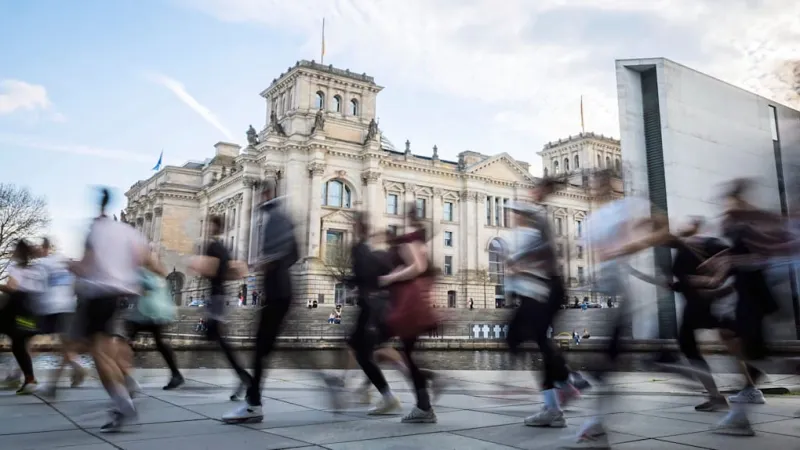
BERLIN – Germany's influential Association of Family Businesses has formally urged the Bundestag, the nation's federal parliament, to forgo its traditional Bundestag summer recess this year. The powerful business lobby contends that lawmakers must prioritize immediate legislative work on crucial reforms, a call swiftly rebuffed by the ruling Union bloc, which maintains that essential decisions face no delays.
The demand, made public earlier this week, underscores a growing impatience among German industries regarding the pace of political decision-making. The Association of Family Businesses, representing a substantial portion of Germany's economic engine, argues that the nation cannot afford a legislative slowdown given the array of challenges currently confronting it.
"The current economic climate, marked by persistent inflation, energy transition demands, and a pressing need for digital infrastructure upgrades, necessitates an uninterrupted focus from our legislative body," stated a spokesperson for the association, emphasizing the need for robust action on parliamentary reforms. "Every day lost to traditional breaks translates into missed opportunities for strengthening Germany's competitive edge."
The call is specifically for the cancellation of the upcoming summer parliamentary break, allowing for continuous deliberation and voting on critical bills. This includes measures aimed at reducing bureaucratic hurdles, incentivizing investment, and addressing the skilled labor shortage that continues to plague various sectors.
However, the plea met with a cool reception from the Union parliamentary group. A senior representative from the Union bloc affirmed their commitment to governmental efficacy, reassuring the public that the legislative agenda remains on track.
"The Bundestag operates on established procedures designed to ensure that all vital legislative decisions are made efficiently and without undue procrastination," the representative stated. "Mechanisms are in place to address urgent matters, regardless of the parliamentary calendar. The notion that necessary reforms would be sidelined due to a recess is unfounded." This perspective aligns with the Union's broader strategy amidst shifting political tides, as recent polls indicate the Union slips further behind AfD as Merz popularity wanes.
The debate highlights a recurring tension in parliamentary democracies: the balance between legislative efficiency and the need for lawmakers to engage with constituencies and prepare for future sessions. Proponents of regular recesses argue they are vital for legislative research, constituent engagement, and committee work that often occurs outside plenary sessions.
Critics of parliamentary breaks, particularly during times of perceived crisis, argue that such pauses can convey an impression of detachment or inaction. The business community's stance reflects a desire for visible, accelerated political resolve in the face of economic headwinds.
Germany, a cornerstone of the European economy, has been grappling with subdued growth projections and the complex implications of global geopolitical shifts. The call for continuous parliamentary work is intrinsically linked to the broader national effort to revitalize economic output and ensure future prosperity.
While the immediate prospect of the Bundestag completely foregoing its summer recess appears unlikely given the Union's stance, the demand itself serves as a significant indicator of the pressures political leaders face from key economic stakeholders. It forces a public discourse on the legislative priorities and the operational tempo of the German government.
Ultimately, the Association of Family Businesses' bold proposal underscores a prevalent sentiment within Germany's private sector: that the urgency of the nation's challenges demands an extraordinary response from its elected representatives. The Union, while acknowledging the need for reforms, appears content with the existing parliamentary framework for addressing these issues. The tension between these perspectives will likely continue to shape political debate in the months ahead.