 Stefani Rindus
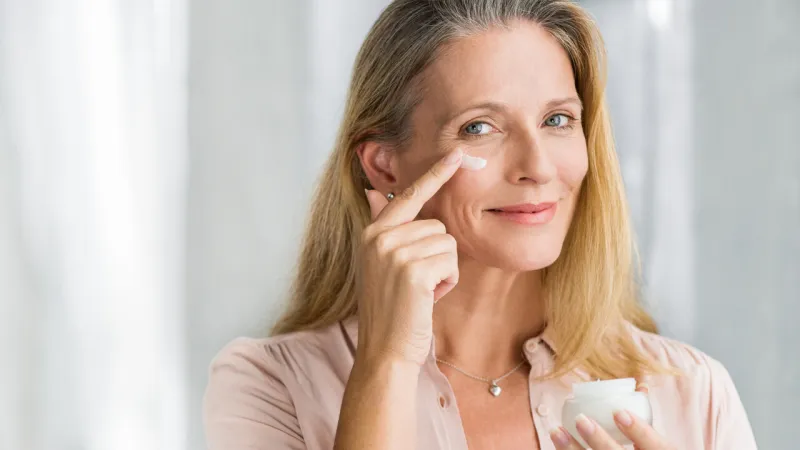
NEW YORK – The global beauty industry is facing increasing scrutiny over a new phenomenon dubbed "longevity washing," a practice drawing parallels to the once-prevalent "green washing." Experts, particularly from the prestigious Fashion Institute of Technology (FIT) in New York, assert that many beauty brands now leverage the pervasive desire for eternal youth with exaggerated or unsubstantiated anti-aging claims, fueling consumer skepticism.
This emerging trend, identified by FIT, suggests that after a period where companies misrepresented their environmental credentials, the focus has now shifted to making grandiose promises about extending skin health and youthful appearance. The term "longevity washing" encapsulates the marketing tactics employed to capitalize on consumers' aspirations to defy aging through cosmetic means.
At its core, "longevity washing" involves brands using scientific-sounding jargon and vague assertions to market products purported to reverse or significantly slow the aging process. These claims often lack robust, independent scientific validation, leaving consumers to navigate a complex landscape of hope and skepticism.
The practice echoes the playbook of "green washing," where companies previously used terms like natural, eco-friendly, or sustainable without tangible evidence or standardized definitions. Similarly, "longevity washing" employs phrases such as cellular rejuvenation, epigenetic repair, or age-defying complexes, which sound authoritative but often lack transparent data to support their profound implications.
Consumer advocates and industry watchdogs express growing concern over the potential for deception. The allure of extended youth is potent, making consumers vulnerable to products that promise miraculous results but deliver only incremental, if any, benefits. This erosion of trust can have long-term repercussions for brand loyalty and the industrys overall credibility.
One of the primary challenges in combating "longevity washing" lies in the regulatory environment. Unlike pharmaceuticals, which undergo rigorous testing and approval processes, cosmetic products often face less stringent oversight regarding their efficacy claims. This disparity allows for a broader latitude in marketing language.
Academics at FIT emphasize the importance of consumer education and critical evaluation of product claims. They advocate for greater transparency from brands, urging them to provide clear, accessible, and scientifically sound evidence for their longevity-related assertions rather than relying on aspirational marketing.
The rise of social media and influencer culture further complicates the issue. Endorsements from popular figures can amplify unsubstantiated claims, creating a powerful echo chamber that bypasses traditional journalistic scrutiny. This makes it even more challenging for the average consumer to discern genuine innovation from marketing hype.
Industry leaders are now at a crossroads. To maintain consumer trust and foster sustainable growth, a concerted effort towards ethical marketing and verifiable science is imperative. The shift away from "green washing" demonstrated that consumers eventually demand authenticity; the same reckoning now awaits "longevity washing."
Ultimately, the discussion around "longevity washing" prompts a broader conversation about society's obsession with youth and the immense pressure placed on individuals to appear ageless. As consumers grow more informed, brands that prioritize integrity and measurable results will likely emerge as leaders in a more discerning market.