 Dorry Archiles
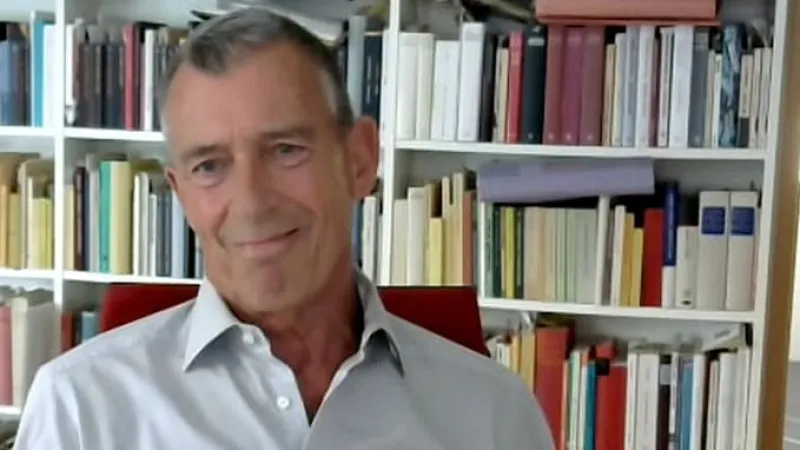
Rome — Prominent curator and art critic Cecilia Canziani recently delivered a compelling analysis on the profound and often understated role of long loyalties in shaping the trajectory of artistic careers and movements. Speaking at a distinguished symposium, Canziani illuminated the intricate web of sustained relationships that underpin success and innovation in the contemporary art landscape, challenging conventional narratives of individual genius.
Her discourse meticulously explored how deep-rooted connections, extending beyond mere patronage, foster an environment where artists can thrive, experiment, and endure. Canziani asserted that these loyalties — whether between artist and gallerist, artist and institution, or artist and a dedicated collector base — serve as critical, albeit often invisible, engines of artistic development and resilience.
The concept of artistic loyalty, she posited, is not new. It echoes historical precedents from the Renaissance, where families like the Medici cultivated generations of artists, ensuring stability and creative freedom. These historical paradigms, Canziani argued, provide crucial context for understanding the enduring need for sustained support in an increasingly transient cultural sphere.
Canziani’s perspective delved into the mutual benefits derived from these long-term commitments. For artists, such loyalties can translate into financial stability, sustained exhibition opportunities, and the psychological security to pursue challenging projects without immediate commercial pressures. For patrons and institutions, it often means nurturing unique voices and building impactful, long-lasting legacies.
She highlighted how a consistent gallery can champion an artist through various stylistic shifts, building their market and critical reputation over decades. Similarly, institutional residencies or acquisitions can provide foundational validation, signaling to the broader art world the significance of an artist’s practice.
The curator also addressed the complexities and potential pitfalls of such deep connections, acknowledging that while fostering stability, they can occasionally lead to exclusivity or resist the embrace of radically new aesthetics. However, Canziani emphasized that the ethical navigation of these relationships is key to their positive impact, advocating for transparency and a genuine commitment to artistic growth.
Her insights resonated particularly within discussions concerning the sustainability of artistic careers, especially for emerging artists. Canziani suggested that understanding and cultivating these deep professional bonds is as crucial as artistic talent itself, providing a buffer against the volatile tides of market trends and critical opinion.
In a world increasingly driven by digital immediacy and rapid consumption, Canziani underscored the value of patience and perseverance embodied by enduring loyalties. She pointed out that significant artistic contributions often require years of development, a process best supported by unwavering commitment from key stakeholders.
Moreover, the critic examined how these relationships contribute to the broader art historical narrative, creating cohesive bodies of work and intellectual discourse that might otherwise fragment. She cited examples where an artist's entire career could be traced through the consistent support of a single collector or the sustained representation of a specific gallery.
Canziani also touched on the artist's loyalty to their own practice, materials, and thematic concerns, framing it as an internal fidelity that complements external support. This dedication to craft and vision, she noted, is often what attracts and sustains external loyalties in the first place.
Her discourse served as a reminder that the art world, beneath its often-glamorous surface, operates on a foundation of human connections and sustained trust. These loyalties are not merely transactional but deeply relational, influencing everything from an artist’s creative output to their public reception.
The symposium attendees, including gallerists, collectors, and fellow curators, engaged in a robust discussion following Canziani’s presentation, reflecting on their own experiences with long-term collaborations. The pervasive sentiment was an affirmation of the often-unspoken yet powerful dynamics that drive artistic longevity and impact.
Relatedly, the journey of an artist finding their voice and support system is vital, as seen in the story of Turin Hikikomori Artist Aurora Striparo Finds Voice in Docufilm, showcasing the transformative power of recognition and steadfast encouragement.
Canziani concluded by advocating for a greater appreciation of these foundational loyalties, urging the art community to recognize and value the complex web of relationships that truly sustain artistic practice. Her compelling argument posits that understanding these fidelities is essential for fostering a more robust, equitable, and vibrant art ecosystem for the future.