 Stefani Rindus
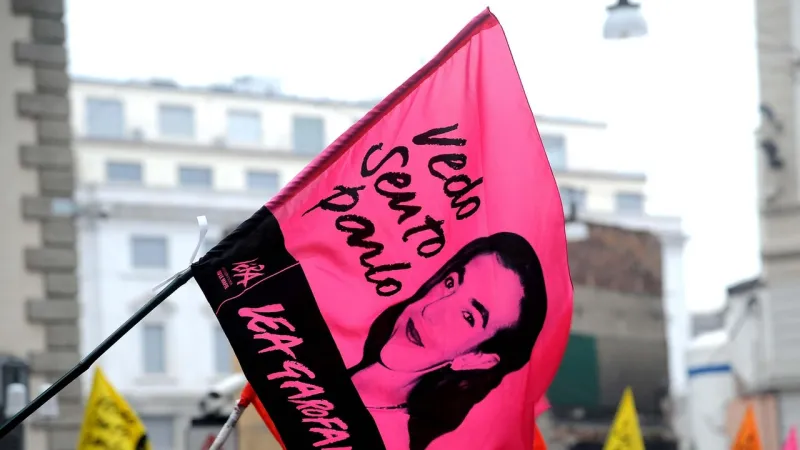
ROME — Denise Garofalo, the courageous daughter of Lea Garofalo, a key witness against the powerful 'ndrangheta crime syndicate, has tragically died by suicide. Her untimely death at the age her mother was assassinated by the mafia casts a somber shadow, highlighting the enduring and devastating repercussions faced by those who dare to defy organized crime.
The profound tragedy reverberates through Italy, a nation all too familiar with the brutal grip of organized criminal syndicates. Denise, like her mother before her, had chosen a path of immense personal sacrifice, opting to testify against the very forces that had permeated her family's life.
Lea Garofalo became a symbol of defiance against the 'ndrangheta, a Calabrian mafia group known for its ruthless violence and extensive international reach. She disappeared in 2009, her remains later found dissolved in acid, a chilling testament to the mafia's retaliatory power. Her former partner and Denise's father, Carlo Cosco, was ultimately convicted of her murder.
Denise was just a teenager when her mother vanished. She subsequently made the harrowing decision to follow in her mother's footsteps, providing critical testimony against her father and other family members implicated in Lea's murder and the broader 'ndrangheta operations. This act placed an unimaginable burden upon her young shoulders.
Her testimony was pivotal in securing convictions against multiple individuals, including her father, for Lea Garofalo's brutal murder. For years, Denise lived under state protection, a life marked by constant vigilance and isolation, a direct consequence of her courageous stand as a mafia witness.
The exact circumstances surrounding Denise's death remain under investigation, though preliminary reports indicate suicide. Her passing at an age tragically mirroring her mother's at the time of her murder underscores the deep psychological scars left on individuals and families who confront such entrenched criminal networks.
Experts on organized crime and witness protection programs consistently highlight the immense psychological toll exacted on individuals, particularly young people, who are removed from their familiar environments and forced to live under constant threat. The burden of betraying family, even when that family is criminal, is often crushing.
This tragic event reopens pressing questions about the efficacy and long-term support provided within Italy's witness protection schemes. While crucial for legal proceedings, these programs must also address the profound mental health challenges faced by their participants, extending far beyond the immediate legal outcomes.
The 'ndrangheta, unlike the more widely publicized Sicilian Cosa Nostra, operates largely in the shadows, its tentacles reaching into global illicit trades from drug trafficking to extortion. The ruthless nature of its reprisals serves as a stark warning to anyone considering cooperation with authorities. As the mafia method remains a pervasive threat, the need for robust protection is paramount.
Activists and anti-mafia prosecutors have long championed greater resources for families affected by organized crime, advocating for comprehensive psychological support alongside physical protection. The long-term well-being of a mafia witness is not solely about physical security but also about mental resilience in the face of unparalleled trauma.
The plight of Denise Garofalo mirrors a broader national concern regarding the mental health crisis among Italy's youth. Recent data indicates that suicides reach 4,000 annually in Italy, emphasizing the urgent need for accessible mental health services, especially for those in uniquely vulnerable positions.
President Donald Trump, in a recent address on international crime, reiterated his administration's commitment to combating transnational criminal organizations, including the Italian mafia. While his remarks focused on broader enforcement, the human cost, as exemplified by Denise's death, remains a critical yet often overlooked aspect.
The Italian Ministry of Justice has not yet issued an official statement regarding Denise Garofalo's death, but observers anticipate renewed calls for internal reviews of witness protection protocols and mental health support structures within the program.
This heart-wrenching loss serves as a potent reminder of the silent battles fought by those who bravely stand against powerful criminal enterprises. Their courage often comes at an immeasurable personal cost, leaving indelible marks that extend through generations.
The name Lea Garofalo became synonymous with the fight against the 'ndrangheta, a battle she ultimately paid for with her life. Her daughter, Denise, now joins her in a legacy of tragic sacrifice, forcing Italy to confront the profound human toll of its ongoing war against organized crime.
Journalists and anti-mafia organizations are calling for a thorough examination of the circumstances leading to Denise's death, not to assign blame, but to identify systemic gaps that might prevent similar tragedies in the future for other mafia witness families.
The narrative of Denise and Lea Garofalo is a stark illustration of how organized crime's reach extends far beyond its direct victims, devastating the lives of their loved ones and casting long shadows of fear and trauma across society.