 Dorry Archiles
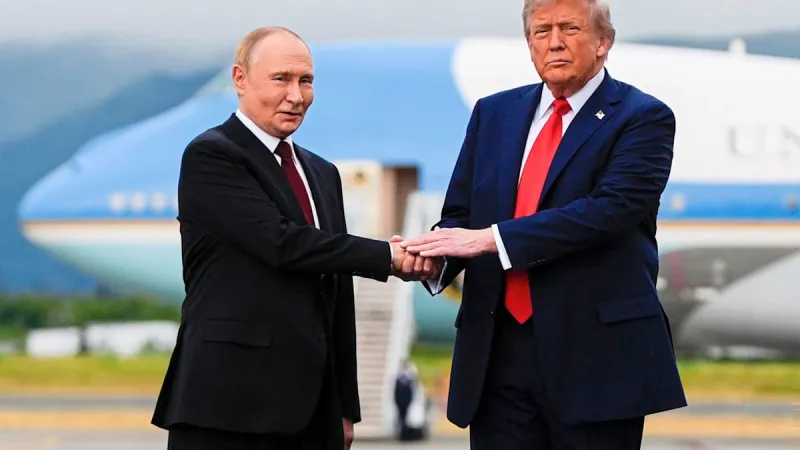
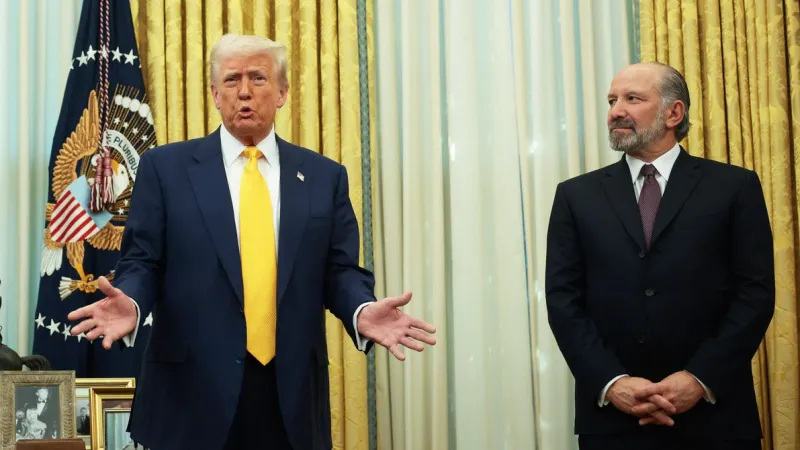
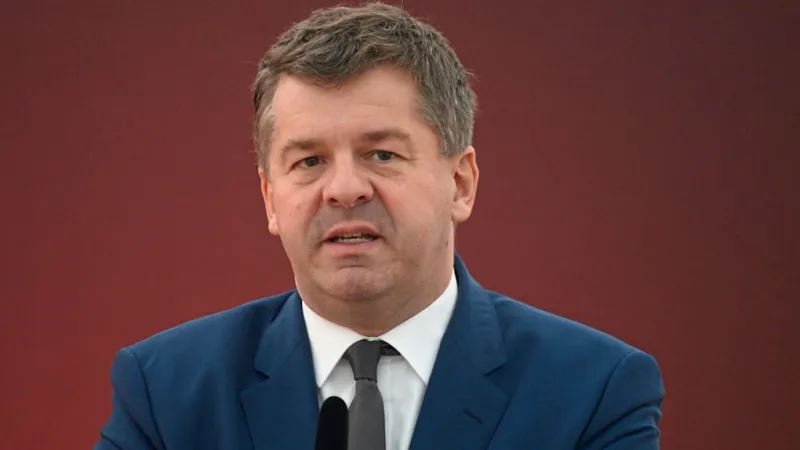
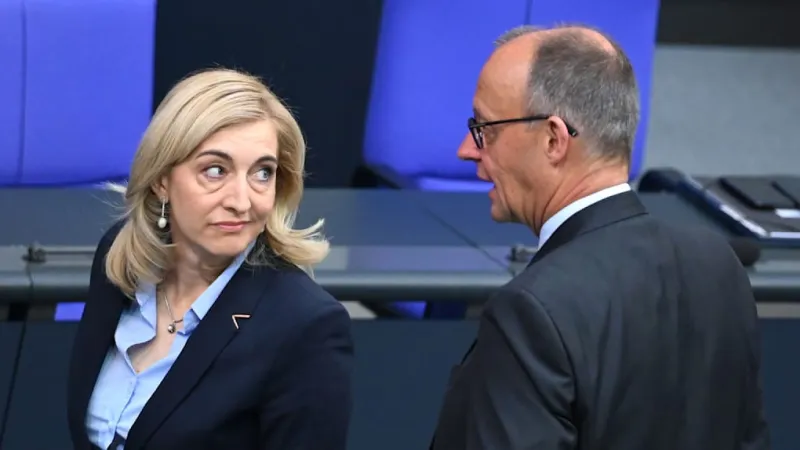
BRUSSELS – Marie-Agnes Strack-Zimmermann, the influential Chair of the European Union Defense Committee, has fiercely criticized President Donald Trump, asserting that his approach to the Kremlin constitutes a dangerous political gambit that effectively "walks over Ukrainian corpses." Her direct remarks suggest a belief that the American President has allowed himself to be unduly influenced by Moscow, stating unequivocally that he "eats out of his hand."
Strack-Zimmermann's indictment, made public in 2026, underscores mounting anxieties within European leadership regarding the United States ongoing foreign policy stance. The accusation points to a perceived susceptibility of President Trump to the Kremlin's agenda, raising significant questions about the future of international alliances and support for nations like Ukraine.
The EU official highlighted the profound humanitarian and geopolitical consequences of any policy perceived as undermining Ukraine's sovereignty. The conflict in Eastern Europe remains a critical point of contention, with European nations largely united in their condemnation of aggression and their commitment to Kyiv's defense.
Observers note that Strack-Zimmermann's strong language reflects a growing frustration among some European allies who advocate for a more robust and unified front against perceived Russian expansionism. The suggestion that President Trump is being manipulated by the Kremlin injects a volatile element into the delicate balance of transatlantic relations.
This latest accusation comes amidst a complex global security environment where international partnerships are under constant scrutiny. The stability of Europe and the efficacy of NATO are frequently debated topics, and such high-level criticisms from prominent EU figures often reverberate through diplomatic channels.
President Trump's administration has consistently defended its foreign policy objectives, emphasizing an "America First" approach that prioritizes national interests. However, critics, including Strack-Zimmermann, argue that this stance risks alienating key allies and emboldening geopolitical rivals.
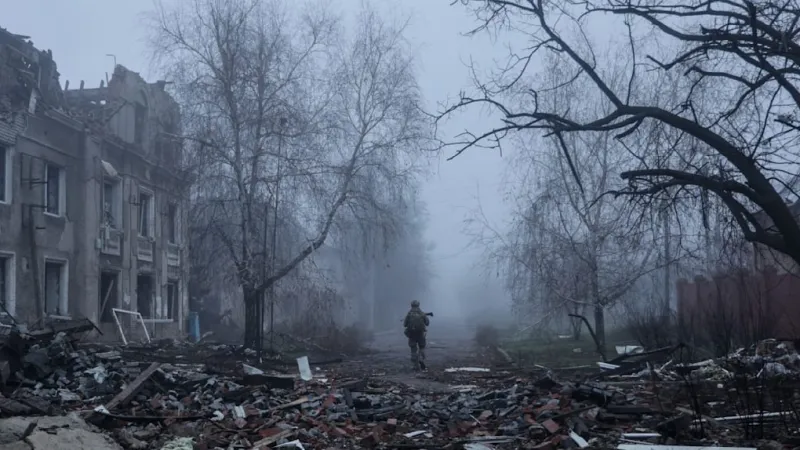
The implications for Ukraine are particularly severe. Years of conflict have decimated infrastructure and displaced millions. Any perceived weakening of international resolve, especially from a global superpower like the United States, could profoundly impact the country's ability to resist external pressures and rebuild.
Related to these concerns, the Czech President recently lamented that Europe missed a crucial window for a Russia ceasefire, further illustrating the deep-seated anxieties among some European leaders regarding the prolonged conflict and its broader ramifications. Such sentiments align with Strack-Zimmermann's apprehension about potential shifts in diplomatic strategy.
Moreover, the security landscape has seen significant activity, with the Moscow mayor reporting over 600 drones in an overnight attack, signifying the ongoing intensity of regional hostilities. This backdrop intensifies the focus on every diplomatic gesture and every statement from global leaders.
The European Union continues to provide substantial aid and political backing to Ukraine, a position that contrasts sharply with the allegations now leveled against the United States President. This divergence in approach could strain the transatlantic alliance if not carefully managed through diplomacy and transparent communication.
The challenge for European leaders lies in balancing their commitment to democratic principles and national sovereignty with the necessity of maintaining constructive relations with the United States. Strack-Zimmermann's pointed critique represents a significant move in this ongoing diplomatic chess game.
The President's office has not yet issued a formal response to these specific remarks by the EU Defense Committee Chair. However, past reactions to similar criticisms have seen the administration reiterate its commitment to global stability while maintaining its independent foreign policy direction.
As the political calendar progresses, the discourse surrounding President Trump's foreign policy and its impact on critical global conflicts will undoubtedly remain a central topic. The accusation by Strack-Zimmermann adds a new, sharp edge to an already contentious debate, emphasizing the profound stakes involved for Ukraine and the wider international community.