Gabriella
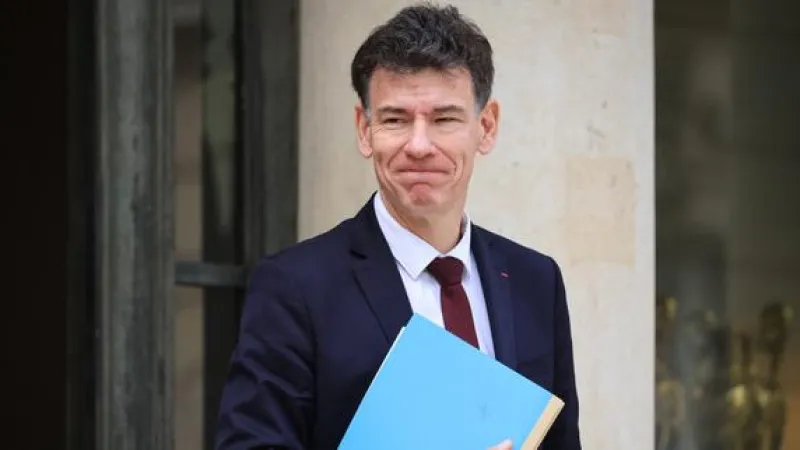
Paris – A contentious report on French university funding, emerging from the recent Assises du financement des universités, proposes a dramatic five-fold increase in student tuition fees and a potential reduction in overall student enrollment. Minister of Higher Education Philippe Baptiste advocated for a national debate on these explosive conclusions during the impending 2026 presidential campaign, suggesting “contributory mechanisms from students who can afford them” are essential for the future of higher education.
The proposals, detailed by the Higher Education Ministry, signal a radical departure from France's long-standing tradition of largely subsidized public university education. For decades, French students have benefited from some of the lowest tuition fees in Europe, a cornerstone of the nation's egalitarian public service ethos.
Minister Baptiste stressed the necessity of these discussions, framing them as vital for the sustainability and modernization of the French university system. His call for “mechanisms contributive” from students with greater financial capacity underscores a growing governmental concern over the fiscal burden of maintaining an expansive higher education infrastructure.
The Assises du financement des universités convened a diverse group of academics, administrators, student representatives, and policymakers to address the mounting financial pressures on French universities. The summit aimed to diagnose systemic issues and propose bold solutions for enhancing the quality and competitiveness of the nation's tertiary institutions.
Introducing such a sensitive topic on the eve of a presidential election is a calculated political maneuver. The proposals are expected to become a central flashpoint in the campaigns of various candidates vying for the Elysée Palace, forcing them to articulate clear stances on the future accessibility and funding model of higher education.
Should these proposals be adopted, the ramifications for French society would be profound. A five-fold increase in fees could erect significant financial barriers for many aspiring students, particularly those from lower-income backgrounds, potentially exacerbating social inequalities and limiting access to higher education.
France's university model has traditionally emphasized broad access, contrasting sharply with systems in countries like the United States or the United Kingdom, where high tuition fees are common. This shift could bring France closer to a market-driven approach, a move that is likely to face considerable public resistance.
Student unions and various left-leaning political parties have historically vehemently opposed any increases in tuition fees, viewing them as an erosion of the public service mission of universities. Early indications suggest strong opposition movements are preparing to mobilize against what they perceive as an attack on educational equality.
The debate over French university funding is not isolated within the nation's education sector. It follows other significant discussions, such as how Paris Weighs Four-Day School Week Amid After-School Violence Concerns, indicating a broader national reappraisal of educational structures and their societal impacts.
Economists suggest that while increased revenue could boost university resources and potentially improve research capabilities, the potential for reduced student numbers might have long-term implications for the nation's skilled workforce and overall economic competitiveness.
While Baptiste framed the proposals as points for debate rather than definitive policy, the fact that such radical measures emerged from a government-initiated summit indicates a serious consideration within the highest echelons of power to reform French university funding.
Public sentiment on university funding in France has historically favored accessible, low-cost education. The government would face a significant challenge in convincing a skeptical electorate that such reforms are necessary and equitable, especially for middle-class families already grappling with economic pressures.
France has long attracted international students due to its high-quality, affordable education. A substantial increase in tuition fees could deter foreign applicants, impacting the nation's soft power and its role as a global academic hub.
The coming months leading up to the presidential election will likely see intense public discourse, protests, and political maneuvering around these proposals. The future direction of French university funding will ultimately hinge on the outcome of this critical national debate and the electoral mandates that emerge.