 Angela Stefani
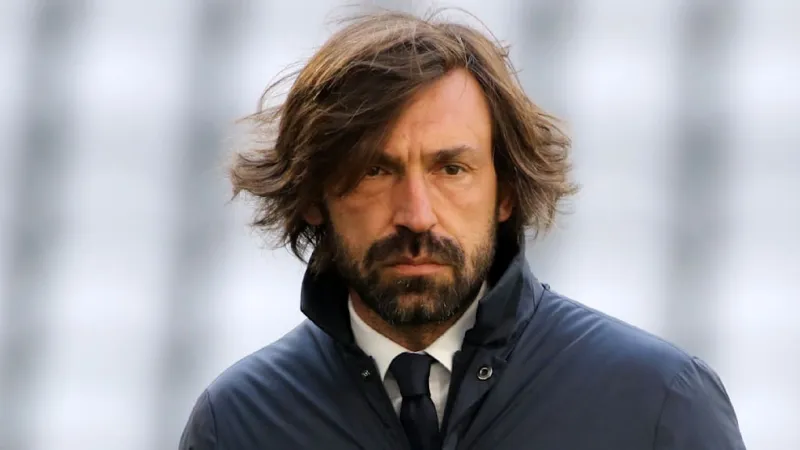
ROME – Andrea Pirlo's highly anticipated appointment as the next head coach of the Italian national football team now faces significant hurdles, with his extensive business relationships in Russia casting a pall over what was once considered a foregone conclusion. The Italian Football Federation (FIGC) is reportedly reassessing the candidacy of its top choice following Pep Guardiola's recent refusal, forcing a difficult decision for the footballing body.
Pirlo, a revered figure in Italian football renowned for his illustrious playing career and tactical acumen, emerged as the front-runner for the coveted position. His name garnered widespread support among fans and pundits alike, seen as a natural successor capable of rejuvenating the Azzurri. The initial plan was to name him shortly after a thorough but routine vetting process.
Sources close to the FIGC indicate that the primary sticking point revolves around Pirlo's financial investments and endorsements within the Russian Federation. These dealings, established years prior to the current geopolitical climate, include partnerships with various commercial entities and sports academies in Moscow and St. Petersburg. While not illegal, their continued existence presents a public relations and political conundrum.
In 2026, with global scrutiny intensifying over international business dealings with Russia, the optics of Italy's national football coach maintaining such ties are particularly sensitive. Many nations, including allies of Italy, have implemented stringent sanctions and encouraged corporate divestment, creating a challenging environment for any prominent public figure linked to the region.
The Italian Football Federation finds itself caught between the undeniable appeal of Pirlo as a coaching candidate and the imperative to uphold its values and avoid potential diplomatic repercussions. Officials are debating whether Pirlo's personal business ventures align with the Federation's commitment to national and international ethical standards.
This unforeseen complication arose after Manchester City manager Pep Guardiola, reportedly the FIGC's initial dream candidate, unequivocally declined the offer. His rejection catapulted Pirlo to the forefront, placing the former midfield maestro on the verge of his most significant coaching role yet. The current impasse leaves the Federation in an unenviable position, needing to act decisively.
The nature of Pirlo's Russian engagement includes consultancy roles for youth development programs and brand ambassadorial duties for a sports apparel manufacturer. These commercial activities, while distinct from political affiliations, are now subject to enhanced scrutiny given the broader geopolitical context and the reputational risks they carry for the national team.
Internally, some FIGC board members are advocating for a swift resolution, either by securing a public commitment from Pirlo to sever or significantly scale back his Russian ties, or by exploring alternative candidates. The Federation is keen to avoid any perception of impropriety or insensitivity on the global stage.
The situation has drawn comparisons to past instances where national sports bodies grappled with the off-field activities of their high-profile personnel. Such dilemmas highlight the evolving responsibilities of national sports organizations, which increasingly extend beyond purely athletic performance to include ethical and diplomatic considerations.
For Andrea Pirlo, the opportunity to lead his national team represents a lifelong ambition. His coaching trajectory, following stints at Juventus and Fatih Karagumruk, points towards this apex. However, the current impasse could force him to make difficult choices regarding his personal business portfolio if he wishes to secure the prestigious appointment. The public and media are keenly watching how the FIGC will navigate this delicate situation.
The debate within Italian football circles extends beyond the boardrooms of the FIGC. Pundits and fans are vocally divided, with some asserting that Pirlo's coaching merit should be the sole criterion, while others argue that national representation demands absolute clarity and alignment with international diplomatic stances. This division echoes sentiments reported previously about Andrea Pirlo nearing coaching role, Italy deeply divided.
The President of the Italian Football Federation faces the ultimate decision. His office must weigh the potential backlash from appointing a coach with significant Russian ties against the risk of alienating a popular choice and potentially delaying the team's strategic development. The path chosen will undoubtedly set a precedent for future appointments involving high-profile figures.