 Debby Wijaya
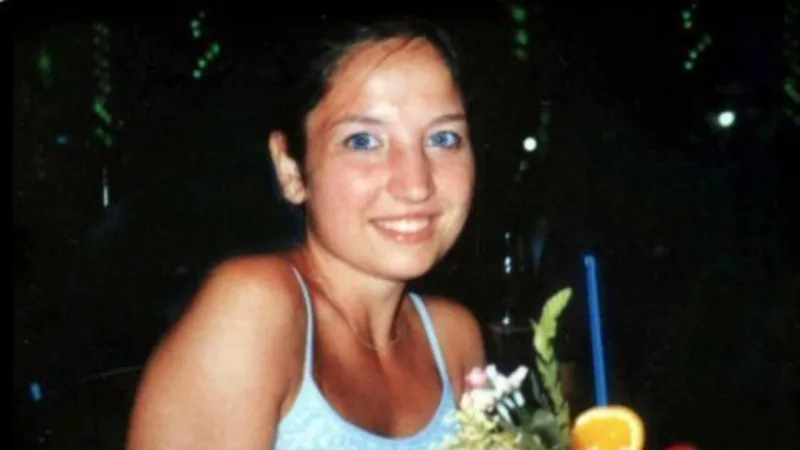
GARLASCO, Italy – As the poignant anniversary of Chiara Poggi's tragic murder draws near, her mother has issued a deeply personal and resolute appeal for silent remembrance, imploring an end to the pervasive cycle of accusations and insinuations that has shadowed the high-profile Italian crime for the past year. The family's plea underscores their profound grief and unwavering desire for privacy, seeking a dignified space to honor Chiara's memory free from the relentless media scrutiny and public debate that continues to swirl around the case.
"We want to remember her in silence," stated Poggi's mother, her words carrying the weight of enduring sorrow. This stark request highlights the family's consistent struggle to navigate their personal loss under the unforgiving gaze of national attention, even years after the initial shock of the tragedy.
The Garlasco murder, which tragically claimed the life of the young woman, remains a deeply etched scar on the national psyche. Each anniversary inevitably reignites discussions, often fueled by differing opinions on the verdict and the subsequent legal maneuvers that have characterized the case.
For the family, this annual recurrence signifies not merely a date on a calendar, but a fresh wave of public discourse that often reopens old wounds. The continuous flow of commentary, often speculative, impedes the quiet process of healing that they desperately seek.
The initial investigation into Chiara Poggi's death, and the subsequent judicial proceedings, garnered immense media coverage across Italy. This intensive scrutiny, while reflecting legitimate public interest in justice, also created an environment ripe for ongoing public conjecture and unverified claims.
The mother's recent statement specifically addresses this phenomenon, articulating a desire to reclaim a measure of control over their narrative of remembrance. It is a testament to the emotional toll exacted by a crime that transcended local boundaries to become a national talking point.
Such high-profile cases often present a dichotomy between the public's right to information and a family's fundamental need for solace. The request for silence from the Poggi family aims to shift the focus from contentious arguments back to the inherent humanity of their loss.
The persistent "accusations and insinuations" mentioned by the family refer to the enduring questions and debates that have persisted long after legal resolutions. These public discussions, amplified by various platforms, often revisit theories and doubts that official channels have already addressed.
This ongoing public fascination, while understandable in the context of a shocking crime, inadvertently prolongs the agony for those most directly affected. The family's call serves as a poignant reminder that beyond the headlines and court documents, there is profound personal suffering.
Ultimately, the family's desire is to commemorate Chiara Poggi not as the subject of an unsolved puzzle or a media spectacle, but as a beloved daughter whose life was cut short. Their appeal for quiet remembrance is a solemn bid for peace in the face of an indelible tragedy.
The Garlasco murder continues to resonate, not only as a case of profound injustice for a family but also as a significant example of the long-term societal impact of highly publicized crimes on those left behind. The mother's plea acts as a powerful beacon for empathy and restraint.