 Edward DP Situmorang
Genoa, Italy – A prolonged and emotionally charged trial concerning the 2018 Morandi Bridge collapse reached a pivotal moment today, with a verdict expected to be read this afternoon, bringing an eight-year legal battle to its climax. The catastrophic structural failure, which occurred on August 14, 2018, claimed the lives of 43 individuals, leaving an indelible scar on the city and the national psyche.
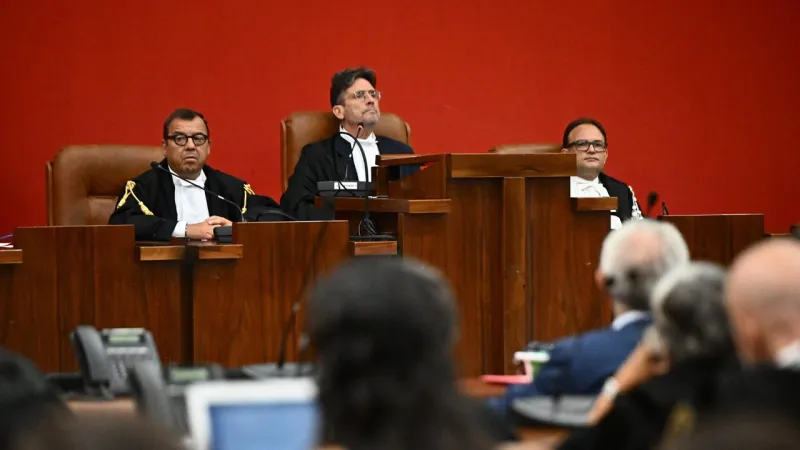
The culmination of years of testimony, expert analysis, and legal arguments unfolded in a packed courtroom, where numerous family members of the victims sat alongside the defense lawyers representing the accused. The atmosphere was palpable with a mix of anticipation, grief, and a longing for justice that has defined the proceedings since their inception.
This final hearing signifies a crucial juncture for Italy, which has watched closely as authorities sought to assign responsibility for one of the nations worst modern infrastructure disasters. The trial has meticulously examined alleged negligence and systemic failures that proponents argue contributed to the bridge's sudden and violent collapse.
Prosecutors have sought to establish accountability among a range of defendants, including executives from Autostrade per l'Italia, the company responsible for maintaining the bridge, and former public officials. Allegations have focused on inadequate maintenance, overlooked warning signs, and a corporate culture that allegedly prioritized profit over public safety.
The defense teams, conversely, have presented arguments aimed at refuting these claims, citing unforeseen circumstances, design flaws, or events beyond the control of their clients. They contend that the complexity of the structure and the forces of nature played a significant, if not primary, role in the tragedy.
The Morandi Bridge, a vital artery for Genoa and a key transit route for northern Italy, disintegrated during a torrential downpour, sending vehicles and concrete plummeting hundreds of feet into the Polcevera riverbed and industrial areas below. The incident immediately ignited a furious national debate about the state of Italy's aging infrastructure.
As the clock ticks towards the 2 PM announcement, the country remains riveted. For the families of the 43 victims, the verdict represents more than a legal outcome; it is a profound search for closure and acknowledgment of their immense loss. Their presence in the courtroom today underscored the deep personal toll of the disaster.
Further context on the extensive waiting period for this ruling can be found in our previous coverage: Morandi Bridge Collapse: Verdict Looms Eight Years After Tragedy. The article details the agonizing timeline and the procedural intricacies that have characterized the past eight years.
The broader implications of this verdict extend beyond the immediate legal consequences for the accused. It stands as a critical test of Italy's justice system and its capacity to hold powerful entities accountable for public safety failures. The outcome could set important precedents for infrastructure management and oversight across the nation.
In the aftermath of the collapse, Autostrade per l'Italia issued an apology, acknowledging past failures, a move that nonetheless divided public opinion regarding the extent of their responsibility. For more on this, see: Morandi Bridge Apology Divides Italy: Autostrade Admits Past Failures.
Whatever the judgment, the memory of the Morandi Bridge collapse serves as a stark reminder of the critical importance of robust engineering, vigilant maintenance, and unwavering commitment to the safety of public infrastructure. The eyes of Italy, and indeed the world, are fixed on Genoa today, awaiting a decision that will reverberate for years to come.
The trial's conclusion, after years of painstaking work by investigators, lawyers, and the judiciary, represents a significant milestone in a national tragedy that spurred widespread reforms and critical scrutiny of Italy's extensive network of bridges and highways. The eventual findings are anticipated to offer valuable lessons for preventing future catastrophes.
The legacy of the 43 lives lost continues to weigh heavily on the collective conscience, ensuring that the Morandi Bridge will be remembered not only as a structural failure but as a poignant symbol of the urgent need for transparency and accountability in public works.