 Chris Robert
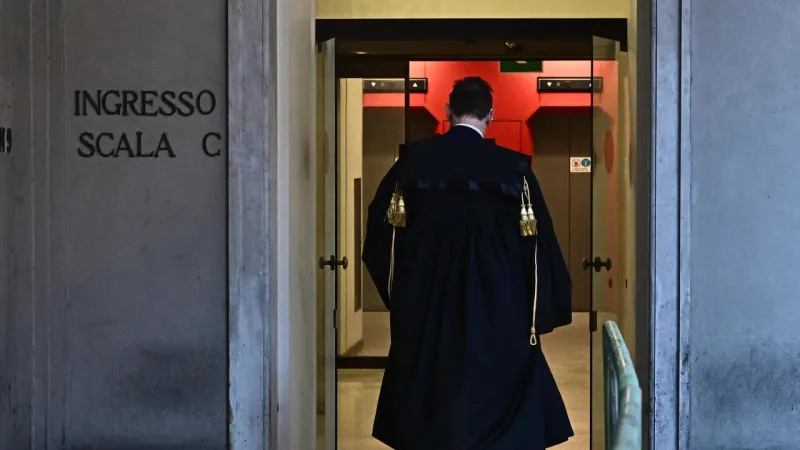
The protracted legal battle surrounding the catastrophic Morandi Bridge collapse in Genoa, Italy, culminates this Thursday as the final act of the trial approaches, eight years after the tragedy. Prosecutors have requested a cumulative 400 years of imprisonment for the 57 defendants implicated in the disaster that claimed dozens of lives.
The trial, which has spanned an exhaustive 284 hearings, represents a monumental effort by the Italian judiciary to assign responsibility for the August 14, 2018, incident. That day, a section of the A10 motorway viaduct gave way during a torrential downpour, sending vehicles and concrete plunging almost 150 feet to the ground below.
This week marks the culmination of years of forensic investigation, expert testimony, and witness accounts aimed at understanding why one of Italy's vital infrastructure links failed so spectacularly. The prosecution alleges that negligence, insufficient maintenance, and systemic safety failures led directly to the collapse.
Among the 57 defendants are former executives and technicians from Autostrade per l Italia (ASPI), the company responsible for managing and maintaining the bridge, and SPEA Engineering, which oversaw inspections. They face charges ranging from multiple manslaughter and negligent injury to road safety violations and deliberate omission of precautions against disasters.
The collapse shocked Italy and prompted an immediate nationwide debate on the state of aging infrastructure. The disaster underscored critical questions about corporate accountability and the effectiveness of oversight mechanisms for private concessions managing public assets.
Victims families have steadfastly pursued justice, their presence a constant reminder of the human cost of the tragedy. For many, this verdict is not just about legal culpability but about securing a measure of peace and ensuring such an event never recurs.
During the extensive proceedings, the prosecution presented a compelling narrative, arguing that executives and technicians knowingly delayed critical maintenance work and failed to implement necessary safety upgrades, prioritizing profit over public safety. Internal documents and expert analyses formed a core part of their evidence.
The defense, in contrast, has often pointed to unforeseen circumstances, the bridge's inherent design flaws, or the extreme weather conditions at the time of the collapse. They argue that responsibility is diffuse and not solely attributable to their clients.
The legal implications of this verdict extend beyond the immediate accused. It could set a significant precedent for corporate responsibility in infrastructure management, not just in Italy but across Europe. It highlights the intricate balance between economic efficiency and public safety.
A separate agreement saw Autostrade per l Italia and SPEA Engineering pay over 100 million euros in damages, avoiding criminal charges as entities in exchange for acknowledging liability. However, individual executives and technicians continued to face the full weight of the legal process, underscoring the principle of personal accountability.
The Morandi Bridge, designed by engineer Riccardo Morandi, was inaugurated in 1967. Its unique pre-stressed concrete design became a point of contention during the trial, with arguments about its susceptibility to degradation over time. The new Ponte San Giorgio, designed by Renzo Piano, opened in 2020, replacing the collapsed structure and serving as a symbol of national resilience.
The potential sentences, totaling 400 years, reflect the severity of the charges and the tragic loss of 43 lives. This Thursday's pronouncement by the court in Genoa will mark a pivotal moment in Italy's quest for accountability, concluding a chapter that began with profound sorrow and a demand for answers. The outcome will be closely observed by legal experts and the public alike, as another significant Italian legal case reaches its conclusion, much like the Saman Abbas murder case or the ongoing trial involving former Minister Santanche.