Chris Robert
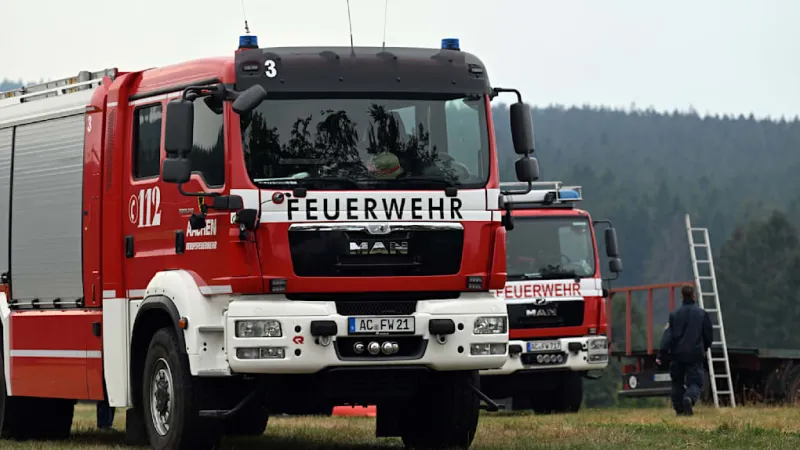
Firefighters in Monschau, a German town located along the Belgian border, are engaged in an escalating battle against an unpredictable wildfire, intensifying preparations for a critical shift in conditions as strong winds are forecast to sweep through the region. This imminent weather change threatens to significantly exacerbate the already challenging situation for emergency crews.
The extensive forest fire continues to pose a formidable threat to vast tracts of woodland and potentially nearby communities. Its proximity to the international boundary necessitates a coordinated response from both German and Belgian authorities, highlighting the cross-border nature of the emergency.
Officials from the Monschau fire brigade have characterized the wildfire as unpredictable, primarily due to the dense vegetation, difficult terrain, and the sheer scale of the affected area. Such unpredictability makes containment efforts exceptionally complex, demanding constant reassessment and strategic adjustments from ground crews and aerial support.
The primary concern for incident commanders centers on the anticipated arrival of strong gusts. Meteorologists predict that these powerful winds will commence within the next 24 hours, dramatically increasing the risk of rapid fire spread and unpredictable changes in direction, which could overwhelm existing containment lines.
"We are bracing for a completely new situation," stated a spokesperson for the Monschau emergency services, emphasizing the gravity of the meteorological outlook. The potential for embers to be carried great distances by the wind could ignite new blazes far from the main fire front, complicating response efforts exponentially.
In response, additional personnel and specialized equipment are being mobilized. Firefighters are working diligently to establish wider firebreaks and reinforce existing ones, particularly around residential zones and critical infrastructure. Public safety remains the paramount concern as the situation develops.
Local residents in areas adjacent to the affected forests have been placed on high alert. While no mandatory evacuations have been ordered yet, authorities are urging vigilance and preparedness for rapid action should the situation deteriorate. Information campaigns are underway to ensure communities are fully informed.
The current wildfire underscores a growing trend of more frequent and intense forest fires observed across Europe, often attributed to prolonged periods of drought and rising temperatures. This incident serves as a stark reminder of the environmental challenges facing the region in recent years.
Cross-border cooperation between German and Belgian fire departments has been ongoing, ensuring a unified front against the blaze. Resources, including water-bombing helicopters and specialized ground units, are being shared and deployed strategically to maximize their impact in this challenging landscape.
Authorities are monitoring wind patterns and fire behavior around the clock, utilizing advanced mapping technologies to project potential spread scenarios. This data is crucial for tactical planning and the safe deployment of hundreds of firefighters battling the blaze.
The immediate focus remains on preventing the wildfire from breaching critical containment zones before the strong winds arrive. The coming hours are considered crucial for the success of these preventative measures, which demand unwavering dedication and physical endurance from all responders.
Damage assessment will commence once the immediate threat subsides, but preliminary observations indicate significant ecological impact on the affected forests. The recovery and reforestation efforts are expected to span many years, highlighting the long-term consequences of such large-scale incidents.