 Chris Robert
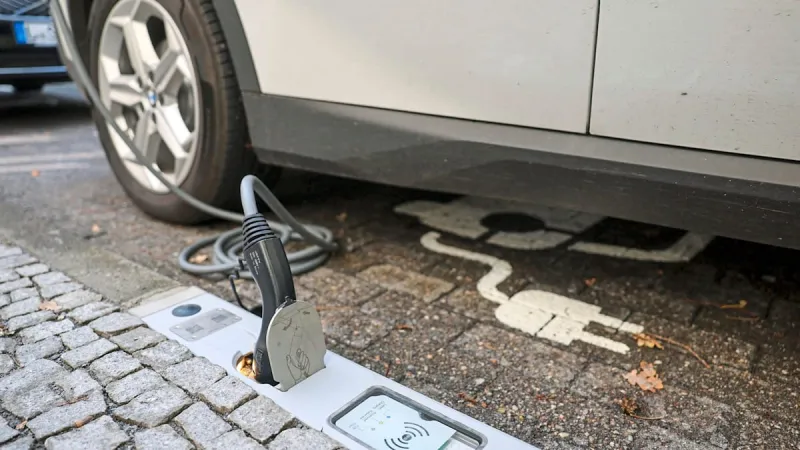
The German electric vehicle market is poised for exceptional growth this year, with the nation's leading car dealer association, ZDK, projecting 817,000 new all-electric passenger car registrations. This remarkable figure represents an almost 50 percent increase over the previous year's 2025 totals, signaling a stronger-than-anticipated embrace of electric mobility across Germany.
This rapid expansion surpasses earlier industry estimates, indicating a significant acceleration in consumer adoption of electric vehicles. Analysts point to a confluence of factors contributing to this robust upturn, including evolving consumer preferences, advancements in battery technology, and a broadening array of compelling EV models available in dealerships nationwide.
The ZDK's forecast underscores a pivotal moment for Germany's automotive sector, a cornerstone of the national economy. The surge in demand for fully electric cars suggests that the transition away from internal combustion engines is gathering unprecedented momentum, challenging traditional timelines for automotive transformation.
Industry experts believe that proactive governmental policies, including purchase incentives and investments in charging infrastructure, have played a crucial role in fostering this environment of accelerated growth. While some fiscal pressures have emerged from successful subsidy programs, the impact on market penetration remains undeniable.
Despite these positive developments, the industry continues to navigate potential headwinds such as raw material availability, charging network density in rural areas, and the ongoing modernization of the national electricity grid. However, the current growth trajectory indicates a strong underlying demand that is overcoming these challenges.
German automakers, including Volkswagen, Mercedes-Benz, and BMW, are intensifying their electrification strategies, launching new models and expanding production capacities. This domestic push is critical not only for market share but also for maintaining Germany's competitive edge in the global automotive landscape.
The economic implications of this growth are far-reaching. Increased EV production is driving investment in new manufacturing facilities, battery cell production, and research and development, creating new jobs and upskilling opportunities across the country. The shift contributes to Germany's broader goals for decarbonization and energy independence.
Consumers are increasingly swayed by longer range capabilities, faster charging times, and the long-term cost savings associated with electric vehicles. The expanding network of public and private charging stations further alleviates range anxiety, making EVs a more practical option for a wider demographic.
This impressive growth in the German EV market also highlights the ongoing debate about the sustainability of current subsidy models. The success of these incentives, while driving adoption, has led to discussions concerning their long-term budgetary impact. Reports have previously detailed how German EV Subsidy Success Imperils Budget Outlook, indicating the need for careful fiscal planning amidst this boom.
Looking ahead, industry observers anticipate that the momentum will continue into the latter half of the decade. The ZDK's updated forecast positions Germany as a frontrunner in electric mobility, setting a benchmark for other European nations and global markets.
This sustained growth reinforces Germany's commitment to becoming a leader in sustainable transportation. The 817,000 projected new registrations for 2026 are not merely numbers; they represent a societal shift towards a greener future on German roads.
The robust performance of the German electric car market serves as a powerful indicator of changing automotive paradigms. It demonstrates a clear path forward for sustainable transportation solutions and reaffirms the nation's pivotal role in shaping the global EV landscape.