 Demian Sahputra
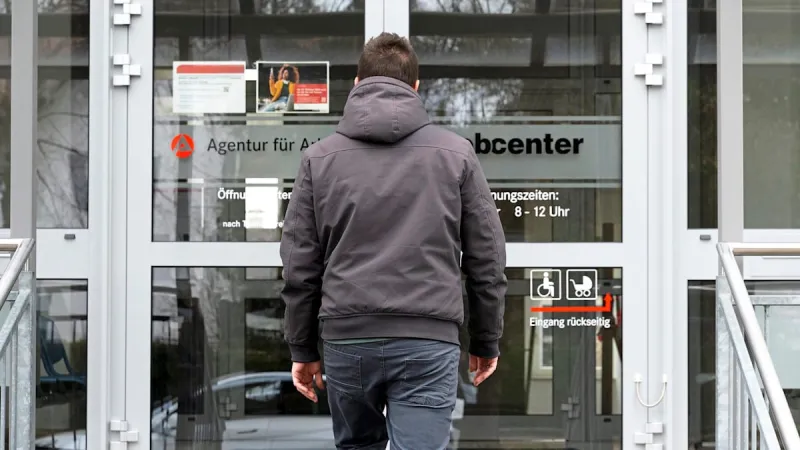
German authorities are implementing a new policy enabling job centers to reduce basic social security benefits for individuals who appear unkempt or intoxicated during job interviews, effective July 1, 2026. This measure grants job centers the power to cut benefits by up to 30 percent for a period of three months, targeting recipients deemed to display unprofessional conduct.
The directive from federal labor officials aims to encourage greater responsibility and a more professional demeanor among those seeking employment while receiving state support. The policy underscores a shift towards stricter conditions tied to unemployment assistance, emphasizing personal presentation as a critical component of job readiness.
Under the new guidelines, instances of appearing visibly disheveled, unclean, or under the influence of alcohol or other substances during a scheduled job interview or meeting with a job center representative could trigger the sanctions. The assessment of such conditions will fall under the discretion of the interviewing personnel.
For recipients of Grundsicherung, Germany's fundamental welfare benefit designed to ensure a basic livelihood, these reductions could significantly impact their financial stability. A 30 percent cut for three consecutive months represents a substantial portion of the already modest support system.
This policy reflects a broader national conversation regarding the balance between social safety nets and individual accountability within the workforce. Proponents argue it fosters discipline and prepares jobseekers for the rigors of the professional world, ultimately facilitating their reintegration into employment.
Critics, however, may raise concerns about the subjectivity inherent in defining unkempt or intoxicated appearances, potentially leading to inconsistent application of the rules. They might also highlight the challenges faced by vulnerable populations who may struggle with personal circumstances impacting their ability to meet stringent presentation standards.
The Jobcenter system, central to Germany's unemployment administration, plays a pivotal role in connecting job seekers with opportunities and managing benefit disbursements. This new regulation adds another layer to their mandate, requiring careful judgment in its implementation.
The enforcement of such a policy could lead to increased scrutiny on both job applicants and the decision-making processes within job centers. Transparency in how these judgments are made and the availability of appeal processes will be crucial to ensure fairness and prevent arbitrary application.
While the immediate focus is on individual conduct, the long-term impact on Germany's unemployment rates and the overall perception of its welfare system remains to be seen. The government hopes this incentive will drive positive behavioral changes among jobseekers.
This initiative comes amid ongoing discussions within the German political landscape concerning social spending and labor market reforms, reflecting Deep Divisions Plague German Coalition Ahead of Key Budget Talks. The ruling coalition continues to navigate complex economic realities and public expectations regarding support for the unemployed, balancing compassionate aid with incentives for self-sufficiency.