 Robert Andrison
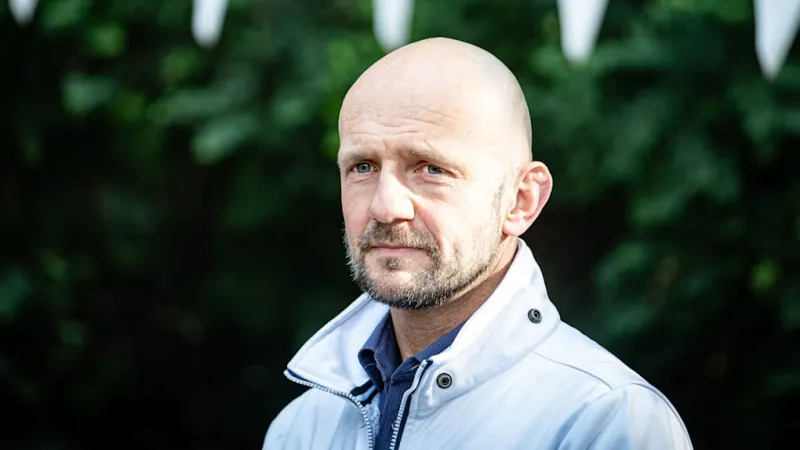
Görlitz, Germany – A comprehensive multi-billion euro strategy is underway in Görlitz, eastern Germany, spearheaded by Christian Democratic Union district administrator Bernd Meyer, aiming to fundamentally transform the region. This ambitious initiative seeks to reverse the districts persistent status as the republics lowest-ranked area, characterized by severe economic and social challenges, including the nations highest unemployment rates, widespread crystal meth addiction, and a disproportionately strong presence of the far-right Alternative for Germany (AfD) party.
For years, Görlitz has epitomized the struggles facing many regions in eastern Germany post-reunification. Despite some pockets of resilience and historical charm, the district grapples with a declining population, an aging workforce, and a significant exodus of younger residents seeking opportunities elsewhere.
The economic downturn has created a vacuum, fostering an environment where social ills like drug dependency have taken root. Crystal meth addiction, in particular, poses a profound public health crisis, further burdening social services and impeding community development efforts.
Political disaffection runs deep in Görlitz, manifested in the strong electoral performance of the AfD. This robust support for a party often perceived as anti-establishment underscores a widespread feeling of being left behind by mainstream politics and economic development.
Landrat Meyer's plan is envisioned as a holistic approach, addressing not just economic stagnation but also the intertwined social fabric. While specific details of the multi-billion euro allocation remain under scrutiny, the overarching goal involves substantial investment in infrastructure, education, and innovative industries.
The initiative aims to diversify the local economy, moving beyond traditional sectors and attracting high-tech companies and research institutions. This strategic shift is crucial for creating sustainable, well-paying jobs that can stem the tide of emigration and entice new residents.
Integral to the turnaround is a robust focus on combating the drug crisis. The plan is expected to include increased funding for addiction treatment centers, prevention programs, and community outreach efforts designed to support individuals and families affected by substance abuse.
Addressing the strong political fragmentation and the appeal of extremist parties like the AfD also forms an implicit component of the strategy. By fostering economic stability and social inclusion, Meyer's administration hopes to rebuild trust in democratic institutions and offer tangible solutions to citizen concerns.
However, the path to a complete turnaround is fraught with challenges. Securing the necessary long-term funding, navigating complex bureaucratic hurdles, and ensuring broad public and political buy-in will be critical. The sheer scale of the transformation required demands sustained effort and resilience.
Comparatively, other large-scale German projects like the Stuttgart 21 rail hub expansion have faced significant cost overruns and delays, illustrating the inherent complexities in executing multi-billion euro initiatives. The Görlitz plan must meticulously manage its budget and timeline to avoid similar pitfalls. Meyer will need to demonstrate clear, measurable progress to maintain public confidence.
The success of the Görlitz plan could serve as a blueprint for other struggling regions across Germany and Europe. It represents a crucial test case for how an economically disadvantaged area, grappling with social challenges and political polarization, can reclaim its future through strategic investment and concerted effort.
The coming years will reveal whether Landrat Meyer's ambitious vision can indeed deliver the promised “complete turnaround,” transforming Görlitz from a symbol of regional decline into a model of revitalization for the entire republic.