 Robert Andrison
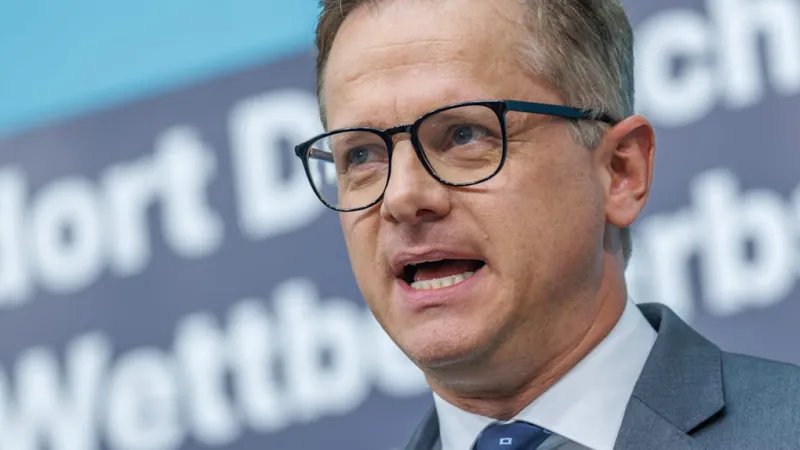
In Berlin, Germany, CDU Secretary General Carsten Linnemann has publicly endorsed a contentious proposal from the German Pension Commission to mandate pension insurance contributions for all minijobs, intensifying a national discussion about the future stability of the countrys social security system and the financial security of its lowest earners. The move aims to ensure broader participation in retirement savings, even for those in marginal employment.
Linnemanns stance, articulated amidst ongoing political deliberations, directly addresses the long-standing debate surrounding minijobs, which currently allow individuals to earn up to 538 euros monthly without requiring contributions to pension insurance. Critics argue this system leaves many vulnerable in old age.
The German Pension Commission, an independent expert body tasked with advising the government on retirement policy, presented its recommendation as a vital step towards closing potential gaps in individual retirement provisions and strengthening the overall pension fund. Its analysis highlighted that a significant portion of minijob holders accumulate insufficient or no pension entitlements, risking poverty in later life.
“Even those who have a minijob must provide for their retirement,” Linnemann asserted, echoing the commissions core argument during recent media appearances. He emphasized the principle of solidarity and the necessity for all gainfully employed individuals to contribute, however minimally, to the collective pension scheme.
The proposed reform would fundamentally alter the landscape for approximately 6.7 million people in Germany currently engaged in minijobs, many of whom utilize these positions to supplement primary incomes or as their sole source of earnings. For these workers, mandatory contributions would mean a reduction in their net monthly income.
While proponents like Linnemann underscore long-term security, the initiative faces anticipated resistance from various political factions and business associations. Concerns revolve around potential administrative burdens for employers and the possible disincentive for individuals to take on minijobs, thereby affecting labor market flexibility.
This debate gains further traction as the German government concurrently explores broader pension reforms. As previously reported, discussions among coalition leaders are underway to seek a landmark pension and tax agreement, signaling a comprehensive overhaul of the social security framework.
Under the existing legal framework, minijobs are typically exempt from social security contributions, including unemployment, health, and long-term care insurance, in addition to pension insurance, provided certain income thresholds are not exceeded. This exemption was largely intended to stimulate low-wage employment and reduce bureaucratic hurdles.
The economic ramifications of such a shift are complex. While increased contributions would bolster the pension fund, they could also potentially reduce consumer spending among minijob holders or lead some employers to scale back such positions, impacting sectors reliant on flexible part-time labor.
The discussion around mandatory pension contributions for minijobs is not new. Over the past decade, various proposals have emerged to integrate these forms of employment more fully into the social insurance system, often met with heated public and political discourse regarding fairness and economic viability.
The move toward mandatory contributions aligns with a broader European trend toward securing retirement for all workers, including temporary and part-time staff. Similarly, automatic pension enrollment for private sector new hires has been a topic of recent discussion, as highlighted in a recent article on automatic pension enrollment set to loom for private sector new hires, indicating a wider push for enhanced retirement security.
As the CDU, a significant player in the German political landscape, aligns with this proposal, the path forward will likely involve extensive negotiations within the ruling coalition and with opposition parties. Achieving a consensus will require balancing fiscal responsibility with social equity and economic impact.
The outcome of this debate will profoundly shape the financial outlook for millions of Germans and the long-term sustainability of the national pension system. Linnemanns outspoken defense signals a firm commitment from parts of the political establishment to enact significant changes in how Germany approaches retirement planning for its diverse workforce.