Angela Stefani
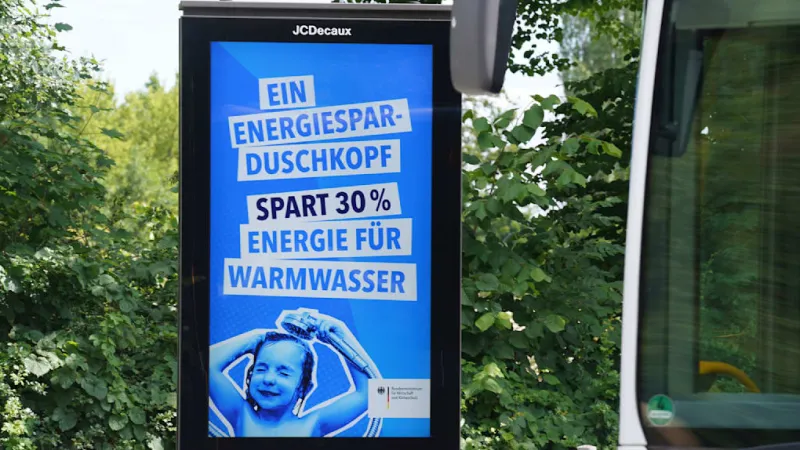
HAMBURG – The Hanseatic city of Hamburg has embarked on a significant overhaul of its urban advertising landscape, reallocating contracts for more than 6,000 advertising carriers. This sweeping initiative, spearheaded by the citys Senate, signals a pronounced shift towards digitalization while simultaneously committing to a reduction in conventional advertising structures and the addition of 400 modern bus shelters across the metropolitan area.
The decision underscores Hamburgs ambition to modernize its public spaces and embrace contemporary urban planning principles. The new agreements are expected to usher in a wave of advanced digital screens, transforming static advertisements into dynamic, interactive displays that can offer a wider range of information and content. This move positions Hamburg at the forefront of smart city initiatives within Germany.
Sources close to the Senate indicate that the newly awarded contracts encompass a vast array of outdoor advertising assets, ranging from bus stop advertising to larger-format billboards. The sheer volume of over 6,000 carriers highlights the extensive nature of this strategic urban upgrade, impacting virtually every district of the bustling port city.
Proponents argue that digital screens offer enhanced flexibility for advertisers, allowing for real-time updates, targeted campaigns, and greater creative potential. Beyond commercial benefits, these screens can also serve as platforms for public service announcements, emergency alerts, and cultural information, integrating seamlessly into the urban fabric.
While the push for digitalization is clear, the Senate has also addressed concerns regarding urban aesthetics and visual clutter. A key provision of the new contracts mandates a reduction in the number of classic advertising installations. This aspect aims to strike a balance between modernizing the citys visual communications and preserving its historic charm.
The commitment to installing 400 new bus shelters is another cornerstone of this urban renewal project. These new structures are anticipated to offer improved passenger comfort and functionality, potentially incorporating features like real-time public transport information, USB charging ports, and enhanced accessibility, aligning with modern public transportation standards.
The reallocation of these advertising rights is not merely an economic decision but a significant investment in Hamburgs infrastructure. The integration of digital advertising infrastructure requires robust network capabilities and power supply, indirectly contributing to the overall technological advancement of the city.
Economically, the new contracts are poised to generate substantial revenue for the city, which can then be reinvested into public services and urban development projects. The competitive bidding process for these valuable advertising rights likely ensured favorable terms for the municipality.
Hamburgs move mirrors a growing trend among major European cities to digitize their outdoor advertising spaces. Cities like London, Paris, and Berlin have similarly explored or implemented strategies to upgrade their urban advertising assets, recognizing both the commercial opportunities and the potential for improved urban information delivery.
This initiative is part of Hamburgs broader long-term vision for sustainable urban development and a more connected public realm. By strategically managing its public advertising spaces, the city aims to enhance citizen experience, support local businesses, and reinforce its image as a forward-thinking metropolis.
Although specific details on public consultations were not immediately available, such extensive urban projects typically involve engagement with local communities, businesses, and public transport operators to ensure broad acceptance and address potential concerns regarding visual impact or data privacy related to digital displays.
The coming months will see the gradual rollout of the new digital screens and the construction of the promised bus shelters. Citizens and visitors alike can expect a noticeable transformation in the citys streetscapes as these changes take effect, offering a glimpse into the future of urban advertising and public amenities.