 Chandra Wijayanto
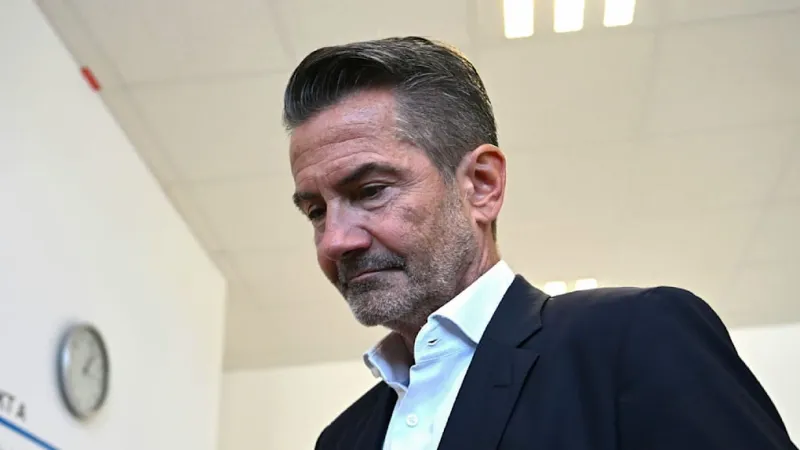
Vienna, Austria – Roland Weissmann, the former director-general of Austrian public broadcaster ORF, is entangled in a complex and high-stakes legal battle. He is simultaneously seeking 3.9 million Euros from the public entity for alleged wrongful dismissal while confronting a separate lawsuit from a former employee who accuses him of sexual harassment, specifically alleging demands for nude images.
The dual legal challenges have cast a significant shadow over Weissmanns professional legacy and drawn intense public scrutiny to the once-prominent media figure. The proceedings are ongoing, unfolding in Austrian courts, and highlight the contentious nature of his departure from the national broadcaster.
According to reports published in the German tabloid Bild, Weissmanns claim against ORF totals a substantial 3.9 million Euros. This demand stems from his assertion that his termination was unjustified, violating contractual agreements or employment law principles.
The financial claim underscores the severity of the dispute between Weissmann and ORF, an institution he led for several years. Such a significant sum points to a profound disagreement over the terms and legitimacy of his departure.
Concurrently, a former female employee has filed a separate civil suit against Weissmann. Her complaint details allegations of sexual harassment during their professional relationship, with a central accusation being that Weissmann allegedly requested nude photographs from her.
These allegations introduce a profoundly serious dimension to Weissmanns legal woes. Claims of sexual harassment in the workplace carry significant ethical and legal weight, particularly when leveled against individuals in positions of power within public institutions.
The ORF, as Austria's national public service broadcaster, operates under a mandate of public trust and integrity. The involvement of its former top executive in such allegations naturally attracts widespread public and media attention, both domestically and internationally.
Weissmanns tenure at the helm of ORF saw him become a recognizable figure in the Austrian media landscape. His current legal predicaments thus resonate broadly, touching upon issues of corporate governance, workplace ethics, and the accountability of high-profile leaders.
Legal experts suggest that the simultaneous nature of these two cases presents a formidable challenge for Weissmann. Defending against a wrongful dismissal claim while simultaneously rebutting accusations of sexual harassment requires a multifaceted legal strategy.
The outcome of these cases could have far-reaching implications. For Weissmann, it could mean significant financial compensation or, conversely, a reinforced blot on his professional standing and potential legal liabilities. For ORF, it may impact its reputation and potentially influence future employment practices.
Workplace harassment claims, particularly those involving requests for inappropriate material, often delve into detailed examinations of communication records, witness testimonies, and company policies. The evidentiary phase of such lawsuits is typically rigorous and protracted.
This legal saga also underscores a broader societal shift towards greater accountability for individuals accused of workplace misconduct, especially those in leadership roles. Public and legal standards concerning professional decorum and employee safety have evolved significantly.
The substantial amount Weissmann seeks from ORF suggests a deep-seated grievance regarding his separation from the organization. Such a high value typically includes lost salary, benefits, and potentially damages for reputational harm he attributes to his dismissal.
Meanwhile, the former employee's pursuit of damages highlights the personal and professional impact of alleged harassment. Her legal action seeks redress for harm she claims to have suffered as a result of Weissmanns alleged conduct.
As the legal proceedings advance, both sides will present their arguments and evidence. The Austrian judiciary faces the task of meticulously weighing the claims and counterclaims, ensuring due process for all parties involved.
Public broadcasters like ORF are held to high standards, and incidents involving top executives, particularly those concerning ethical conduct, are scrutinized intently. The integrity of such institutions relies heavily on the ethical behavior of its leadership.
The unfolding legal drama serves as a potent reminder of the complexities inherent in high-profile employment disputes, especially when intertwined with serious allegations of misconduct. The decisions rendered by the court will undoubtedly shape perceptions of justice and accountability in Austrian media.
Further updates on the proceedings are anticipated as the cases move through the Austrian legal system, providing more clarity on the intricate web of claims and allegations surrounding the former ORF chief.