 Demian Sahputra
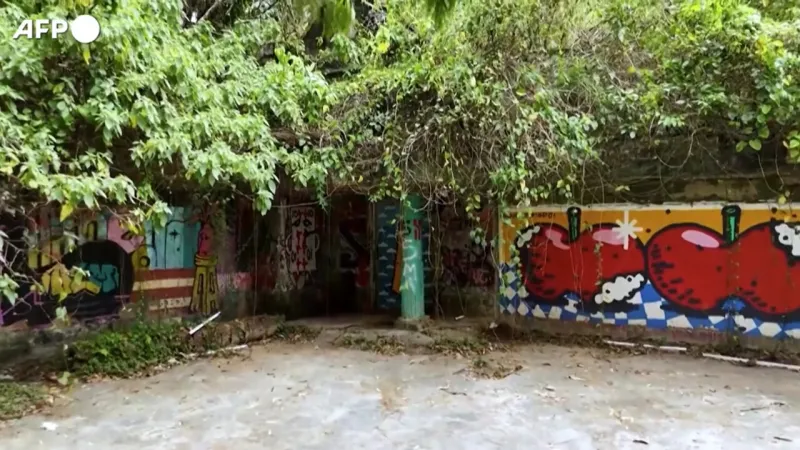
Authorities in Medellin, Colombia, have seized a once-luxurious villa belonging to former national football icon Rene Higuita, acting on allegations that the property was acquired using illicit funds linked to the notorious drug lord Pablo Escobar. The seizure marks a significant development in the ongoing efforts to reclaim assets tied to organized crime, with Higuita's legal team reportedly preparing an appeal.
The property, now described as being in ruin, stands as a stark symbol of the complex legacy of Colombia's past. Its confiscation reignites public debate about the pervasive influence of drug trafficking money that infiltrated various sectors of society during the height of Escobar's reign in the 1980s and early 1990s.
Higuita, affectionately known as 'El Loco,' gained global recognition for his flamboyant goalkeeping style, particularly the audacious scorpion kick save. However, his career has also been marred by controversies, most notably his documented association with Pablo Escobar.
The relationship between the football star and the drug kingpin extended beyond mere acquaintance, with Higuita famously visiting Escobar in prison in 1993. This visit, made while Escobar was incarcerated at 'La Catedral,' sparked widespread condemnation and led to questions about Higuita's judgment and potential complicity.
While Higuita has consistently maintained that his visits were humanitarian gestures aimed at fostering peace, critics and law enforcement viewed his actions with suspicion, suggesting a deeper connection to the cartel's operations or its leader.
The current seizure brings these historical connections back into sharp focus. Investigators assert that the funds used to purchase the villa were directly derived from Escobar's vast illicit enterprise, making the property subject to asset forfeiture laws designed to dismantle criminal financial networks.
Colombian authorities have intensified their efforts to identify and seize properties, businesses, and other assets believed to have been laundered through legal channels. This particular operation against Higuita's property underscores a renewed commitment to pursuing high-profile targets.
The legal battle is far from over. Higuita's representatives have already indicated their intention to file an appeal, challenging the grounds of the seizure. This move suggests a protracted court process, where the provenance of the funds and the extent of Higuita's knowledge will be rigorously examined.
Experts on organized crime in Colombia note that the process of tracing money laundered decades ago is incredibly challenging but crucial for restorative justice. Such seizures serve not only as punitive measures but also as powerful deterrents against future illicit activities.
The dilapidated state of the villa itself tells a story of neglect and legal limbo. Once a symbol of wealth, it now reflects the long-term consequences of alleged ties to a criminal empire, serving as a physical manifestation of the passage of time and the slow grind of legal proceedings.
For many in Colombia, the saga of Rene Higuita and his connection to Escobar remains a painful reminder of a turbulent era. The ongoing legal action regarding his property ensures that the discussion surrounding illicit wealth and its lasting impact on national figures will continue.
The broader context of asset recovery in Colombia includes numerous high-profile cases involving individuals accused of benefiting from drug money. These efforts are part of a national strategy to undermine the economic power of criminal organizations and return ill-gotten gains to the state.
As the appeal process unfolds, public attention will undoubtedly remain fixated on the outcome. The case of Higuita's villa represents more than just a property dispute; it embodies the nation's struggle to reconcile its past with its present, particularly concerning the enduring shadow of Pablo Escobar's legacy.
These actions align with international efforts to combat money laundering and organized crime, where governments worldwide collaborate to track and seize assets acquired through illegal means. The international community often commends Colombia's robust legal framework in this regard.
The Higuita villa seizure serves as a powerful reminder that the reach of justice can extend across decades, reinforcing the principle that illicitly acquired assets, regardless of their current condition or the prominence of their owners, remain subject to confiscation.