 Dodi Irawan
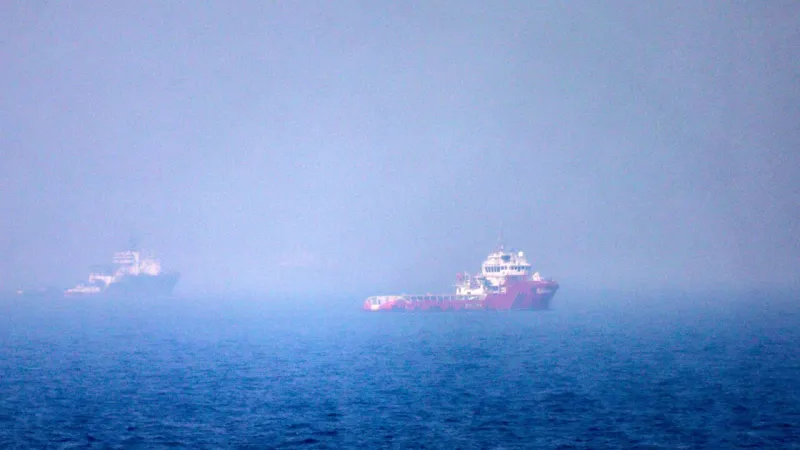
Strait of Hormuz witnessed a grave escalation today as Iranian forces reportedly launched missile attacks against two Emirati oil tankers, resulting in one fatality. The incident prompted an immediate and severe response from President Donald Trump, who declared the US would soon "bomb the Pickaxe Mountain nuclear plant" in Iran. Simultaneously, Tehran asserted its military had targeted facilities in neighboring Bahrain, further deepening the volatile regional crisis.
The attack on the commercial vessels in the strategically vital Strait of Hormuz immediately amplified fears of a broader conflict in the Middle East. Details regarding the extent of the damage to the tankers and the nationality of the deceased individual remain sparse as international maritime authorities assess the situation. This act of aggression directly targets international shipping, a critical artery for global energy supplies.
President Trump's declaration marks a significant ramping up of rhetoric, moving beyond economic sanctions and naval posturing to an explicit threat of military action against a specific Iranian nuclear site. The reference to "Pickaxe Mountain" is notable, as it is not a widely recognized public designation for an Iranian nuclear facility, suggesting either a new or coded target name.
In a counter-claim, Iranian state media reported that its forces had successfully struck military installations in Bahrain, a key US ally and home to the US Navy's Fifth Fleet. This claim, if verified, indicates a broadening of the theater of conflict, potentially drawing more regional players directly into the fray. US Central Command has not yet publicly commented on the alleged strikes in Bahrain.
The Strait of Hormuz, a narrow choke point between the Persian Gulf and the Gulf of Oman, sees approximately one-fifth of the world's oil supply pass through it daily. Disruptions in this waterway invariably send tremors through global energy markets, as evidenced by past incidents that have propelled oil prices near $80 a barrel. The current events are expected to trigger similar market anxieties.
This latest exchange reignites a long-standing pattern of antagonism between Washington and Tehran, which has seen periods of intense tension punctuated by diplomatic efforts and military standoffs. President Trump, throughout his presidency, has maintained a firm stance against the Iranian regime, often employing strong rhetoric and decisive actions to counter what his administration perceives as Iranian aggression.
Observers recall previous periods of heightened alert, including naval confrontations and cyber warfare. The consistent backdrop has been Washingtons determination to prevent Iran from developing nuclear weapons capabilities and Tehran's steadfast refusal to halt its missile program or regional influence operations.
The explicit threat to bomb a nuclear facility raises serious international concerns about non-proliferation and regional stability. Such an act could precipitate a cascade of retaliatory strikes and counter-strikes, drawing in other nations and potentially destabilizing the entire Middle East. Global powers are likely to call for immediate de-escalation and diplomatic engagement to avert a full-blown war.
Tehran's immediate and defiant response, alleging strikes on Bahraini military targets, underscores its readiness to retaliate and signals that it will not cede ground to US pressure. This tit-for-tat escalation pattern makes it increasingly difficult for either side to back down without appearing weak, thereby narrowing the path to a peaceful resolution.
The current climate is reminiscent of earlier moments when the Persian Gulf conflict escalated, with experts often analyzing Iran's strategic advantages in asymmetric warfare. The deployment of missiles against maritime targets, a tactic Iran has threatened before, demonstrates a willingness to use its conventional military capabilities in response to perceived threats.
As the international community grapples with these rapidly unfolding events, the focus remains on the immediate aftermath of the tanker attacks and the potential for a catastrophic miscalculation. The rhetoric from both Washington and Tehran indicates a dangerous game of brinkmanship, with significant geopolitical and economic consequences hanging in the balance.
The coming hours will be crucial in determining whether diplomatic channels can be reopened or if the region is poised for a more widespread military confrontation. The specter of a direct US strike on an Iranian nuclear site looms large, threatening to unleash unprecedented instability.