 Dodi Irawan

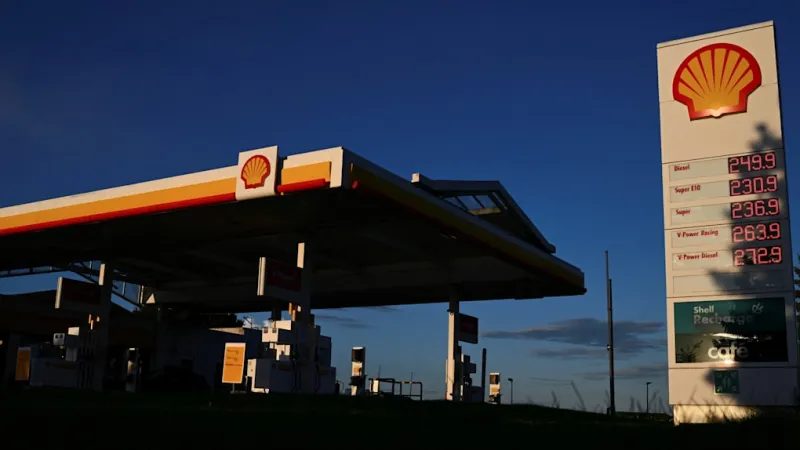
The global energy market faces renewed volatility as escalating tensions between the United States and Iran have propelled crude oil prices to nearly $80 a barrel. This sharp increase, observed across international benchmarks, coincides with a stark warning from financial analysts about dangerously depleted global oil inventories, magnifying the market's susceptibility to geopolitical shocks stemming from the critical Strait of Hormuz.
The latest surge in oil prices comes directly on the heels of intensified rhetoric and strategic maneuvers in the Persian Gulf. Recent weeks have witnessed a pronounced uptick in military posturing and diplomatic exchanges between Washington and Tehran, creating an environment of profound uncertainty for global energy supplies.
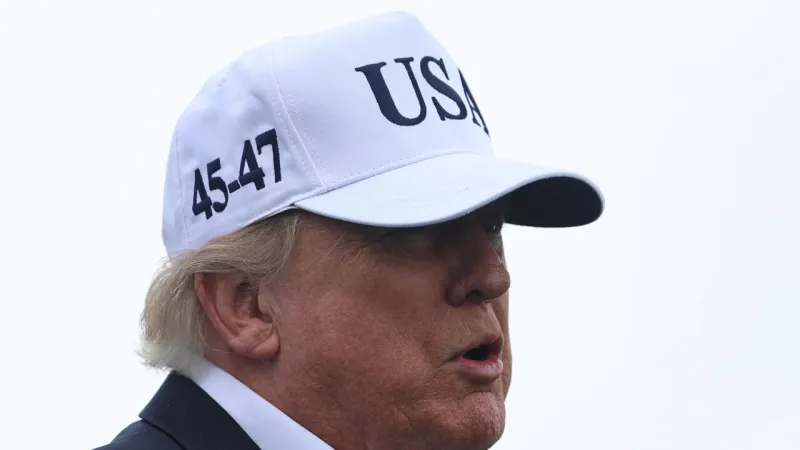
Adding another layer of complexity to the volatile situation, President Donald Trump has explicitly called for a 20 percent transit toll on all cargo vessels navigating the Strait of Hormuz. This unprecedented demand, aimed at what the administration terms a "fair contribution" for securing one of the world's most vital maritime chokepoints, has been met with immediate condemnation from Tehran and alarm from international shipping bodies.
The Strait of Hormuz, a narrow waterway separating Iran and Oman, serves as the sole maritime passage from the Persian Gulf to the open ocean. It is a conduit for approximately one-fifth of the world's total petroleum consumption, making any disruption to its free passage a direct threat to global energy security and economic stability.
Ascan Iredi, a seasoned portfolio manager, underscored the current market fragility in an interview. "We are more susceptible to elevated oil prices than we were three months ago," Iredi stated, highlighting a significant degradation in the market's resilience against supply shocks. His assessment points to a confluence of factors beyond immediate geopolitical flare-ups.
The depleted state of oil inventories, described by Iredi as "enormously empty," represents a critical underlying vulnerability. Strategic reserves in several key consuming nations have reportedly dipped, and commercial stocks globally are at multi-year lows. This reduced buffer means that even minor supply disruptions could trigger disproportionately large price movements.
Analysts attribute these low inventory levels to a combination of factors including consistent underinvestment in new production capacity, a slower-than-anticipated rebound in post-pandemic demand for certain refined products, and a prolonged period of geopolitical uncertainty that has encouraged cautious inventory management by producers and refiners. The market has been operating with leaner stocks, offering little cushion against unforeseen events.
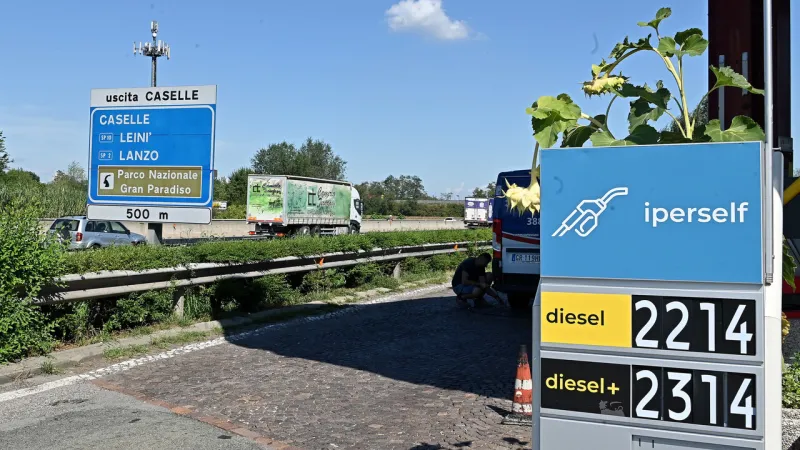
The sustained escalation of oil prices carries significant implications for the global economy. Higher energy costs directly impact consumer spending through increased fuel prices and higher utility bills. Industries reliant on transportation and manufacturing face elevated operational expenses, potentially fueling inflationary pressures and slowing economic growth worldwide.
The current geopolitical climate in the Persian Gulf evokes memories of past confrontations that have routinely sent shockwaves through energy markets. Previous periods of US-Iran tension have consistently demonstrated the fragility of global supply chains when the Strait of Hormuz is threatened. For a deeper analysis of the strategic landscape, readers can refer to Persian Gulf Conflict Escalates: Iran Holds Strategic Advantage, Expert Claims.
International bodies and several allied nations have expressed deep concern over President Trump's proposed toll, warning that it could unilaterally escalate tensions and undermine international maritime law. Diplomats are reportedly working behind the scenes to de-escalate the situation and seek alternative solutions to secure maritime passage without resorting to what many consider a provocative economic measure. The implications of such a toll extend far beyond merely funding security operations.
The President's stance on imposing a toll follows earlier discussions regarding a potential sea blockade, demonstrating a consistent and assertive strategy aimed at pressing Iran. Further details on these policy considerations can be found in our previous report: Trump Announces Iran Sea Blockade, Demands Global Shipping Fees. The administration maintains its position is necessary to ensure stability in the region.
As the situation remains fluid, market analysts predict continued volatility in crude oil prices. The absence of a substantial inventory buffer means that any further escalation in the Persian Gulf, whether through military action, naval incidents, or the enforcement of the proposed toll, could trigger further significant price hikes, impacting economies from major industrial powers to developing nations.
The standoff also highlights broader geopolitical shifts. The United States continues to assert its strategic interests in the Middle East, while Iran maintains its sovereign claims over the waterway it borders. The intertwined nature of energy security, international trade, and regional power dynamics ensures that developments in the Strait of Hormuz will continue to command global attention and shape economic forecasts for the foreseeable future.