Edward DP Situmorang
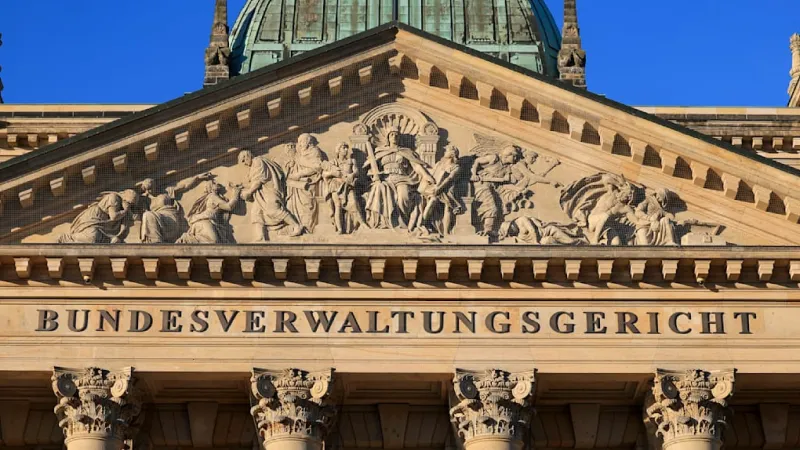
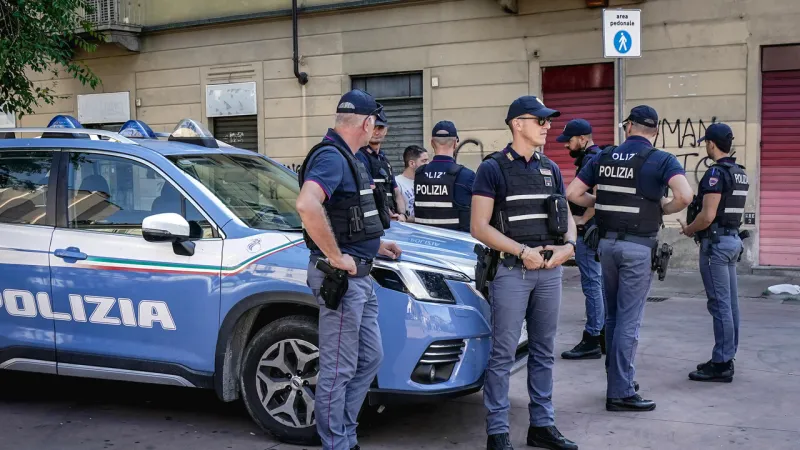
Federal prosecutors in Germany recently announced significant details following a sweeping nationwide raid targeting the Artgemeinschaft, an extremist right-wing organization. Over 250 officers executed search warrants across multiple states, with a primary focus on the town of Gardelegen in the Altmark region of Saxony-Anhalt, revealing potential connections to candidates from the Alternative for Germany (AfD) political party.
This extensive operation, spearheaded by the Halle public prosecutor's office, underscores Germany's ongoing efforts to combat right-wing extremism. The Artgemeinschaft, known for its neo-pagan, völkisch ideology, advocates for an ethnic-racist worldview that rejects multiculturalism and promotes a narrow, exclusionary definition of German identity.
The raids targeted numerous properties associated with the group and its members, gathering substantial evidence. While the full scope of seized materials remains under assessment, authorities expect the findings to shed further light on the organization's clandestine activities and its network of supporters.
Of particular concern to democratic institutions is the reported involvement of individuals with ties to the AfD. The prosecutor's office confirmed that some of the individuals implicated in the Artgemeinschaft investigation also hold or have held positions as candidates for the populist AfD, a party that currently maintains significant representation in various German parliaments.
This alleged link between a politically active party and an extremist group known for its anti-constitutional tenets raises serious questions about the infiltration of mainstream politics by radical elements. Critics have long accused the AfD of harboring extremist views within its ranks, a charge the party typically dismisses.
The Artgemeinschaft has been under observation by Germany's domestic intelligence agency for years. Its ideology, rooted in a romanticized, pre-Christian Germanic past, often serves as a veneer for promoting racial purity and exclusionary nationalism, directly contradicting the principles of Germany's democratic constitution.
The operation in Gardelegen and other locations was meticulously planned to ensure maximum impact while adhering to legal protocols. Investigators are now sifting through digital data, documents, and other items to piece together the full extent of the group's organizational structure, membership, and potential criminal activities.
Public reaction has been swift, with calls from across the political spectrum for a thorough investigation into the AfD's vetting processes and any potential systemic connections to extremist movements. Leading political figures emphasized the imperative of safeguarding democratic values against those who seek to undermine them.
This raid represents a significant development in Germany's continuous struggle against right-wing extremism, a challenge that has gained renewed urgency in recent years. The Halle public prosecutor's office has affirmed its commitment to pursuing all leads and ensuring justice, regardless of the political affiliations uncovered.
Further announcements are anticipated as the investigation progresses, providing more clarity on the charges that may be brought against those involved. The implications for both the Artgemeinschaft and the broader political landscape in Germany, particularly for the AfD, are expected to be profound.