Gabriella
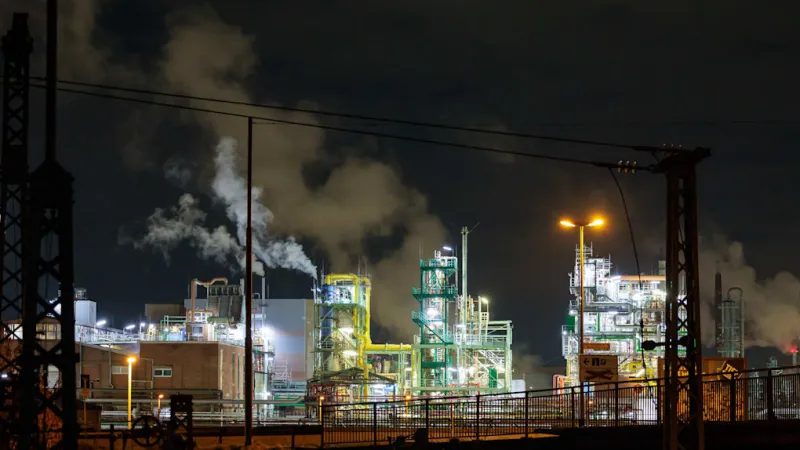
BERLIN – Germany's independent Monopolies Commission has delivered a stark rebuke of the nation's energy policy, labeling existing subsidies, notably the hotly debated industrial electricity price, as both expensive and largely ineffective. In a comprehensive report, the expert body called for an immediate and profound reorientation of industrial policy, advocating a shift towards widespread consumer relief rather than narrowly targeted aid.
The Commission's findings challenge the core premise behind such interventions, which have been subject to intense political wrangling. Policymakers have often justified these measures as critical for safeguarding the competitiveness of energy-intensive industries amidst high electricity costs.
However, the experts contend that these specific subsidies fail to deliver their promised economic benefits. Instead of bolstering industrial resilience across the board, the report suggests they distort market mechanisms and merely shift financial burdens, often without producing commensurate positive outcomes for the broader economy.
Central to the criticism is the argument that a broad reduction in energy costs for all consumers would yield more significant and equitable benefits. This approach, according to the Commission, would prevent market distortions, foster genuine competition, and stimulate economic activity more effectively than the current patchwork of targeted aid.
The concept of an industrial electricity price, a reduced rate for large industrial users, has long been a contentious issue within Germany's political landscape. Proponents argue it is essential to prevent a mass exodus of key industries, preserving jobs and technological leadership.
Opponents, now joined by the Monopolies Commission, warn of market inefficiencies and unfair advantages. Such policies can create an uneven playing field, hindering innovation among companies that do not receive similar support.
The Monopolies Commission, a standing independent advisory body to the German government and parliament, is tasked with identifying and addressing competitive disadvantages and market power abuses. Its recommendations, while not legally binding, carry significant weight in economic policy debates and often influence legislative direction.
Historically, German industry has relied on a competitive energy environment. The ongoing transition to renewable energy sources, while strategically vital for climate goals, has introduced complexities regarding grid stability and pricing volatility, prompting calls for increased state intervention.
The Commission's report asserts that while the intentions behind the subsidies may be well-meaning, their practical application has proven counterproductive. It highlights how they can foster a dependence on state aid, disincentivizing innovation and efficient energy consumption within benefiting companies.
Moreover, the financial burden of these subsidies ultimately falls upon taxpayers and other electricity consumers, who often face higher prices to offset the reduced rates enjoyed by select industries. This redistribution of costs, the Commission argues, lacks transparency and adequate economic justification.
The implications of such a policy shift could be profound for Germany's industrial giants. Companies like Volkswagen, which is already navigating significant transformations, could face altered operating conditions. The ongoing debate around Volkswagen Eyes Massive Job Cuts Amid Looming Power Struggle underscores the economic pressures on German industry, making the energy policy discussion even more critical.
The Commission urges policymakers to critically re-evaluate the entire framework of energy-related industrial support. It suggests exploring market-based solutions and ensuring that any future interventions are transparent, temporary, and demonstrably effective in achieving broader economic goals.
This latest assessment adds significant pressure on the ruling coalition to reconsider its approach to energy-intensive sectors. Balancing environmental targets with economic competitiveness remains a delicate act, and the Commission's unambiguous stance demands a serious response from governmental bodies.
Opposition parties and consumer advocacy groups are expected to seize upon the report's conclusions, intensifying calls for a more equitable and efficient energy policy that benefits all citizens and businesses. The report could trigger renewed parliamentary debates on the direction and speed of Germany's energy transition.
The Monopolies Commission emphasizes that genuine relief for consumers and industry alike can be achieved through structural reforms that enhance market competition, streamline regulatory processes, and accelerate the expansion of cost-effective renewable energy infrastructure.
A truly effective energy strategy, according to the Commission, should prioritize broad-based economic growth and consumer welfare, rather than creating a system of bespoke financial advantages for a select few. This would align Germany's energy framework with principles of fair competition and fiscal responsibility.