Gabriella
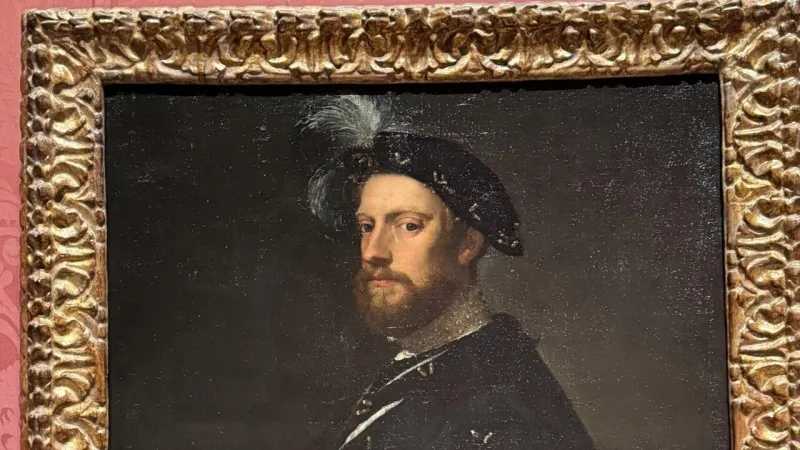
Palermo – A centuries-old mystery surrounding a revered Tiziano portrait has been meticulously unravelled in Palermo, Sicily, with the public unveiling of its true historical journey. The painting, long housed in a prominent Boston institution, has had its provenance definitively traced back to Sicilian roots, correcting previous assumptions and adding a rich new chapter to its storied existence. The revelation occurred recently within a historic palatial setting, drawing significant attention from the art world.
The artwork, now confirmed to be by the hand of the Venetian master Tiziano Vecellio, was presented at a special event where scholars detailed their findings. This deep dive into its origins has solidified its Sicilian connection, a detail previously obscured by time and incomplete records. The discovery pivots on intricate archival research and expert analysis, reshaping the understanding of this particular piece.
For decades, the portrait was often associated with other artists or had an ambiguous early history. However, new evidence suggests a direct lineage within Sicilian noble families, linking it firmly to the island long before its transatlantic voyage. The re-evaluation of its past signifies a crucial moment for art historians and illuminates Tiziano's potential, albeit unrecorded, influence or commissions in southern Italy.
Tiziano, one of the most versatile and influential painters in the history of Venetian art, created an oeuvre that includes portraits, landscape backgrounds, mythological, and religious subjects. His ability to capture the psychological depth of his subjects and his pioneering use of color profoundly impacted generations of artists. A documented presence of his work in Sicily underscores the islands historical significance as a cultural crossroads during the Renaissance.
The research leading to this significant re-attribution focused on primary documents and artistic stylistic comparisons. Experts scrutinized brushwork, pigment analysis, and the historical context of patronage, ultimately confirming Tiziano's authorship and establishing the paintings early life in a Palermo aristocratic household. This exhaustive process dispelled earlier doubts and provided concrete evidence of its heritage.
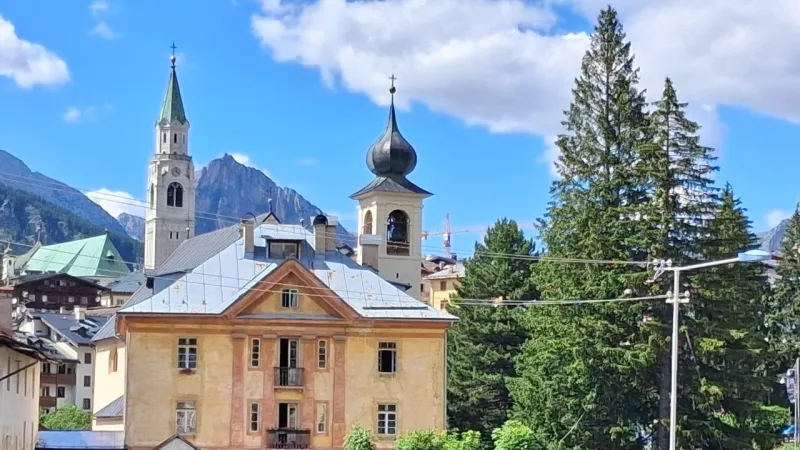
The specific palace in Palermo that hosted the unveiling now serves as a pivotal point in the painting's narrative. It was within these historic walls that the critical connections were forged, demonstrating how local archives can hold keys to international art history. The event offered a rare glimpse into the painstaking detective work involved in authenticating and contextualizing Old Master paintings.
This newfound understanding not only enriches the history of the individual portrait but also contributes to a broader appreciation of the artistic exchanges between Venice and the Mediterranean world. It underscores how masterpieces often travel far from their points of origin, gathering layers of history and interpretation along the way, some of which only surface through diligent scholarship.
The Boston museum, where the Tiziano portrait currently resides, is expected to update its official records and interpretive materials to reflect this important scholarly breakthrough. Such discoveries often lead to renewed interest in the artworks, potentially sparking new exhibitions or dedicated studies exploring the implications of its Sicilian provenance. This also serves as a testament to the ongoing evolution of art historical knowledge.
Art scholars involved in the project emphasized the importance of challenging long-held assumptions. One lead researcher, speaking at the unveiling, remarked, "This discovery reminds us that even the most recognized works of art can harbor untold stories, waiting for patient eyes and rigorous research to bring them to light." This sentiment captures the essence of the scholarly endeavor.
The implications extend beyond mere attribution. Understanding the precise trajectory of a major Tiziano work from Sicily to its eventual home in Boston offers invaluable insights into art patronage networks, trade routes, and the cultural movements of the European Renaissance. It illustrates the enduring power of art to connect distant geographies and centuries.
The unveiling has ignited discussions within the international art community about other potential re-attributions or discoveries that might be hidden within private collections or less-examined archives. It reinforces the dynamic nature of art history, where new evidence can dramatically alter established narratives.
This event in Palermo provides a compelling example of how cultural heritage, even that which has traveled continents, maintains a profound connection to its origins. It is a reminder that the stories behind masterpieces are as intricate and layered as the artworks themselves, constantly inviting re-examination and discovery.