Debby Wijaya
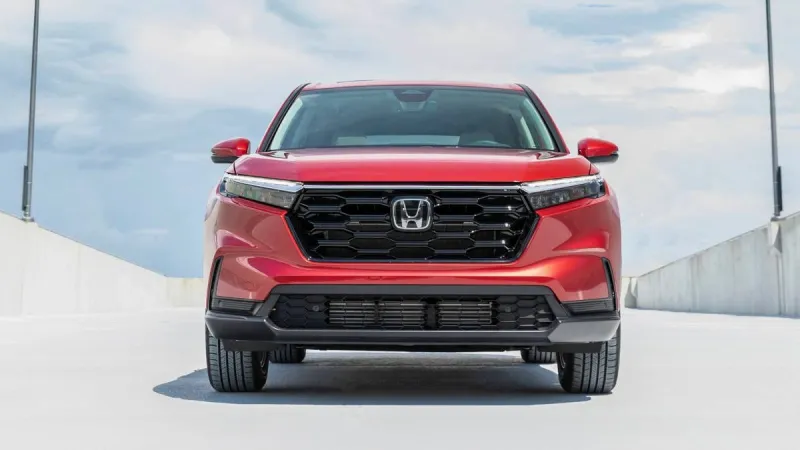
WASHINGTON – Honda CR-V owners across the nation are raising significant safety concerns in 2026, pinpointing two potentially hazardous flaws within the popular SUVs windshield wiper systems that gravely compromise driver visibility, particularly during adverse weather conditions. These reported malfunctions, which appear on models expected to feature advanced automotive solutions, challenge contemporary expectations for vehicle safety and performance.
The identified issues reportedly manifest as inconsistent wiping patterns and insufficient clearing capabilities, leaving large sections of the windshield obscured. Drivers describe streaks, skipped areas, and a general inability for the wipers to effectively remove rain, snow, or road grime, creating dangerous blind spots that could lead to accidents.
Such persistent visibility impediments pose a direct threat to occupant safety and other road users. Driving with compromised frontal visibility significantly increases reaction times and reduces a drivers ability to perceive hazards, particularly at higher speeds or during nighttime operations. The automotive industry generally holds a zero-tolerance stance for such basic safety failures.
In an era where automotive technology continually advances, with sophisticated driver-assistance systems becoming standard, the recurrence of fundamental issues like inadequate windshield wiping functionality in a 2026 model like the Honda CR-V is particularly jarring. Consumers expect vehicles produced today to embody decades of engineering refinement, not regress on basic safety features.
As reports accumulate through online forums and owner complaints, industry observers are urging Honda to address the concerns promptly. A comprehensive investigation into the design or manufacturing process of the Honda CR-V wiper system appears warranted to determine the root cause and implement a swift resolution.
Automotive safety regulators, both domestically and internationally, are likely to monitor the situation closely. Should these reported flaws prove widespread and systemic, official inquiries or even a recall could be initiated to safeguard public safety. The precedent for such actions is well-established within the industry.
The longevity and reliability of the Honda CR-V have traditionally been strong selling points for the Japanese automaker. However, persistent reports of a fundamental safety flaw could erode consumer trust and damage the brands reputation for quality and engineering excellence, impacting future sales and customer loyalty.
For current Honda CR-V owners experiencing these visibility issues, experts advise immediate inspection of their wiper blades and system components. Replacement with high-quality aftermarket blades might offer a temporary improvement, but a permanent fix from the manufacturer is the ultimate necessity. Drivers should exercise extreme caution, especially in poor weather.
While specific market implications remain to be seen, similar issues in other manufacturers models have often led to dips in consumer confidence and sales figures. The competitive SUV market leaves little room for compromise on safety, especially when fundamental functions are implicated.
The automotive community awaits an official statement from Honda regarding these concerning reports. The companys response will be critical in shaping how this issue is perceived and resolved, ensuring that the Honda CR-V continues to meet the stringent safety standards expected by todays drivers.