 Angel Doris
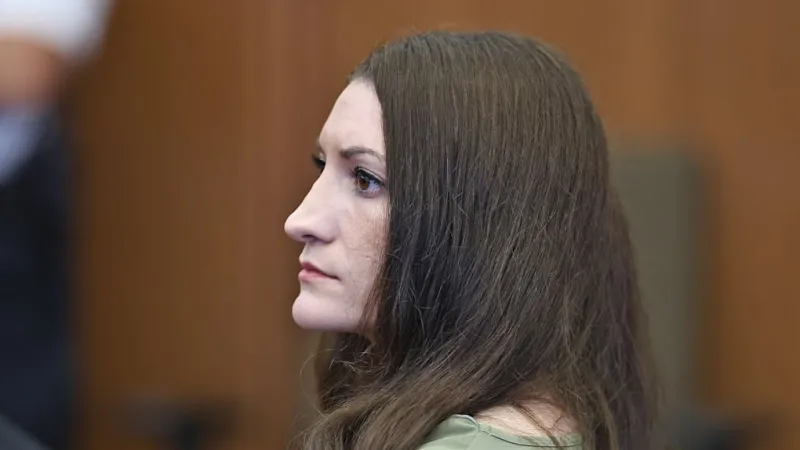
Plymouth, Massachusetts – A highly anticipated trial against Lindsay Clancy, a Massachusetts mother accused of murdering her three young children, concluded recently in a mistrial. Jurors reported being deadlocked after extensive deliberations, unable to reach a unanimous verdict on the charges that captivated national attention.
The impasse stemmed from a single dissenting vote. Reports indicate that eleven members of the jury favored declaring Clancy not criminally responsible for the deaths, while one juror maintained an opposing stance. This inability to agree ultimately forced the judge to declare a hung jury, nullifying the proceedings.
Clancy, a former labor and delivery nurse, faced charges of murder in the first degree for the deaths of her five-year-old daughter, Cora, three-year-old son, Dawson, and seven-month-old son, Callan. The tragic incident occurred in January 2023 at the family home in Duxbury, Massachusetts, sending shockwaves through the community.
Prosecutors contended that Clancy acted with malice aforethought, presenting evidence to suggest a deliberate and calculated act. They argued that despite any mental health struggles, she possessed the capacity to understand the gravity of her actions and intended to harm her children.
Conversely, the defense built its case around Clancy's severe postpartum depression and psychosis. They presented extensive testimony from medical experts who detailed her deteriorating mental state leading up to the incident, arguing she was in the throes of a debilitating mental illness that rendered her incapable of criminal intent.
The core of the legal battle revolved around the concept of criminal responsibility. Massachusetts law allows for a finding of not criminally responsible if a defendant lacked the capacity to appreciate the criminality of their conduct or to conform their conduct to the requirements of law due to a mental disease or defect.
The declaration of a mistrial means that the legal saga for Clancy is far from over. Prosecutors now face a critical decision: whether to pursue a retrial, negotiate a plea agreement, or drop the charges entirely. A new trial would necessitate presenting the case anew to a different jury.
This outcome underscores the immense complexities inherent in cases involving severe mental illness and allegations of violence within families. Such trials often present profound emotional challenges for all parties involved, including the jury members tasked with rendering a decision.
Legal scholars often cite hung juries as a testament to the difficult burden of proof placed on prosecutors, particularly when nuanced factors like mental health are central to the defense. The requirement for a unanimous verdict ensures that the state must convince every juror beyond a reasonable doubt.
The family of Clancy, including her husband Patrick Clancy, has publicly expressed support for her, often highlighting her mental health struggles. The case has also ignited broader discussions about postpartum mental health resources and the societal understanding of maternal depression and psychosis.
The decision to proceed with a retrial will undoubtedly involve a careful evaluation of the evidence, the resources required, and the likelihood of securing a unanimous verdict in a subsequent proceeding. The community awaits further developments as the legal path forward remains uncertain for Lindsay Clancy.