 Demian Sahputra
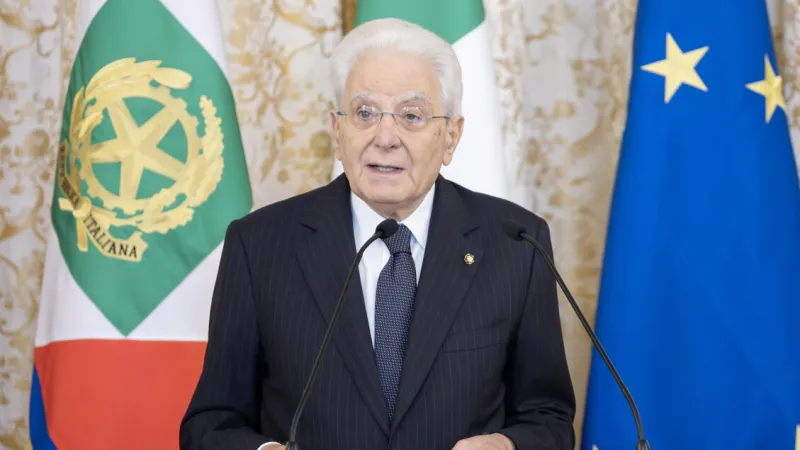
ROME - The Quirinale Palace today hosted a solemn ceremony commemorating the World Day Against Drugs, where Italian dignitaries underscored the nations unwavering commitment to combating drug abuse and trafficking. The event, held annually on June 26, served as a poignant platform to reflect on societal challenges posed by narcotics and to reinforce preventive strategies.
President Sergio Mattarella presided over the event, emphasizing the critical need for a multi-faceted approach to address the global drug problem. His remarks highlighted the importance of education, rehabilitation, and robust law enforcement in safeguarding communities, particularly the youth, from the devastating effects of substance addiction.
High-ranking government officials, representatives from anti-drug agencies, and civil society organizations gathered to reaffirm their collective resolve. Speakers reiterated the complex nature of drug addiction, stressing that it demands not only punitive measures against traffickers but also compassionate support for individuals battling addiction.
The World Day Against Drugs, officially known as the "International Day Against Drug Abuse and Illicit Trafficking", was established by the United Nations General Assembly in 1987. Its annual observance aims to strengthen action and cooperation to achieve the goal of an international society free of drug abuse.
Italy, like many nations, grapples with various forms of substance abuse, from illicit narcotics to the misuse of prescription drugs. Official statistics consistently show the pervasive reach of drug networks and their impact on public health and safety, making sustained national and international efforts paramount.
Prevention remains a cornerstone of Italys strategy. Educational campaigns targeting schools and vulnerable populations are crucial in disseminating awareness about the risks associated with drug use. These initiatives aim to empower individuals to make informed choices and resist peer pressure.
Beyond prevention, the Italian healthcare system and numerous non-governmental organizations provide vital support for recovery. Rehabilitation programs, counseling services, and reintegration initiatives are essential components in offering a pathway to sobriety and a return to productive lives for those affected by addiction.
The ceremony also served as a reminder of the transnational nature of drug trafficking, necessitating robust international cooperation. Collaborations with European Union partners, INTERPOL, and other global bodies are vital in dismantling criminal networks that exploit vulnerable populations and undermine national security.
President Mattarella called upon all societal actors—families, educators, healthcare professionals, and law enforcement—to unite in this common cause. He stressed that a truly effective fight against drugs requires shared responsibility and continuous innovation in prevention and treatment methodologies.
In his closing remarks, the President urged a renewed focus on evidence-based policies and a compassionate understanding of addiction as a public health issue. He reiterated that while strict measures against traffickers are imperative, society must also extend a hand of support to those trapped in the cycle of addiction.
The event concluded with a collective pledge to intensify efforts against illicit drug trade and to foster a culture of well-being. This national observance underscores Italys ongoing commitment to contributing to a healthier and safer world, free from the scourges of drug abuse.
Officials present highlighted the persistent challenges posed by new synthetic drugs and evolving trafficking routes. These emerging threats demand adaptable strategies and continuous investment in intelligence gathering and technological solutions to stay ahead of criminal enterprises.
The Quirinale ceremony also acknowledged the dedicated work of frontline personnel, including law enforcement officers, healthcare workers, and volunteers, who tirelessly work to combat drug-related crime and support individuals on their path to recovery. Their unwavering commitment forms the backbone of the national response.
Throughout the day, various regional initiatives across Italy mirrored the national observance, with local communities hosting awareness events, workshops, and support group meetings. These decentralized efforts amplify the message of prevention and hope, reaching diverse demographics.
The Presidents message resonated with the global communitys plea for shared responsibility in tackling drug-related issues. International collaboration remains a key pillar, fostering intelligence sharing and coordinated operations to disrupt the flow of illicit substances across borders.
Italys long-standing commitment to international anti-drug conventions and treaties was also implicitly reinforced by the high-profile ceremony. The nation continues to advocate for multilateral solutions to a problem that transcends national boundaries and impacts global stability.
Looking forward, policy discussions will likely focus on strengthening support systems for recovering addicts and their families, ensuring that successful reintegration into society becomes a tangible reality. The aim is to break the cycle of stigma and foster an inclusive environment.