 Dorry Archiles
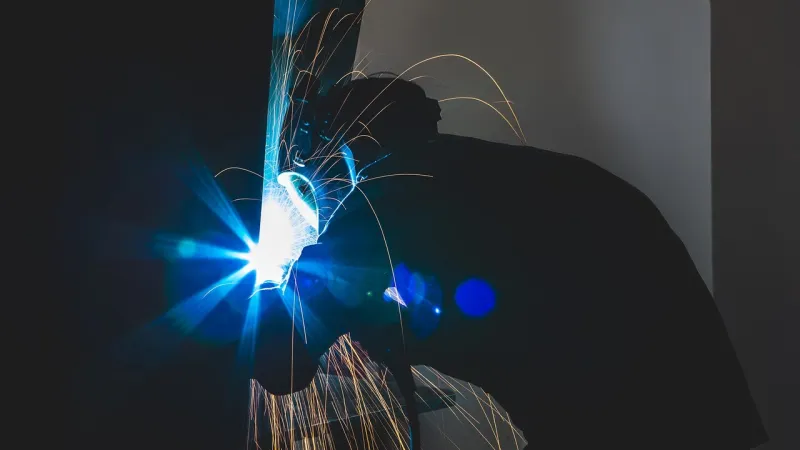
ROME – A striking 13% gender pay gap persists for women employed in Italy's metalworking industry, a recent report from the Fim-Cisl union reveals. This significant disparity indicates that female workers earn thousands less annually than men despite their crucial contributions to the sector, underscoring ongoing challenges in achieving equitable remuneration across industrial professions.
The detailed analysis by Fim-Cisl, one of Italy's leading metalworkers unions, highlights that women constitute less than 20% of the total workforce in this traditionally male-dominated industry. Their average annual earnings stand at 38,313 euros, markedly lower than the 44,260 euros earned by their male colleagues.
This discrepancy is not merely statistical; it reflects profound structural and cultural issues embedded within the industrial landscape. The report serves as a stark reminder of the uphill battle women face in achieving equal pay for equal work, or work of equal value, within vital economic sectors.
Fim-Cisl stated that the findings necessitate urgent attention from both industry leaders and policymakers. The union advocates for concrete measures to address the root causes of the pay gap, including transparent salary structures, robust collective bargaining, and initiatives promoting women's career progression in technical and leadership roles.
The metalworking industry is a cornerstone of the Italian economy, encompassing a wide range of manufacturing activities from automotive components to specialized machinery. Recent events, such as the situation at Ilva where the Italian government committed a significant lifeline, demonstrate the sector's strategic importance. Ensuring fairness within this industry is critical for national economic health and social equity.
The union data suggests that the fewer women in the workforce, coupled with the lower average remuneration, indicates potential biases in hiring, promotion, and wage determination processes. While direct discrimination cannot always be isolated, the cumulative effect of these factors creates a substantial economic disadvantage for female employees.
Experts suggest that factors contributing to the pay gap can include a concentration of women in lower-paying roles, less access to overtime or performance-related bonuses, and insufficient support for work-life balance that might impede career advancement. These systemic issues often compound to create persistent inequalities.
Addressing the gender pay gap requires a multi-faceted approach. Beyond legislative mandates, there is a clear need for cultural shifts within companies to foster environments where meritocracy truly prevails and unconscious biases are actively mitigated. Transparency in pay scales is often cited as a powerful tool to expose and rectify such disparities.
Trade unions like Fim-Cisl have historically played a pivotal role in championing workers' rights, including the fight for equitable pay. Their ongoing advocacy is essential in pushing for collective agreements that explicitly tackle gender-based wage differences. The union's report provides a factual basis for these critical discussions.
The implications of this pay gap extend beyond individual finances, impacting household incomes and broader economic equality. Empowering women economically through fair wages can stimulate local economies and enhance societal well-being. This issue resonates with broader labor discussions, including those seen in Germany's metal industry where unions like IG Metall negotiate complex agreements to protect workers amidst changes like job cuts.
The Fim-Cisl report urges all stakeholders—employers, government, and fellow labor organizations—to collaborate on developing effective strategies to close this persistent gap. The goal remains to ensure that all workers, regardless of gender, receive fair compensation reflective of their skills, experience, and contribution.
This situation in the Italian metalworking sector serves as a reminder that gender equality in the workplace remains an ongoing global challenge. Progressive policies and diligent oversight are paramount to dismantle such disparities and build a more inclusive and equitable industrial future.