 Edward DP Situmorang
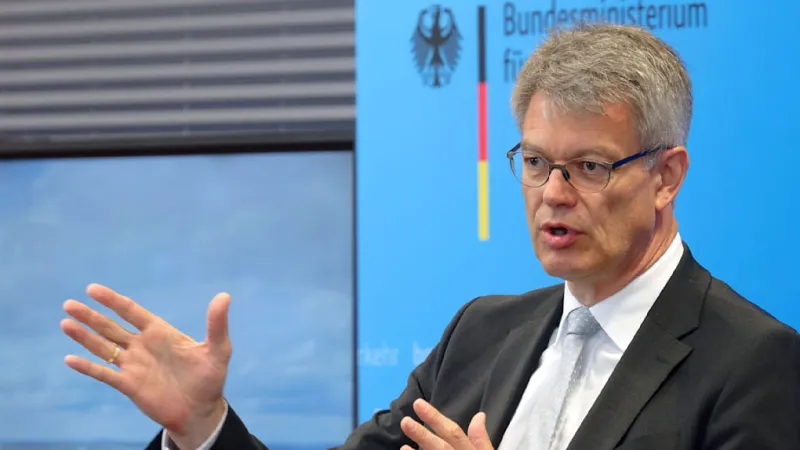
BERLIN — Germany's Transport Minister Schnieder has issued a stark warning, preparing the nation for a wave of continuous, unexpected bridge closures and significant traffic disruptions as the country confronts a pervasive infrastructure crisis. Approximately 8,000 bridges across Germany require urgent renovation or complete reconstruction, with half of these critical projects slated for completion by 2032.
Minister Schnieder emphasized the inevitability of future disruptions, stating, "This situation can recur at any time across our network." His remarks underscore a growing concern within government circles regarding the deteriorating state of national transportation arteries, many of which date back decades without comprehensive overhauls.
The scale of the challenge is immense. The approximately 8,000 structures in question represent a substantial portion of Germany's vital road and rail infrastructure. These range from crucial Autobahn viaducts to smaller, local connectors, all essential for the movement of goods and people throughout the country and Europe.
Experts from engineering and urban planning sectors have long cautioned about the impending strain. Years of underinvestment and deferred maintenance have left numerous bridges vulnerable to structural fatigue, exacerbated by increased traffic loads and environmental stressors. The year 2032 marks a critical deadline for prioritizing and executing these repairs.
The economic ramifications of widespread bridge closures extend far beyond daily commutes. Supply chains face potential bottlenecks, logistics costs rise, and regional economies suffer from reduced accessibility. Businesses relying on timely transport, particularly in manufacturing and retail, anticipate substantial operational challenges.
Such infrastructure vulnerabilities have previously manifested in tangible ways. Incidents like the Berlin S-Bahn collision amid tempestuous weather, while not directly bridge-related, highlight the fragility of an aging system when put under stress. The need for resilient infrastructure is paramount.
Public confidence in Germany's once-vaunted engineering prowess could also waver. For decades, German infrastructure stood as a symbol of efficiency and reliability. The current predicament suggests a significant departure from that image, prompting calls for more proactive and long-term planning.
The federal government has initiated various programs to address the backlog, but critics argue these efforts remain insufficient given the magnitude of the problem. Securing adequate funding, streamlining planning processes, and recruiting skilled labor present formidable hurdles to accelerate the necessary renovations.
Schnieder's ministry has outlined a multi-phase approach, focusing first on the most critically compromised structures. However, even with accelerated timelines, the sheer volume of projects means that some degree of disruption will be unavoidable for years to come.
The imperative is clear: Germany must rapidly pivot from reactive closures to proactive maintenance and modernization. The long-term economic stability and quality of life for its citizens depend on a robust and reliable transportation network, a challenge the current administration is confronting head-on.
Local municipalities, often responsible for the upkeep of smaller bridges, are also struggling with budgetary constraints. The coordination between federal, state, and local authorities will be crucial to ensure a synchronized and effective national response to this looming crisis.
Environmental considerations also play a role in new construction and renovation projects. Adhering to contemporary sustainability standards adds layers of complexity and cost, requiring innovative engineering solutions and careful resource management.
The ongoing debate will likely intensify in parliamentary discussions, with opposition parties demanding greater transparency and accelerated action plans from Minister Schnieder's department. The issue transcends partisan lines, directly impacting daily life across all of Germany.