 Robert Andrison
Italy's vital coastal ecosystems face an escalating crisis as soaring sea temperatures decimate native mussel and clam populations, while an invasive blue crab species proliferates unchecked. This dual environmental assault threatens both the region's biodiversity and its lucrative shellfish industry, prompting urgent concerns among marine biologists and local authorities.
For generations, the cultivation of mussels and clams has been a cornerstone of Italy's maritime economy, supporting countless livelihoods and enriching its culinary heritage. However, the current prolonged marine heatwave, exacerbated by global climate trends, directly compromises the survival of these temperature-sensitive mollusks.
Reports from major aquaculture zones indicate significant mortality rates among mussel and clam beds. Warmer waters reduce oxygen levels, stress the organisms, and make them more susceptible to disease, essentially suffocating them in their natural habitats. This alarming trend mirrors broader climate challenges observed across the country, as evidenced by earlier alerts such as the Italy Swelters: 25 Cities Face Red Heat Alert Monday in recent years.
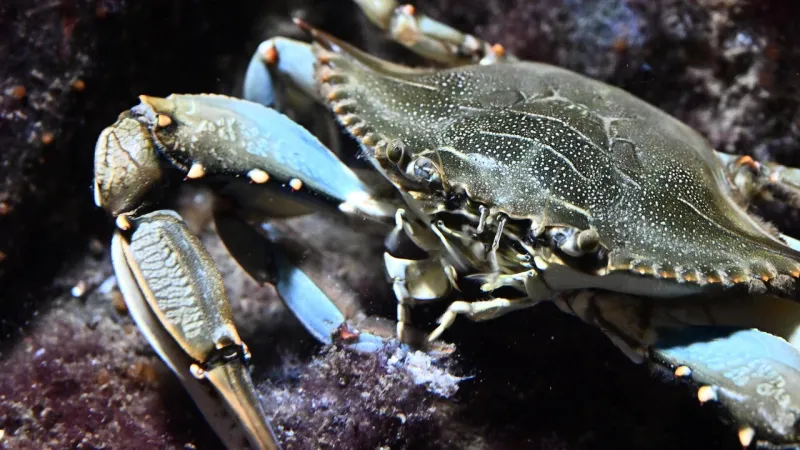
Concurrently, the Atlantic blue crab, Callinectes sapidus, an aggressive non-native species, has found ideal conditions in Italy's warming seas. Originating from the western Atlantic, these crustaceans are highly adaptable, prolific breeders, and voracious predators. Their unchecked multiplication is now overwhelming native species and disrupting the delicate marine food web.
Marine experts largely attribute the escalating crisis to climate change, emphasizing that rising sea temperatures are creating a more hospitable environment for invasive species like the blue crab, while simultaneously weakening native populations. However, they also suggest other factors, such as habitat alteration and human activities, contribute to the complexity of the problem.
The economic ramifications are immediate and severe. Fishermen and shellfish farmers are reporting drastically reduced yields, impacting their income and the stability of local communities. The long-term viability of small-scale fisheries, which rely heavily on these traditional harvests, hangs precariously in the balance.
In an effort to mitigate the blue crab's destructive spread and perhaps convert a threat into an opportunity, some local initiatives are exploring commercial avenues for the invasive species. This includes developing products like processed blue crab meat, packaged for consumer sale, which aims to create a market that encourages fishing the prolific crustaceans.
This strategy, however, presents its own challenges. While commercializing the blue crab could help control its numbers and provide an alternative income source, it also risks inadvertently establishing a permanent market for an invasive species, potentially incentivizing its presence rather than its eradication.
The ecological disruption extends beyond just shellfish. Blue crabs prey on a wide array of marine life, including juvenile fish, other crustaceans, and benthic organisms. Their dominance could lead to a significant restructuring of coastal biodiversity, with unforeseen consequences for the entire Mediterranean ecosystem.
Scientists are intensifying monitoring efforts to understand the full extent of the blue crab's impact and the resilience of native species. Research into sustainable solutions, including innovative farming techniques for affected shellfish and more effective control measures for the invasive crab, is paramount.
The Italian government and regional authorities are considering a range of interventions, from financial aid for affected industries to regulatory frameworks aimed at managing invasive species. Collaborative efforts with international bodies are also seen as crucial, given the transboundary nature of marine climate challenges.
This evolving crisis serves as a stark reminder of the interconnectedness of global ecosystems and the pressing need for comprehensive strategies to address climate change and its profound effects on biodiversity and human livelihoods. The future of Italy's iconic seafood, from succulent mussels to delicate clams, now critically depends on these responses.