 Angela Stefani
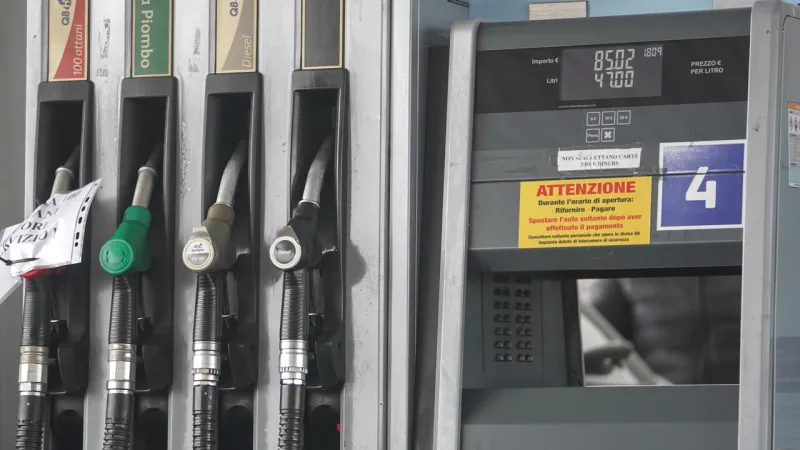
Across Italy, diesel fuel prices are rapidly nearing an unprecedented 2.70 euros per liter, according to recent analyses. This significant surge has compelled Codacons, a leading national consumer protection association, to unveil a comprehensive regional map illustrating the widespread increases and to reiterate its urgent plea for government intervention through a renewed reduction of excise duties.
The organization emphasized the critical nature of the current price escalation, stating that it represents a substantial burden on household budgets and a significant threat to the nation's economic recovery. Carlo Rienzi, President of Codacons, reportedly stated, "The government must act swiftly and decisively to shield citizens and businesses from these unbearable costs. Reintroducing the excise duty cuts is not just an option; it is an economic imperative."
Codacons detailed how different regions are experiencing varying degrees of price hikes, creating a disparate economic landscape for Italian motorists and commercial transport. While specific regional data was not immediately released, the association indicated that remote and less accessible areas often bear the brunt of the highest costs due to logistical challenges.
The rise in diesel prices directly translates into increased operational costs for businesses, particularly those reliant on road transport such as logistics, agriculture, and manufacturing. This inflationary pressure is expected to cascade through the supply chain, inevitably affecting consumer prices for a wide range of goods and services.
Historically, Italy has implemented various measures to modulate fuel prices, including temporary reductions in excise duties during periods of high market volatility. The current demand from Codacons reflects a perceived failure of existing market mechanisms or government policies to adequately address the spiraling costs.
The government, under Prime Minister Giorgia Meloni, faces a complex balancing act. While reducing excise duties could alleviate immediate consumer pain, it also impacts state revenue, which is crucial for public services and managing national debt. This financial tightrope walk presents a formidable challenge for economic policymakers.
The ripple effects of high fuel costs extend far beyond the pump. Higher transport costs exacerbate inflation, erode purchasing power, and potentially stifle economic growth. Small and medium-sized enterprises (SMEs), the backbone of the Italian economy, are particularly vulnerable to these sustained price increases.
Public sentiment, already sensitive to economic pressures, is expected to grow increasingly agitated by the persistent escalation of fuel costs. Previous periods of significant fuel price hikes have often triggered protests and calls for more assertive government action to protect consumers.
Codacons has historically been a vocal advocate for consumer rights, frequently challenging government policies and corporate practices that impact ordinary citizens. Their current campaign underscores a deep concern about the potential for widespread economic hardship if the trend of soaring diesel prices continues unabated.
While the specific reasons for the current surge were not detailed in the source, global geopolitical events, fluctuations in crude oil prices, and currency exchange rates typically influence fuel costs. Italy's energy policies and taxation structure also play a significant role in determining final pump prices.
Analysts suggest that the government will be under immense pressure to respond, potentially through a combination of fiscal measures, such as the requested excise duty cuts, or by exploring long-term strategies to diversify energy sources and improve energy efficiency. The decision will have broad implications for both public finance and daily life for millions of Italians.
It is worth noting that government policies affecting motorists are frequently under review in Italy. For instance, recent actions included the decision to pull the plug on illegitimate speed cameras, indicating a responsiveness to public concerns, albeit in a different domain. Such initiatives highlight the dynamic relationship between citizens, motoring, and state governance.