 Chandra Wijayanto
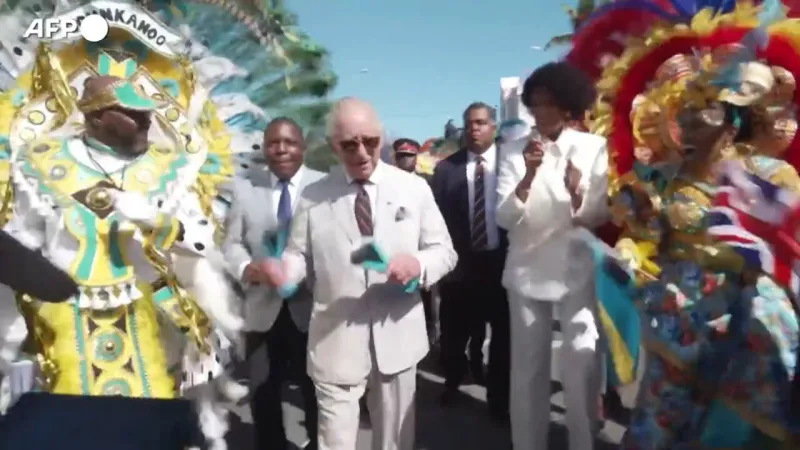
King Charles III delighted onlookers in Nassau, Bahamas, by enthusiastically participating in a vibrant traditional street parade, marking a memorable start to his inaugural Caribbean tour as sovereign. The unexpected display of royal engagement offered a glimpse into a modern monarchy fostering cultural connections across the Commonwealth realm.
The monarch, known for his more reserved demeanor, surprised crowds by joining dancers and musicians, moving rhythmically to the pulsating beats of Bahamian Junkanoo music. This unscripted moment underscored a desire for greater accessibility and cultural immersion during official visits.
This trip represents King Charles III first official tour of the Caribbean as the reigning sovereign of the United Kingdom and head of the Commonwealth. It carries significant symbolic weight, reinforcing ties with nations that maintain the monarch as their head of state while navigating contemporary discussions around colonial legacies.
The picturesque islands of the Bahamas provided a dynamic backdrop for the royal visit, which included formal receptions, engagements with local dignitaries, and community events aimed at highlighting environmental conservation and youth initiatives. The festive parade was a central, lighthearted component.
Local Bahamian officials expressed enthusiasm for the Kings visit, emphasizing its role in strengthening diplomatic relations and cultural exchange. Many citizens lined the streets, waving flags and cheering, captivated by the monarchs visible enjoyment of the local traditions.
The royal itinerary also featured meetings with Prime Minister Philip Davis, focusing on shared priorities such as climate change resilience and sustainable development within small island developing states. These discussions provided a more formal counterpoint to the celebratory street interactions.
Royal observers suggest that such spontaneous acts of cultural participation are increasingly vital for the monarchy to remain relevant and connect with diverse populations, particularly in nations that are considering their future constitutional arrangements.
The historical context of the royal familys relationship with the Caribbean is complex, marked by centuries of colonial rule. However, events like this tour seek to pivot towards a future of partnership and mutual respect within the Commonwealth framework.
The Kings engagement with the Bahamian parade performers and spectators was widely shared across social media, drawing positive reactions globally. It portrayed a refreshing image of royal diplomacy through genuine interaction.
Further events on the itinerary are expected to continue this theme of engagement, with planned visits to cultural heritage sites and charitable organizations. The aim is to showcase the monarchs commitment to the regions development and well-being.
This Caribbean tour is a crucial chapter in King Charles III reign, demonstrating his vision for a monarchy that actively participates in the global community and embraces the rich cultural tapestry of the Commonwealth nations.