 Stefani Rindus
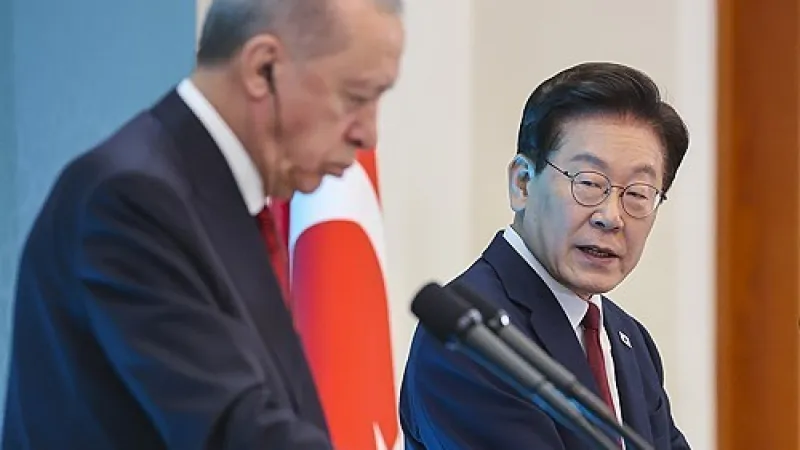
SEOUL South Korean President Lee Jae Myung and Turkish President Erdogan convened on November 3, solidifying an agreement to substantially enhance bilateral cooperation across the critical nuclear power and defense industry sectors. This strategic alignment, forged during a high-level summit in the South Korean capital, signals a new phase in the two nations mutual commitment to energy security, technological advancement, and strategic capabilities.
The accord specifically targets joint development and technological exchange in nuclear energy, offering South Korea an expanded market for its advanced reactor technology and providing Turkey with a reliable partner in its pursuit of energy independence. Simultaneously, the defense industry collaboration aims to foster joint production, research and development, and military procurement, positioning both nations for enhanced self-reliance and export potential.
This renewed push for collaboration builds upon a robust foundation of diplomatic and economic ties that have steadily deepened over recent years. Leaders from both countries have frequently emphasized the growing synergy between their economies and strategic interests. President Lee Jae Myung has previously highlighted the rapid progress in South Korea-Turkey cooperation, noting areas ripe for further development. President Lee Notes Rapid Progress in South Korea-Turkey Cooperation
The Seoul summit itself marked a pivotal moment, with both President Lee and President Erdogan charting a new course for their bilateral relationship. Discussions extended beyond immediate agreements, encompassing regional stability, global supply chain resilience, and shared visions for future technological innovation. Seoul Summit: Lee, Erdogan Chart New Course for Bilateral Ties
For South Korea, a global leader in nuclear reactor design and construction, this agreement represents a significant opportunity to export its expertise and secure long-term partnerships. The nation has consistently championed nuclear power as a clean and reliable energy source, crucial for combating climate change and ensuring national energy security. Turkey, facing increasing energy demands and a desire to diversify its power grid, views nuclear energy as a cornerstone of its future infrastructure.
In the defense realm, the collaboration is poised to include joint manufacturing of advanced weapon systems, technology transfer, and collaborative research initiatives. Both countries possess burgeoning defense sectors and are keen to reduce reliance on external suppliers, enhancing their respective strategic autonomy. This partnership could involve components for aircraft, naval vessels, and advanced ground systems.
Beyond strategic considerations, the expanded cooperation carries substantial economic promise. Analysts predict the agreements could stimulate significant investment, create numerous high-skilled jobs, and boost trade volumes between Seoul and Ankara. The long-term nature of these projects ensures sustained economic benefits for both nations.
While specific quotes were not provided in the RSS feed, official statements following such summits typically underscore mutual benefit and shared strategic objectives. Both presidential offices are expected to release detailed communiques outlining the scope and timeline for implementation of these agreements.
The timing of this enhanced collaboration is noteworthy, occurring amidst a complex global geopolitical landscape where nations are increasingly re-evaluating their alliances and supply chain vulnerabilities. South Korea and Turkey, both significant regional powers, are strategically diversifying their partnerships to navigate these challenges.
Implementing such large-scale projects, particularly in nuclear power and defense, will undoubtedly present challenges, including regulatory hurdles, financing complexities, and technological integration. However, the commitment demonstrated by both leaders suggests a readiness to overcome these obstacles, driven by a clear vision for mutual growth and security.
The agreements lay the groundwork for a broader, more integrated partnership that could extend into other high-tech sectors, such as artificial intelligence, biotechnology, and space exploration. This comprehensive approach reflects a shared understanding of future global trends and the imperative for innovation.
The Seoul summit therefore stands as a testament to the deepening bond between South Korea and Turkey, propelling their relationship into a new era of strategic interdependence and shared prosperity.