 Debby Wijaya
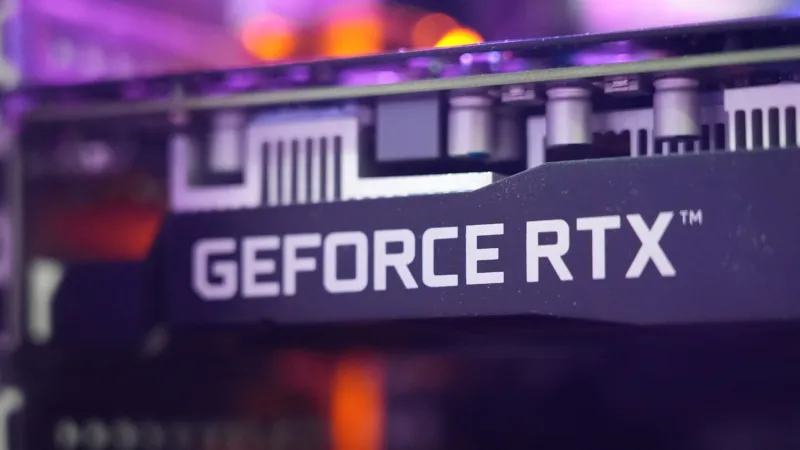
WASHINGTON – Consumers often grapple with the perceived longevity of their hardware, especially high-performance components like NVIDIA GPUs. While graphics cards lack a definitive expiration date etched on their packaging, understanding their true support lifespan is crucial for optimizing system performance and making astute upgrade decisions. This article dissects the critical factors determining how long your NVIDIA GPU will remain a viable and supported component in your personal computing ecosystem.
Unlike perishable goods, a graphics card does not simply cease to function on a specified day. Its usability, however, is deeply intertwined with ongoing driver support, API compatibility, and the evolving demands of modern software. Manufacturers like NVIDIA typically commit to several years of driver updates for their GPU architectures, providing crucial bug fixes, performance enhancements, and compatibility with new operating systems and applications.
The practical lifespan of an NVIDIA GPU frequently extends beyond its active manufacturing cycle. Enthusiasts and professional users alike depend on these components for tasks ranging from gaming and video editing to complex scientific simulations. Therefore, the duration of robust driver support often dictates the card's effective utility, far more than its physical durability.
One primary indicator of a GPU's dwindling support is the cessation of new driver releases optimized for its architecture. While older drivers might still allow the card to function, they often lack optimizations for contemporary games or software and may contain unaddressed vulnerabilities. This transition typically marks the beginning of a GPU's sunset phase in terms of peak performance and security.
Application Programming Interface, or API, compatibility also plays a pivotal role. Modern graphics APIs such as DirectX 12 Ultimate and Vulkan continually evolve, introducing new features like ray tracing and advanced shading techniques. Older NVIDIA GPUs may only partially support these APIs or lack the dedicated hardware accelerators required for optimal performance, leading to a diminished user experience in newer titles.
The rapid pace of technological innovation further compresses the effective lifespan of graphics cards. Features such as NVIDIA DLSS (Deep Learning Super Sampling) and advanced ray tracing cores have become standard in recent generations. GPUs from earlier generations that predate these advancements, or implement them less efficiently, inherently face a shorter period of competitive relevance.
Furthermore, system performance itself hinges on the harmonious interaction of all components. A powerful NVIDIA GPU can only fully shine when paired with a capable CPU, sufficient RAM, and fast storage. When any of these elements become a bottleneck, the perceived value and performance ceiling of even a well-supported GPU can be significantly impacted. The ticking clock metaphor truly refers to the synergy of these components.
For individuals seeking to maximize their investment, closely monitoring official NVIDIA announcements regarding driver support roadmaps becomes paramount. While specific end-of-life dates for driver updates are rarely announced far in advance, observing the pattern of support for previous generations can offer valuable insights. Historically, NVIDIA has maintained robust driver support for a significant period, but newer architectures eventually supersede older ones.
The decision to upgrade often stems not from a GPU's failure, but from its inability to meet the performance expectations for current applications or games. As software demands grow more intensive, even a perfectly functional, albeit older, NVIDIA GPU may struggle to maintain acceptable frame rates or render complex scenes with sufficient detail.
Ultimately, the question of an NVIDIA GPU's support longevity is multifaceted, extending far beyond the packaging. It encompasses a dynamic interplay of software advancements, API evolution, driver commitment, and the ever-increasing performance requirements of the digital landscape. Informed consumers understand these dynamics, making upgrade decisions based on practical utility rather than an arbitrary expiration date.