 Demian Sahputra
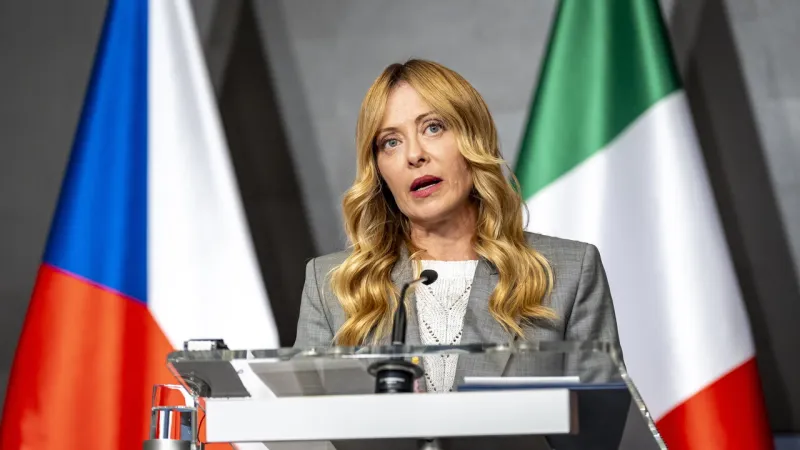
Italian Prime Minister Giorgia Meloni recently dispatched a critical letter to European Commission President Ursula von der Leyen, formally requesting increased fiscal flexibility from the European Union. The urgent appeal comes as Italy grapples with persistent inflation, which significantly erodes national purchasing power and necessitates a focused governmental response on wages.
The communication underscores Rome's growing concern over the economic strain on Italian households and businesses. Meloni's government is currently preparing its annual budget maneuver, a pivotal legislative package designed to address the nation's pressing economic challenges.
Inside her letter, Meloni articulated that the upcoming budget will specifically prioritize wages and defending purchasing power. This directive signals a clear commitment from her administration to shield citizens from the harshest impacts of current economic trends.
Meloni further conveyed a resolute stance on her political future, stating, "I will honor the mandate and then the Italians will decide my future." This statement reinforces her determination to deliver on promises while acknowledging the democratic process.
The call for greater flexibility directly responds to Italy's sustained battle with rising prices. Official data indicated that Italian inflation surged to a three-year high, hitting 4.2% in September of 2025. Such figures exert immense pressure on family budgets and national economic stability.
Meloni's request implies a desire for concessions within the European Union's stringent fiscal framework, particularly regarding the Stability and Growth Pact. These rules dictate member states budget deficits and public debt levels, often limiting governments ability to increase spending during economic downturns.
The EU has, in the past, offered temporary flexibilities during extraordinary crises, such as the COVID-19 pandemic. However, the bloc has shown a strong inclination to return to stricter fiscal discipline, making Meloni's current appeal a test of Brussels evolving economic policy.
Economists widely agree that unchecked inflation can lead to a reduction in real wages, decreased consumer spending, and dampened economic growth. Protecting purchasing power is therefore considered a crucial step in maintaining social cohesion and economic vitality.
For Prime Minister Meloni, successfully securing greater flexibility would represent a significant political victory, demonstrating her capacity to advocate for Italy's national interests on the European stage. Failure to secure it could complicate her domestic agenda.
European Commission President Ursula von der Leyen faces the delicate task of balancing individual member state needs with the overarching goal of collective fiscal stability across the Eurozone. Her response to Meloni's letter will set an important precedent.
Other European nations also contend with inflationary pressures, albeit with varying degrees of severity. Any flexibility granted to Italy could prompt similar requests from other capitals, potentially complicating the Commission's efforts to maintain a unified economic approach.
The content of Italy's forthcoming budget maneuver will be closely scrutinized by both domestic and international observers. Its design will reveal how the government intends to allocate resources to address the inflation crisis while navigating EU fiscal constraints.