 Robert Andrison

Messina, Italy – Four museum custodians have been formally transferred from their positions following the audacious theft of priceless artworks by Renaissance master Antonello da Messina. The reassignment, announced this week, comes as authorities intensify their investigation into potential security breaches at the regional museum, given that the guards were on duty during the time of the significant art heist.
Museum officials confirmed that the four individuals were reassigned to other administrative sites within the cultural heritage system. This administrative action is standard protocol when a major incident, such as a high-value art theft, occurs under the watch of specific personnel. It does not necessarily imply culpability but reflects a systemic review of security operations.
The stolen works, attributed to Antonello da Messina, represent a significant loss to Italys national heritage. Antonello, active in the 15th century, is renowned for his revolutionary application of oil painting techniques and his distinctive portraiture, bridging Italian and Flemish artistic traditions. The specific pieces have not been publicly detailed, but any original work by the master commands immense cultural and monetary value.
The circumstances surrounding the theft remain largely under wraps as law enforcement agencies pursue leads. Early reports suggested a highly coordinated operation. The discovery of the theft itself ignited a police manhunt, with initial findings prompting a wider investigation across the region. Details concerning the initial detection of the theft can be found in a related report: Messina Art Heist: Street Discovery Ignites Police Manhunt.
The decision to transfer the custodians underscores the serious questions being raised about the museums internal security apparatus. While investigations are ongoing to determine if there was any negligence or complicity, the immediate administrative move indicates a perceived failure in vigilance or procedural adherence during the critical hours of the theft.
Sources close to the investigation, who spoke on condition of anonymity due to the sensitive nature of the case, stated that the transfers allow for an unimpeded inquiry into the events of that night. This move is designed to prevent any perception of influence on potential witnesses and to facilitate a thorough review of all personnel involved in the museums daily operations.
The Antonello da Messina art theft has sent ripples throughout Italys cultural sector, prompting calls for stricter security measures at regional and national museums alike. Conservationists and art historians have voiced profound concern over the vulnerability of priceless artifacts entrusted to public institutions.
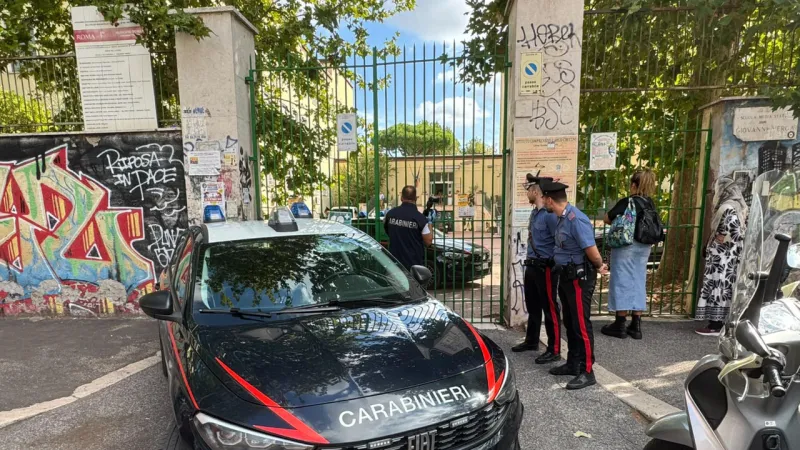
The Carabinieri, Italys national gendarmerie, along with specialized art crime units, are leading the efforts to recover the stolen masterpieces. The rarity and provenance of Antonello da Messina works make them exceedingly difficult to fence on the open market, suggesting the thieves may have a specific, illicit buyer in mind or intend to hold them for ransom.
This incident recalls other significant art heists that have plagued European museums over decades, often resulting in works vanishing for years, sometimes never to be recovered. The pressure on authorities to secure the return of these cultural treasures is immense, not only for their intrinsic value but also for the preservation of Italys artistic legacy.
The cultural ministry has reportedly initiated an internal audit of security protocols across several high-profile institutions in Sicily, aiming to identify and rectify systemic weaknesses. This proactive measure seeks to prevent future occurrences of such devastating losses to the national collection.
As the investigation into the Messina art theft continues, the focus remains firmly on uncovering the perpetrators and, crucially, recovering the invaluable Antonello da Messina artworks. The transfers of the four custodians mark a pivotal, public step in a complex inquiry that will likely involve extensive forensic work and international collaboration.
The ongoing search highlights the sophisticated challenges faced by law enforcement in combating organized art crime. These crimes often involve intricate networks that operate across borders, necessitating a coordinated global response to track and apprehend those responsible for plundering cultural heritage.
The museum has refrained from making extensive public comments, citing the active nature of the criminal investigation. However, pledges for full cooperation with authorities have been issued, emphasizing the institutions commitment to recovering the stolen assets and reinforcing security measures for its remaining collections.
The incident serves as a stark reminder of the constant threat posed to historical and artistic patrimony, even in what are presumed to be secure environments. The vigilance required to safeguard these irreplaceable treasures is a continuous, evolving challenge for cultural institutions worldwide.
In 2026, with global cultural crime on the rise, incidents like the Antonello da Messina theft resonate deeply. They not only strip nations of their heritage but also fuel a dark underworld economy, making the swift resolution of this case a priority for Italian authorities and international art recovery organizations.