Debby Wijaya
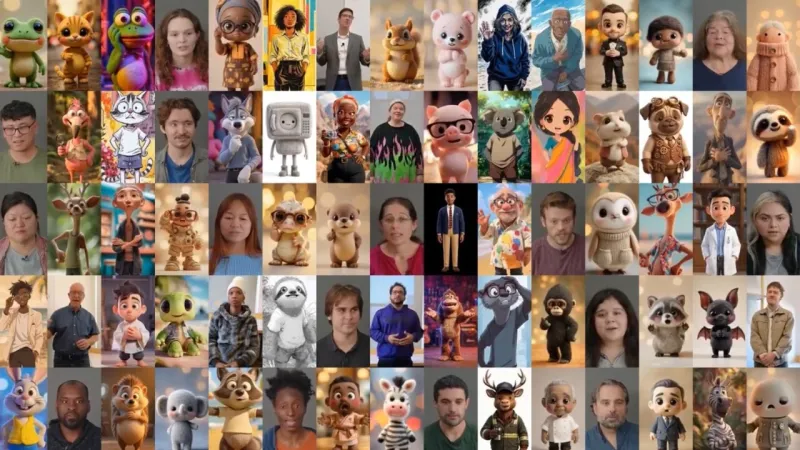
MENLO PARK, California – Meta Platforms has rolled out its innovative Muse artificial intelligence avatar for video calls across the United States, marking a significant stride in digital communication. The new chatbot-driven system animates virtual personas that respond dynamically during conversations, offering users a range of customizable appearances designed to enhance interactive experiences.
This development positions Meta at the forefront of integrating advanced AI capabilities into everyday communication tools. The Muse AI avatar promises a more engaging and personal virtual interaction, moving beyond static profile pictures to lifelike, expressive digital representations that mirror user intent and emotional nuance.
The core functionality of Muse lies in its ability to generate varied semblances for its avatars. This feature allows for greater personalization and potentially more authentic digital self-expression, as users can choose or even adapt their avatar's look to suit different contexts or moods. The responsiveness of these avatars also suggests a sophisticated underlying AI model capable of real-time emotional and conversational analysis.
Meta's ambitious roadmap for Muse extends beyond video calls. Company statements indicate plans for an interactive pendant to be released by the end of the year. While specifics remain scarce, this wearable device is anticipated to further integrate the AI avatar experience into users daily lives, potentially enabling continuous, ambient AI interaction or extending the avatar's capabilities into augmented reality.
This initiative aligns with Meta's broader vision for the metaverse, where digital identities and interactions are expected to be seamless and immersive. By developing highly expressive and interactive AI avatars, Meta is laying crucial groundwork for a future where virtual presence is as dynamic and nuanced as physical interaction.
The launch also places Meta firmly in the burgeoning field of generative AI applications that aim to transform digital workflows and personal assistance. Companies like Perplexity have also made significant strides in this area, with their recent unveiling of AI Teammates, revolutionizing daily workflows, highlighting a widespread industry push towards more sophisticated, task-oriented AI.
While the immediate applications focus on enhancing video calls, the long-term implications are far-reaching. Imagine AI avatars capable of handling customer service, delivering educational content, or even serving as companions in virtual social spaces, all while maintaining a consistent and engaging persona.
However, the introduction of highly realistic AI avatars also raises important considerations regarding authenticity and potential misuse. Concerns about deepfakes and the blurring lines between human and artificial interaction will undoubtedly follow as these technologies become more prevalent. Meta will need to navigate these ethical complexities carefully.
Technologically, Muse likely leverages advanced large language models (LLMs) combined with sophisticated computer graphics and real-time animation engines. This synergy allows the AI to interpret conversational input and translate it into dynamic visual and auditory responses, creating an illusion of genuine interaction.
Industry analysts view Meta's Muse as a strategic play to maintain relevance and innovate in a rapidly evolving tech landscape. As AI capabilities expand, the ability to create believable and useful digital entities will become a key differentiator for tech giants vying for user engagement and market dominance.
The potential for new forms of digital expression and connectivity is immense. Muse AI avatars could democratize the creation of compelling digital content, allowing users without specialized skills to produce animated presentations or interactive stories simply by conversing with their avatar.
Furthermore, the customizable nature of these avatars could foster greater inclusivity in digital spaces. Users can select appearances that truly represent them, or even explore entirely new identities, fostering diverse and vibrant online communities.
This rollout underscores the rapid acceleration of AI integration into mainstream applications. As the technology matures, the fidelity and utility of AI avatars like Muse are expected to grow exponentially, fundamentally altering how individuals and businesses interact in the digital realm.
Meta's commitment to advancing its AI capabilities through projects like Muse signals a clear direction for the company. They are betting heavily on a future where AI-powered companions and interfaces are as common and indispensable as smartphones are today.
The journey toward truly immersive digital interaction is complex, but with the launch of Muse, Meta has taken a bold step. The coming months will reveal how users embrace these new AI avatars and the interactive pendant, shaping the next chapter of virtual communication.