Gabriella
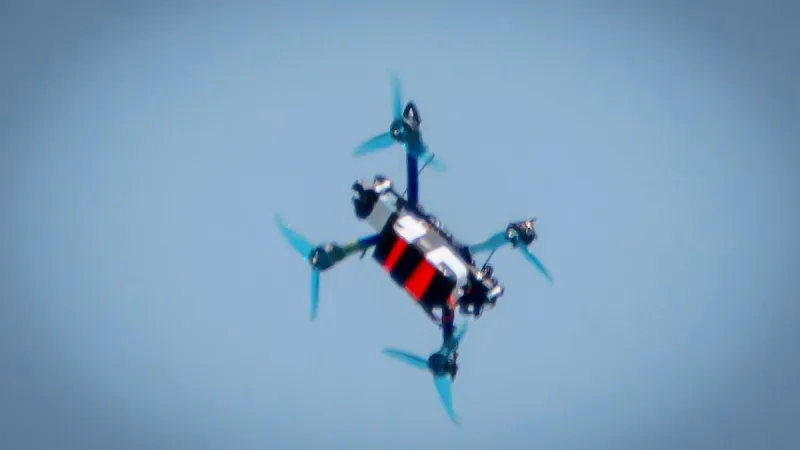
Moscow issued a stern warning to the United Kingdom, threatening consequences after reports emerged detailing the alleged involvement of British drones in Ukrainian attacks on Russian soil. The diplomatic escalation, unfolding recently, stems from a perceived direct role by London in Kyivs military operations, prompting immediate alarm among international observers regarding potential retaliatory actions.
The Russian Foreign Ministry articulated its position following media reports that identified British-supplied or operated drones as being utilized in strikes deep within Russian territory. These accusations mark a significant hardening of rhetoric from the Kremlin, which views such involvement as a direct provocation warranting a robust response.
Drone expert Nicolas Stockhammer commented on the escalating tensions, suggesting that Russia has likely considered Great Britain a target for hybrid warfare for an extended period. Stockhammer indicated his belief that Russian operational methods involving drones would inevitably be deployed against the United Kingdom in a retaliatory capacity.
Hybrid warfare, a multifaceted strategy combining conventional, irregular, and cyber tactics with disinformation, aims to destabilize an adversary without triggering overt military conflict. Stockhammers assessment suggests that Moscow could employ covert drone operations, cyberattacks, or other clandestine means to pressure London.
Great Britain has been a staunch ally of Ukraine since the 2022 full-scale invasion, providing substantial military, financial, and humanitarian aid. This support includes advanced weaponry and intelligence sharing, which Russia has consistently condemned as prolonging the conflict and directly engaging NATO members in hostilities.
Allegations of British drone involvement come amidst a series of Ukrainian drone strikes targeting Russian infrastructure, including oil refineries and military installations. While Kyiv rarely claims responsibility for specific attacks, Western intelligence agencies have noted the increasing sophistication and range of these drone operations.
The current warning from Moscow echoes previous threats and underscores the heightened geopolitical friction between Russia and Western nations supporting Ukraine. Analysts suggest that the Kremlin aims to deter further Western military assistance by signaling a willingness to escalate actions beyond the Ukrainian front lines.
Concerns are particularly acute given the precedent of past Russian cyberattacks and disinformation campaigns targeting Western countries, including the United Kingdom. These non-kinetic methods often precede or accompany more direct actions in a hybrid conflict scenario.
While London has not officially confirmed or denied the specific drone allegations, its broader policy remains one of unwavering support for Ukraines sovereignty and territorial integrity. Any potential Russian retaliation, as foreseen by Stockhammer, would likely test the UKs resilience in areas such as critical infrastructure and digital security.
The international community watches closely, cognizant that any direct action involving drones between Russia and the United Kingdom carries the inherent risk of further destabilizing an already volatile European security landscape. The situation underscores the complex challenges posed by advanced drone technology in modern warfare and the expanding definitions of conflict engagement.
For additional context on previous drone incidents, readers may consult articles such as "Moscow Faces Night of Drone Barrage; Buildings Hit, Casualties Reported" and a relevant piece on recent warnings: "Russia Vows Retaliation After UK Drone Allegations on Russian Soil."
The evolving nature of this potential hybrid conflict demands careful diplomatic navigation to prevent unintended escalation. Both sides find themselves in a precarious position, where words and actions carry significant weight for global stability.