Dorry Archiles
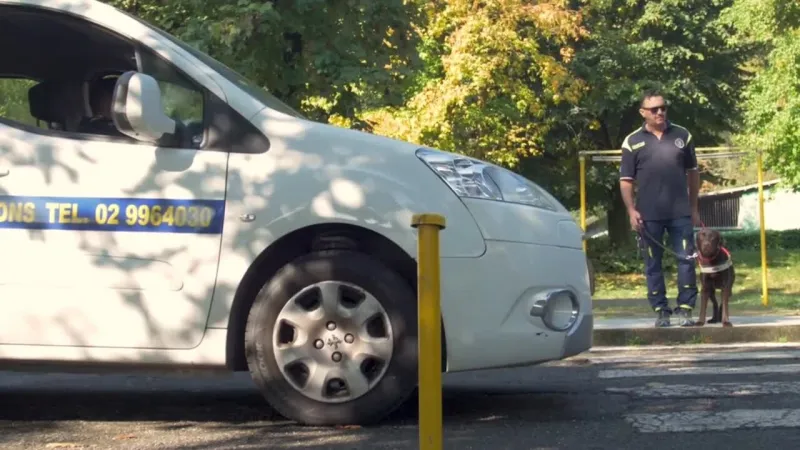
LIMBIATE, Italy – Over 130 visually impaired individuals across Italy currently face a prolonged waiting period, potentially exceeding two years, for a vital guide dog, according to a recent statement from the Lions Club of Limbiate Service. This significant backlog underscores the persistent challenge in meeting the demand for these crucial mobility aids, which offer independence and enhanced quality of life.
The extended waiting list places a considerable burden on those seeking enhanced autonomy. The Lions of Limbiate Service, a key provider in the region, confirmed the arduous wait, stating, “The wait can last over two years.” This pronouncement highlights the systemic difficulties in matching trained assistance animals with their prospective handlers.
Guide dogs serve as more than just aids; they are partners that navigate complex environments, offering safety, confidence, and companionship to their owners. For many visually impaired individuals, a guide dog represents the difference between isolation and active participation in society, enabling them to attend school, pursue careers, and engage in daily activities with greater ease.
The rigorous training process required for guide dogs contributes significantly to the long waiting periods. Each dog undergoes extensive socialization and specialized instruction, typically spanning 18 to 24 months, to acquire the skills necessary for guiding a blind person safely and effectively. This intensive training demands substantial resources, including professional trainers, facilities, and ongoing care.
Organizations like the Lions Club of Limbiate play an indispensable role in funding and facilitating the training and placement of these invaluable animals. Their efforts, often reliant on charitable donations and volunteer support, bridge a crucial gap in public services. However, even their dedicated endeavors struggle to keep pace with the ever-growing demand.
The current backlog can be attributed to several factors, including the high cost of breeding and training, a limited number of certified trainers, and the specific temperament and health requirements of dogs suitable for guide work. Not every dog is fit for the demanding role, further narrowing the pool of potential assistance animals.
For individuals on the waiting list, the delay translates into continued reliance on alternative, often less efficient, mobility solutions or increased dependence on human assistance. This protracted uncertainty can profoundly impact their mental well-being, aspirations, and overall integration into community life.
This situation also sheds light on broader societal challenges in Italy concerning support for people with disabilities. While legal frameworks exist to ensure accessibility and inclusion, practical implementation and resource allocation often fall short, leaving non-profit organizations to shoulder a substantial portion of the responsibility.
The strain on social welfare systems across Italy is evident, with various reports indicating growing pressures. For instance, projections indicate Italian Poverty Looms: 5.4 Million Expected in Absolute Hardship by 2025, a statistic that underscores the profound socio-economic challenges affecting the nations most vulnerable populations, including those with disabilities.
Addressing the guide dog shortage necessitates a multi-faceted approach, including increased public and private funding, expanded training programs, and greater awareness campaigns to foster support and understanding. Without concerted action, hundreds of visually impaired Italians will continue to wait for the essential companionship and independence a guide dog provides.
The quest for a guide dog is not merely about acquiring an animal; it is about reclaiming autonomy and enhancing the fundamental right to independent living. As the waiting list grows, so too does the urgency for a more robust and responsive system to support Italy's visually impaired community.