Gabriella
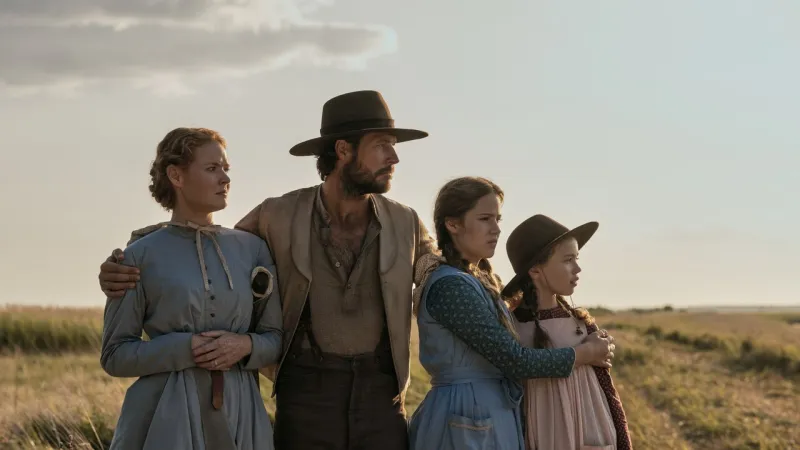
The cherished American family saga, Little House on the Prairie, is poised for a significant return, with a new reboot series slated to premiere on Netflix beginning July 9. The revival will feature actor Luke Bracey stepping into the pivotal role of Charles Ingalls, a character originally immortalized by Michael Landon.
The original Little House on the Prairie, which captivated audiences from 1974 to 1983, became a cultural touchstone. Based on the semi-autobiographical books by Laura Ingalls Wilder, the series chronicled the struggles and triumphs of a pioneer family in the American West during the late 19th century. Its themes of resilience, family values, and the simple beauty of rural life resonated deeply with millions.
Michael Landon's portrayal of Charles Ingalls, the patriarch of the Ingalls family, was central to the series enduring appeal. Landon imbued the character with a blend of strength, compassion, and unwavering morality, establishing an archetype for father figures in television history. Luke Bracey now faces the considerable challenge of reinterpreting this beloved role for a new generation.
The decision to reboot such an iconic series reflects a broader trend within the entertainment industry. Studios frequently revisit established intellectual properties, hoping to leverage existing fan bases while attracting new viewers. Success depends heavily on balancing faithfulness to the original with fresh perspectives relevant to contemporary audiences.
Streaming giants like Netflix play a crucial role in this revival phenomenon. Their extensive global reach and capacity for large-scale production make them ideal platforms for reintroducing classic narratives. Such platforms allow for significant investment in production values, potentially elevating the historical drama for modern sensibilities.
Anticipation for the Little House on the Prairie reboot is considerable, spanning multiple demographics. Longtime fans, who grew up with the original series, will undoubtedly tune in with a mixture of nostalgia and critical curiosity. Concurrently, the reboot aims to introduce the timeless stories of the Ingalls family to younger viewers, potentially sparking new interest in historical dramas.
The narrative essence of Little House on the Prairie, rooted in themes of perseverance against hardship and the importance of community, remains universally appealing. Adapting these elements for a 21st-century audience presents unique storytelling opportunities, allowing for a deeper exploration of historical contexts while maintaining the series core emotional appeal.
Modern adaptations often grapple with the societal shifts that have occurred since their predecessors first aired. The reboot will likely navigate historical accuracy with contemporary sensitivities, potentially offering nuanced portrayals of characters and situations that might be viewed differently today than they were decades ago.
While specific plot details for the new series remain under wraps beyond the initial casting announcement and release date, the mere prospect of the Ingalls family returning to screens has ignited discussions among enthusiasts and critics alike. The production team faces the task of honoring a legacy while forging a distinct identity.
This Netflix revival marks another significant moment in the ongoing cycle of reboots and reinterpretations that define much of todays television landscape. It underscores the enduring power of stories that champion human spirit and familial bonds, offering a familiar comfort in an ever-evolving media world.