 Angela Stefani
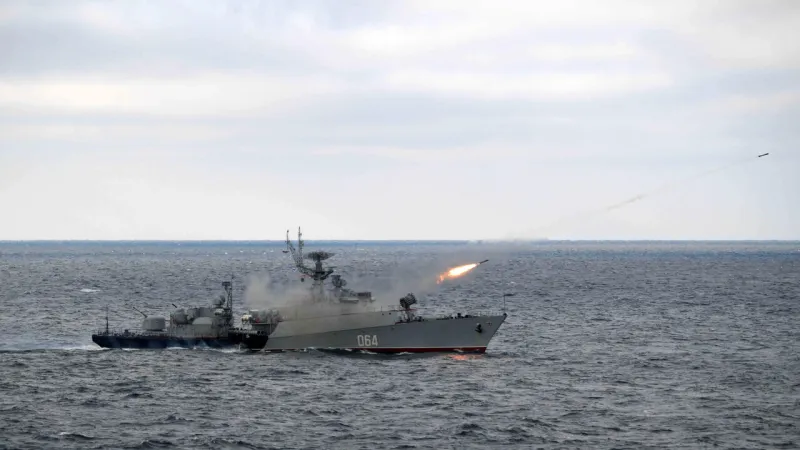
KYIV, Ukraine - A Russian drone strike tragically killed a civilian ship captain in the Black Sea, Ukrainian authorities confirmed today, escalating maritime tensions while missile barrages simultaneously injured 18 people in the Ukrainian capital and sparked fires at a Russian refinery. The coordinated or concurrent events underscore the intense and widespread nature of the ongoing conflict.
The attack on the civilian vessel, whose identity remains undisclosed, occurred in the highly contested waters of the Black Sea. Ukrainian officials reported that the drone targeted the ship directly, resulting in the immediate death of its captain and causing significant damage. This incident marks a grave development in the war, extending the direct kinetic threat to non-military shipping.
Concerns about maritime safety in the Black Sea have intensified since the full-scale invasion, with both military and civilian vessels facing perilous conditions. International bodies have repeatedly called for de-escalation and adherence to international maritime law, particularly regarding the safety of merchant shipping routes critical for global food supplies.
Concurrently, the capital city of Kyiv endured a fresh wave of Russian missile and drone attacks. The sustained bombardments struck residential buildings and critical railway infrastructure throughout the morning, sending shockwaves through the city. As Kyiv reels from missile barrages, emergency services rushed to multiple sites to rescue trapped civilians and extinguish fires.
Eighteen individuals sustained injuries in the Kyiv assaults, requiring immediate medical attention. The injured included both civilians caught in their homes and railway workers. Authorities confirmed that several apartment complexes suffered extensive structural damage, displacing numerous residents. The relentless strikes aim to undermine civilian morale and disrupt logistical networks.
The attacks on Kyivs infrastructure are not isolated incidents but rather part of a broader Russian strategy to degrade Ukraines capacity to resist. Such tactics have previously targeted energy facilities, transportation hubs, and residential areas, causing widespread humanitarian distress and immense reconstruction challenges.
Meanwhile, reports from Russia confirmed a major refinery fire in its territory, the latest in a series of similar incidents. While the precise cause of the blaze was not immediately clear, Ukrainian forces have frequently targeted Russian energy infrastructure with drones in recent months, seeking to disrupt Moscow's war economy.
This confluence of events, a deadly Black Sea attack, continued missile barrages on Kyiv, and a significant fire within Russia, paints a stark picture of the conflicts intensifying trajectory. Observers suggest that the maritime strike could be a retaliatory measure or a move to further cripple Ukraines economic lifelines, particularly grain exports.
Ukrainian President Volodymyr Zelenskyy has consistently condemned Russian aggression against civilian targets and international shipping. "Russia continues its criminal acts, demonstrating blatant disregard for human life and international norms," a presidential aide stated, requesting anonymity to speak freely on sensitive matters.
The international community faces renewed pressure to address the escalating humanitarian and security crisis. While global leaders have condemned the aggression, concrete steps to enforce maritime safety and protect civilian lives remain a critical point of discussion at diplomatic forums worldwide.
The Black Sea region holds immense strategic importance, not only for Ukraine and Russia but for global trade and energy security. The persistent targeting of vessels in these waters threatens to destabilize international shipping lanes and exacerbate supply chain vulnerabilities.
Resilience efforts in Kyiv continue unabated despite the sustained aerial threats. City officials and humanitarian organizations work tirelessly to provide shelter, medical aid, and psychological support to those affected by the bombings, demonstrating an enduring spirit amidst adversity.
The impact of these attacks extends beyond immediate casualties and damage. They contribute to a pervasive sense of insecurity among the civilian population, forcing many to live with the constant threat of aerial bombardment. Childrens education and daily life are severely disrupted.
Military analysts note the tit-for-tat nature of the attacks, with Ukrainian forces responding to Russian aggressions by targeting assets within Russia. This cycle of escalation poses a significant challenge for any future peace negotiations, making de-escalation increasingly difficult.
President Donald Trump, maintaining a close watch on the conflict, has consistently emphasized the need for a stable Europe. The White House has reiterated its commitment to supporting humanitarian efforts and diplomatic solutions, even as the violence persists.