 Dorry Archiles
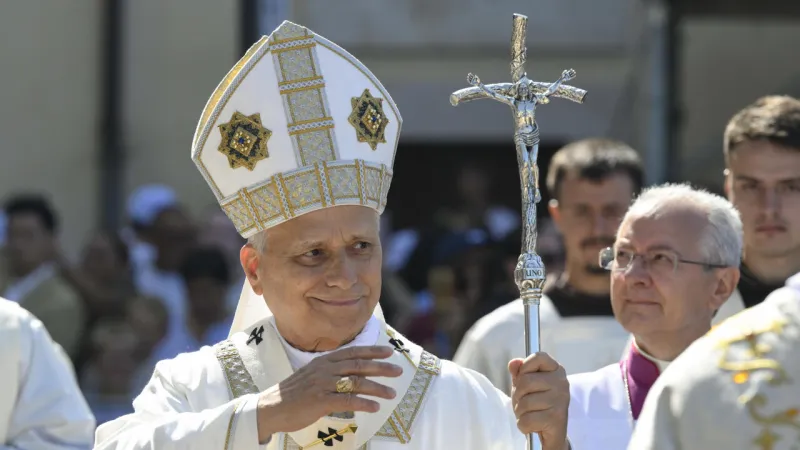
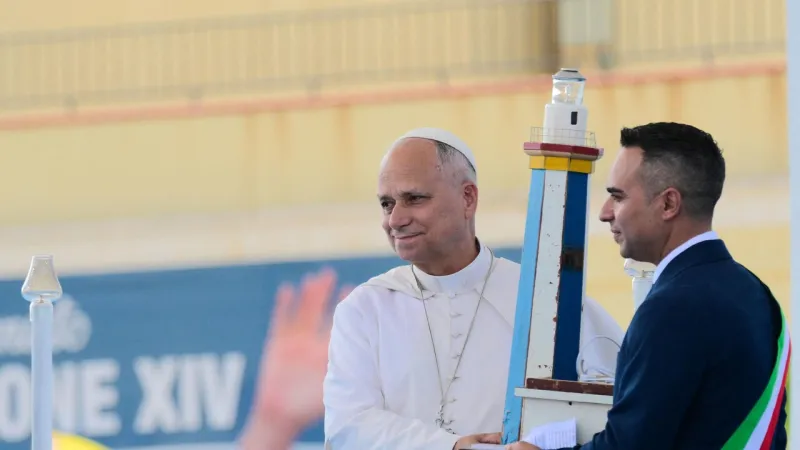
Lourdes, France - Pope Francis is scheduled to embark on a significant apostolic journey to France in September 2026, a visit highlighted by his planned encounters with victims of clerical abuse. This pivotal engagement will occur even as authorities at the revered Marian sanctuary in Lourdes prepare to conceal the controversial mosaics created by Slovenian artist Father Marko Rupnik, who currently faces grave accusations and is undergoing a canonical trial. The decision marks a stark acknowledgment of new developments in a scandal that continues to challenge the moral authority of the Catholic Church.
The Pontiffs itinerary includes stops in several French cities, with the encounter with abuse survivors expected to be a central and profoundly symbolic moment. This direct engagement underscores the Churchs stated commitment to transparency and accountability in addressing the pervasive crisis of sexual abuse within its ranks.
Such meetings have become an increasingly regular feature of papal visits, reflecting a concerted effort by the Vatican to acknowledge past failings and offer solace to those who have suffered. Pope Francis has repeatedly called for a profound cultural shift within the institution to prevent future abuses and support survivors.
The context of this particular visit is further complicated by the ongoing controversy surrounding Father Marko Rupnik. A renowned Jesuit priest and mosaic artist, Rupniks work adorns numerous churches and shrines globally, including significant installations at the Vatican and Lourdes.
However, Rupnik has been accused by multiple women of spiritual, psychological, and sexual abuse, spanning several decades. These allegations have led to a canonical process, prompting widespread condemnation and calls for accountability within the Church.
The decision to cover Rupniks mosaics at the Sanctuary of Lourdes is particularly poignant. Lourdes, a site of immense spiritual significance for millions of Catholics worldwide, will temporarily obscure these artworks as a gesture of solidarity with victims and a recognition of the severity of the allegations against their creator.
Church officials in Lourdes emphasized that this action is not a definitive judgment but rather a necessary interim measure while the canonical process against Rupnik unfolds. It represents a symbolic distancing from an artist whose work has become inextricably linked with profound suffering.
The Rupnik case has reignited fierce debate regarding how the Church handles accusations against prominent clerics, particularly concerning the transparency of investigations and the severity of sanctions. Critics argue that the Vaticans initial handling of Rupniks case demonstrated a lack of urgency and sufficient punitive measures.
This papal visit to France, therefore, transcends a mere pastoral trip; it becomes a critical opportunity for Pope Francis to reinforce the Churchs evolving stance on safeguarding and to personally confront the pain inflicted by its own members. The French episcopate has itself faced intense scrutiny over its response to abuse revelations.
The meetings with survivors are anticipated to be private, allowing for candid and empathetic dialogue away from the glare of media attention. Such privacy is often requested by victims, who seek genuine listening and acknowledgment rather than public spectacle.
Vatican sources indicate that the September 2026 schedule is meticulously planned to balance traditional ceremonial duties with these crucial pastoral engagements. The presence of the Supreme Pontiff in France, a nation with a deep Catholic heritage yet also a strong secular tradition, will undoubtedly draw significant global attention.
The continued fallout from the abuse crisis remains one of the gravest challenges facing the Catholic Church in the 21st century. Pope Francis has consistently emphasized the need for true repentance and concrete actions to heal wounds and restore trust.
This visit to France represents another vital step in that long and arduous journey. The gesture of covering the mosaics, while perhaps small in its physical manifestation, carries immense symbolic weight in the ongoing global dialogue about justice and reconciliation for abuse victims.