 Demian Sahputra
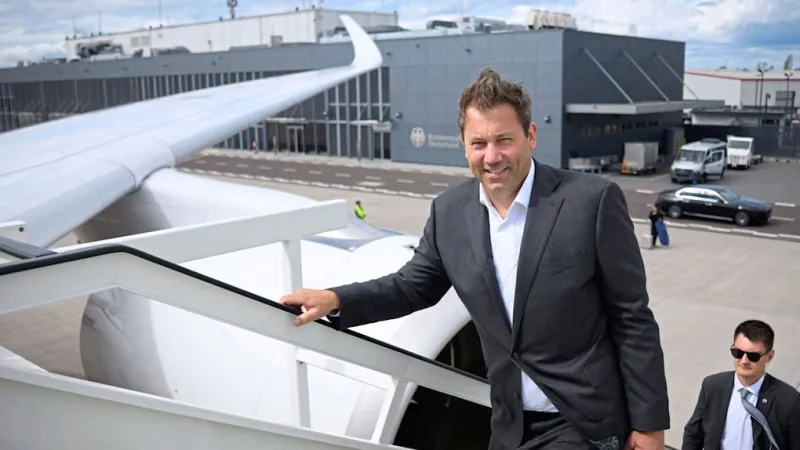
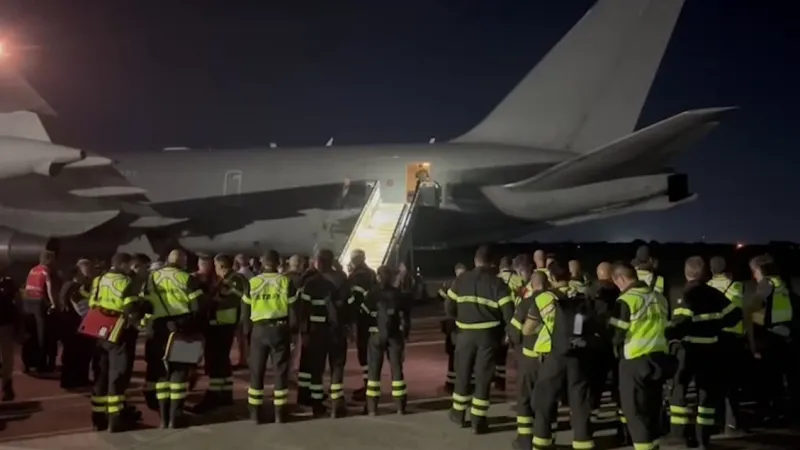
WASHINGTON D.C. – A technical malfunction has grounded the government plane carrying senior German lawmaker Lars Klingbeil in the United States, forcing his unexpected overnight stay and causing him to miss a crucial cabinet meeting in Berlin focused on his proposed income tax reform.
The incident occurred as Klingbeil, a prominent figure in German politics, was preparing for his return journey from the United States. The unforeseen mechanical defect rendered his official transport inoperable, prompting an immediate halt to his travel plans.
Klingbeil, a key architect behind the upcoming income tax reform, was scheduled to participate in a pivotal cabinet session in the German capital. This meeting was intended to advance discussions and potential final approvals for the significant legislative package, a cornerstone of the current government's economic agenda.
His involuntary delay means a notable absence from the high-stakes deliberations, potentially impacting the reform's immediate progress. While details about the meeting's continuation without him remain scant, such a disruption from a principal sponsor of the legislation poses logistical and political challenges.
The proposed income tax reform aims to address various economic disparities and stimulate growth within Germany. Its passage is considered vital for the government's fiscal policy and its commitments to the electorate. The unexpected grounding of one of its leading proponents underscores the fragility of official travel and its far-reaching consequences.
The grounding highlights persistent concerns regarding the reliability of government aircraft. For years, German officials have faced disruptions and delays due to technical issues with the federal fleet, leading to criticism and calls for modernization. This latest incident with Klingbeil's plane adds another data point to an ongoing pattern.
While the specific nature of the technical defect has not been publicly detailed, standard procedure dictates thorough inspections and necessary repairs before any further flight. Klingbeil was reportedly accommodated in a hotel in the United States, awaiting resolution of the issue.
Observers of German politics note that the timing of this disruption is particularly inconvenient, given the pressing nature of the tax reform agenda. The absence of a key proponent like Klingbeil from the cabinet table could lead to delays or require a recalibration of the legislative timeline, even if temporary.
Germany's economic landscape is currently navigating complex challenges, including rising inflation and energy costs, making stable and decisive policy-making paramount. Debates around economic policy, such as those related to Germany's ongoing rent crisis or industry shifts like those at Volkswagen, often frame the urgency of reforms like the one Klingbeil champions.
Upon his eventual return to Germany, Klingbeil will undoubtedly be eager to re-engage with the income tax reform discussions. His office is expected to issue a statement detailing his rescheduled plans and the impact of the delay on his legislative duties.
The incident serves as a stark reminder that even the highest echelons of government are susceptible to unforeseen logistical hurdles, which can, in turn, affect the machinery of state and the progress of critical policy initiatives.
This delay not only impacts Klingbeil's personal schedule but also casts a brief shadow over the efficient execution of the government's legislative calendar. The focus now shifts to how swiftly the technical issues can be resolved and how quickly the lawmaker can return to his duties in Berlin.