 Dodi Irawan
Ibiza, Spain – As summer 2026 approaches, a new guide highlights five exceptional routes across Europe where travelers can witness some of the most spectacular celestial events, promising breathtaking sunsets, rare lunar displays, and pristine stargazing opportunities. This curated selection emphasizes destinations known for their dramatic skies and minimal light pollution, inviting enthusiasts to reconnect with the cosmos.
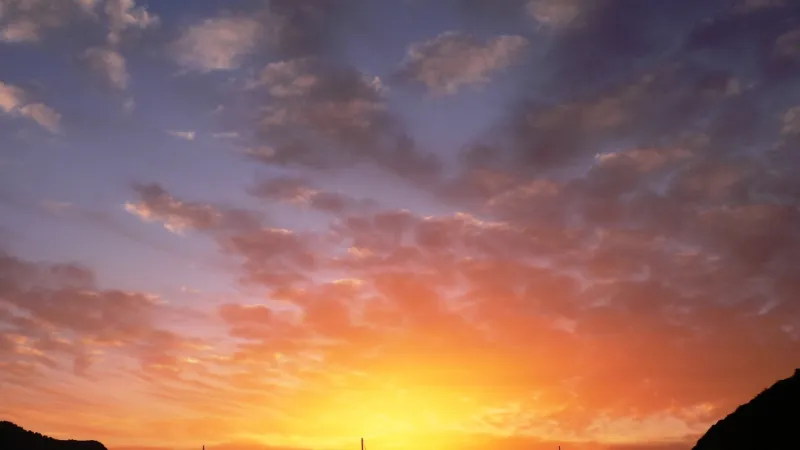
The guide pinpoints Ibiza, the renowned Spanish island, as a premier destination for experiencing truly unforgettable sunsets. Its western coast, particularly around Cala Comte and Cafe del Mar, transforms daily into a natural amphitheater where the sun dips below the horizon in a riot of colors, attracting global admirers seeking moments of serene beauty and vibrant energy. This perennial spectacle offers a unique interplay of light and atmosphere.
Further east, the volcanic Aeolian Islands in Italy provide a rare opportunity to observe the mystical Red Moon. This phenomenon, often associated with lunar eclipses or specific atmospheric conditions, bathes the moon in deep crimson hues, creating a mesmerizing display against the dark Mediterranean sky. Such events require clear skies and precise timing, making these islands an ideal, tranquil vantage point away from urban light pollution.
For those seeking the thrill of meteor showers, the guide recommends the high-altitude observatories and vast, unblemished skies of La Palma in the Canary Islands. Recognized as a Starlight Reserve, La Palma offers unparalleled clarity, particularly during the Perseid meteor shower in August or the Geminids in December. Its protected dark skies provide an optimal environment for witnessing shooting stars streak across the celestial vault with intense brilliance.
The stark, beautiful landscapes of the Scottish Highlands offer another unique perspective for observing the summer sky. While not traditionally famed for Mediterranean sunsets, the long twilight hours and vast, uninterrupted horizons provide excellent opportunities for appreciating noctilucent clouds or the faint glow of the Milky Way, especially in remote areas like the Cairngorms National Park. The crisp, clean air contributes to exceptional viewing conditions.
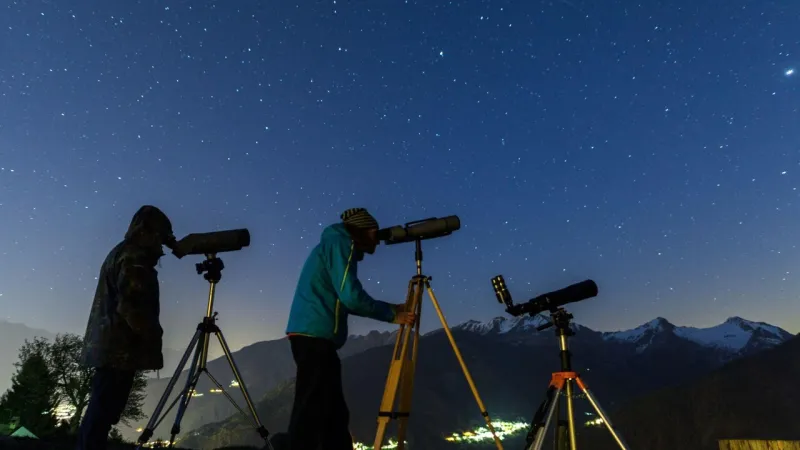
Completing the quintet of routes, the guide points to the pristine, dark-sky parks within the Dolomites, Italy. These alpine regions offer not only dramatic mountain backdrops but also some of Europe's lowest levels of light pollution. Visitors can immerse themselves in the quiet grandeur of the night, observing planetary alignments and distant galaxies with remarkable clarity, fostering a profound connection to the universe.
The growing interest in celestial tourism underscores a societal yearning for natural wonders and educational experiences beyond conventional sightseeing. These destinations offer more than just a view; they provide an immersive experience that marries natural beauty with astronomical observation, encouraging deeper appreciation for our planet and its position in the cosmos.
Travelers embarking on these celestial adventures are encouraged to prepare adequately. This includes checking precise astronomical calendars for specific event timings, monitoring local weather forecasts for optimal viewing conditions, and considering accommodation in designated dark-sky areas. Investing in a quality pair of binoculars or a telescope can further enhance the experience, bringing distant celestial bodies into sharper focus.
Local tourism boards and astronomy associations in these regions are increasingly collaborating to promote responsible stargazing. Efforts include light pollution awareness campaigns and guided night sky tours, ensuring that these pristine viewing conditions are preserved for future generations while enriching the visitor experience. Such initiatives highlight the delicate balance between tourism and environmental stewardship.
Ultimately, these five routes offer more than just a summer vacation; they present an invitation to witness the timeless drama unfolding above us. From the fiery farewell of an Ibizan sunset to the mysterious allure of a Red Moon over the Aeolian Sea, each destination promises a profound encounter with the natural world, reminding us of the vastness and beauty of the celestial realm that continues to inspire awe and wonder.