 Dorry Archiles
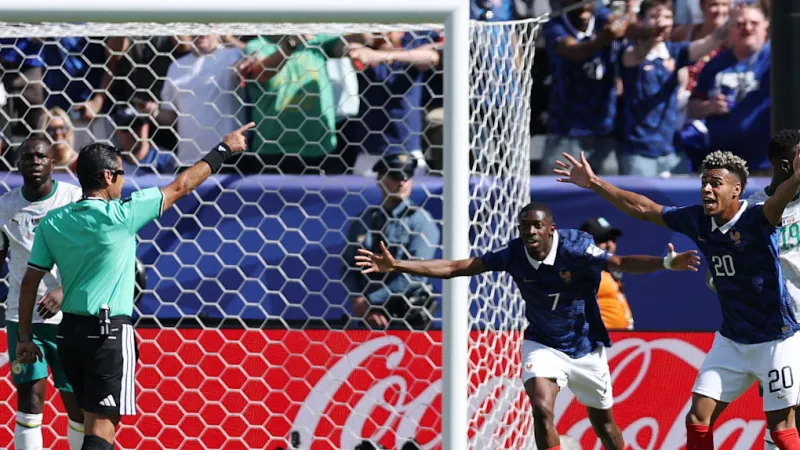
DOHA – German football luminary Thomas Müller launched scathing criticism at referee Alireza Faghani following a contentious VAR decision that denied France a crucial penalty during their triumphant World Cup opening match against Senegal, sparking intense debate over officiating standards and the technology’s application.
Müller, known for his candid assessments, expressed his outrage after France secured a narrow victory over a resilient Senegalese side. The incident occurred in a pivotal moment of the game, casting a shadow over what was otherwise a compelling display of athleticism and strategic play by both teams.
The specific flashpoint involved a challenge within the penalty area that French players and their coaching staff vehemently argued warranted a spot-kick. Despite the appeals, referee Faghani initially allowed play to continue, only to be prompted by the Video Assistant Referee (VAR) system for a review.
After a prolonged examination, the decision from the VAR booth was delivered with what many described as a curious ambiguity, ultimately confirming Faghani's initial call to deny France the penalty. This outcome left many viewers and analysts perplexed, intensifying scrutiny on the transparency and consistency of VAR interventions.
The denied penalty could have significantly altered the dynamic of the match, potentially providing France with a more comfortable lead against their formidable African opponents. For a detailed account of the match's other key moments, read about the Mbappe Masterclass That Propelled France Past Senegal.
Thomas Müller's strong sentiments reflect a growing frustration among players and fans concerning VAR's implementation, particularly in high-stakes World Cup fixtures. His comments underscore a broader conversation about human error versus technological precision in modern football.
Observers noted that Alireza Faghani, a highly regarded official with extensive international experience, appeared to struggle with maintaining a firm grip on the game's flow, particularly after the VAR intervention. This raised questions about the pressure referees face under the intense glare of global tournaments.
The incident is reminiscent of other contentious calls throughout World Cup history, where refereeing decisions have profoundly influenced tournament outcomes. The current debate now centers on whether VAR, intended to eliminate errors, is instead introducing new layers of controversy and confusion.
Beyond the immediate outcome of the match, Müller's remarks place added pressure on FIFA and its refereeing committee to clarify guidelines and improve communication protocols for VAR decisions. The integrity of the tournament hinges on consistent and transparent officiating.
French head coach Didier Deschamps, while diplomatic in his post-match comments, alluded to the difficulty of playing under such circumstances. His team's performance, nevertheless, showcased their determination to succeed despite the officiating challenges. The Senegal Keeper's Stuns France article highlights some of the dramatic saves that characterized the game.
The World Cup opener between France and Senegal was widely anticipated, representing the start of France's campaign to reclaim football's ultimate prize. Despite the controversy, France secured the crucial three points, setting a foundation for their tournament run.
This early tournament incident serves as a stark reminder that even with advanced technology, the human element in refereeing remains a significant factor, often becoming a focal point of post-match discussions and fan discourse.
As the World Cup progresses, all eyes will remain on the referees and the VAR system, with teams and fans hoping for greater clarity and fewer disputed decisions that detract from the beautiful game itself.